
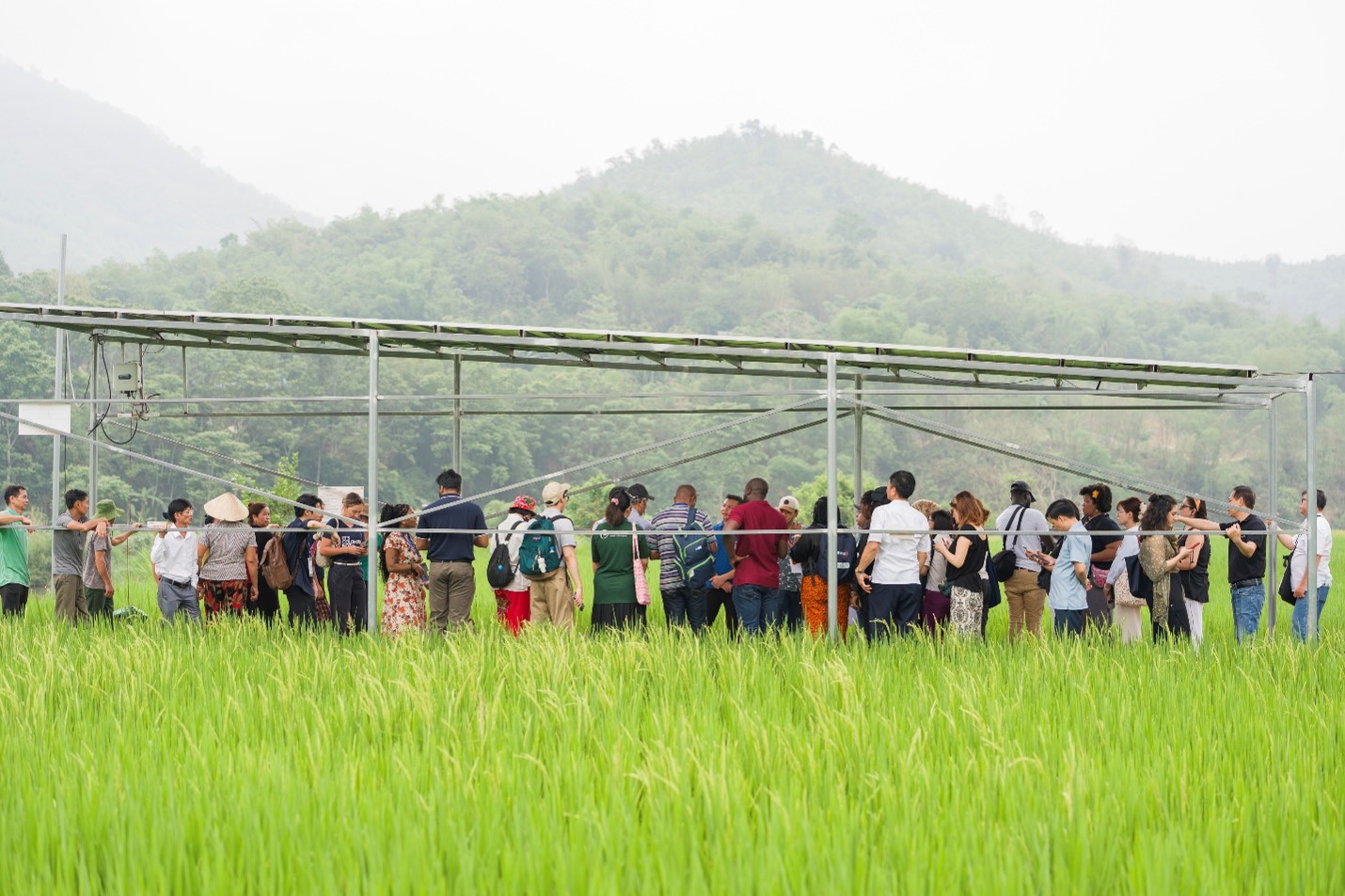
By Nazgol K – SUN CSN Secretariat In April 2026, SUN CSN and FHI 360 co-hosted a learning visit to Viet Nam for 14 civil society leaders from Bangladesh, Cambodia, Colombia, Côte d’Ivoire, Kyrgyzstan, Liberia, Malawi, Namibia, Nepal, Nigeria, Panama, South Sudan, Tanzania and Togo. The goal of the visit was to advance gender, nutrition, […]
ReadAll Women’s Nutrition news
Select any topics you are interested in to filter news articles.
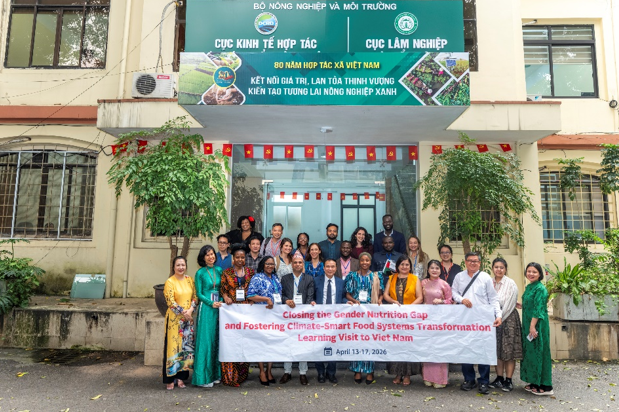
Learning from Vietnam: How Gender, Climate, and Nutrition Innovations Can Inspire South Sudan
A personal reflection from Ogen Rwot Denish, South Sudan In a world increasingly shaped by climate shocks, conflict, rising hunger, and inequality, the search for sustainable and locally led solutions has never been more urgent. For South Sudan a country facing one of the world’s most complex humanitarian and nutrition crises learning from countries that […]
Read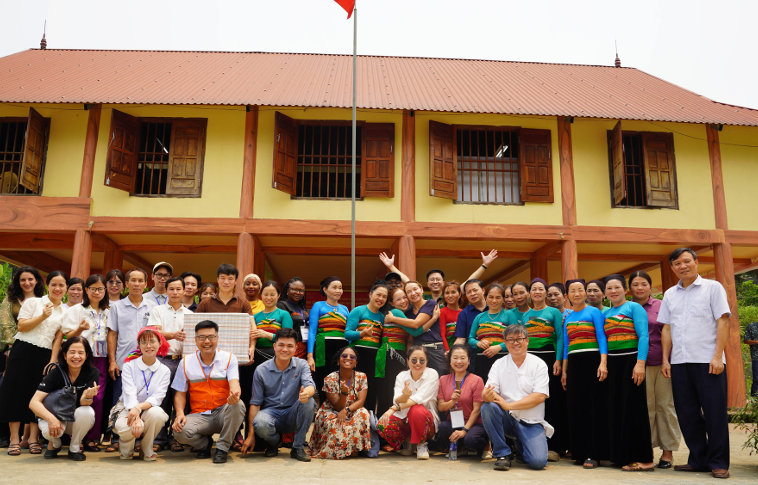
From Learning to Action: Practical Reflections from Viet Nam for Strengthening Nutrition Programmes in Namibia.
Lessons from Viet Nam: Reflections on Nutrition, Community Systems and Climate-Smart Food Systems by Carmen Letlhagoje Senior Nutritionist- NAFSAN
Read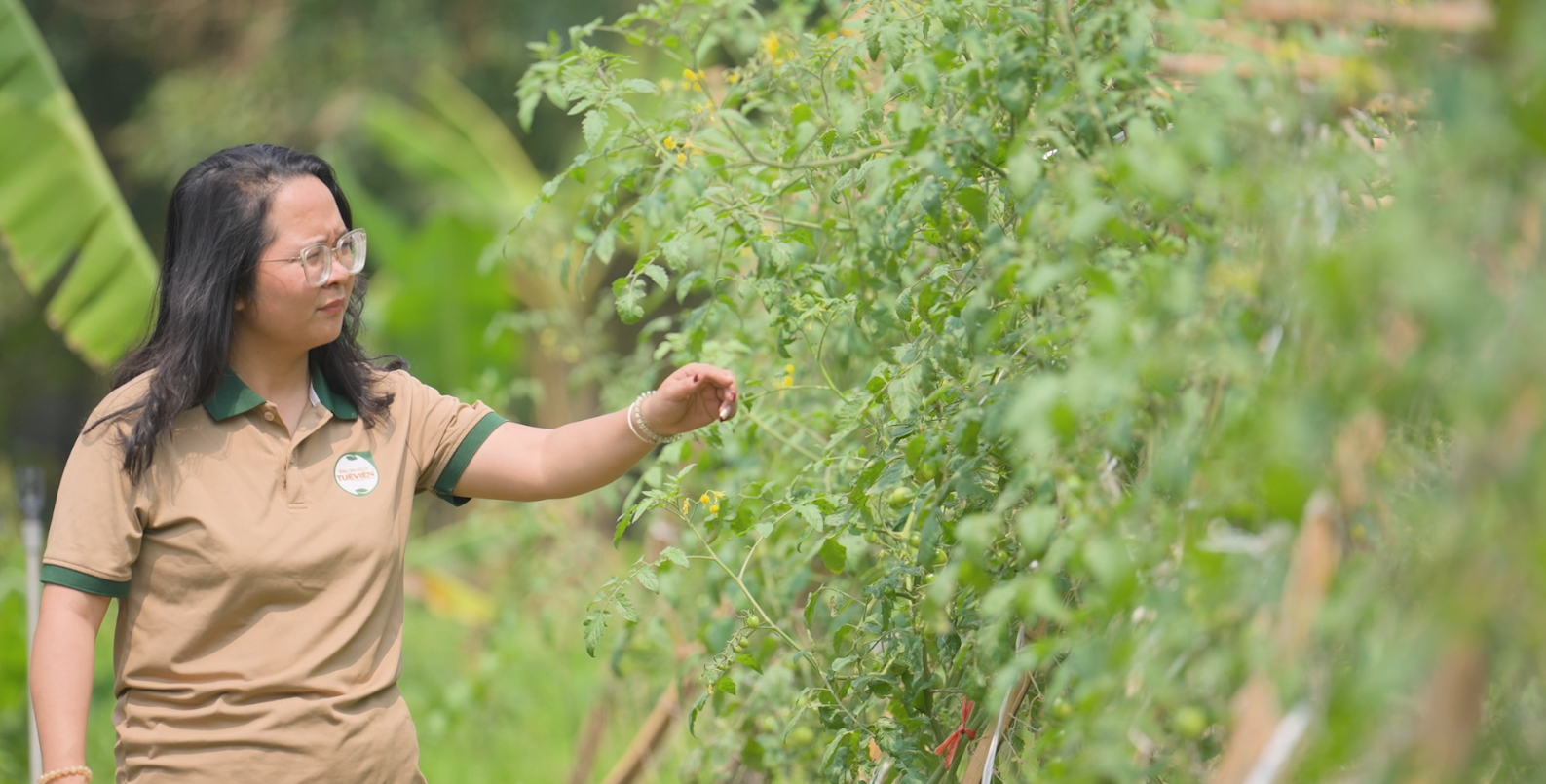
Closing the gender nutrition gap: lessons from Viet Nam
In Viet Nam, women play a central role in agriculture, food systems and community life. In many contexts, they are not only producers, but also decision-makers and drivers of change. Yet, despite this strong participation, gaps in nutrition, health and access to resources persist – particularly as climate shocks place increasing pressure on livelihoods and food systems. This video […]
Read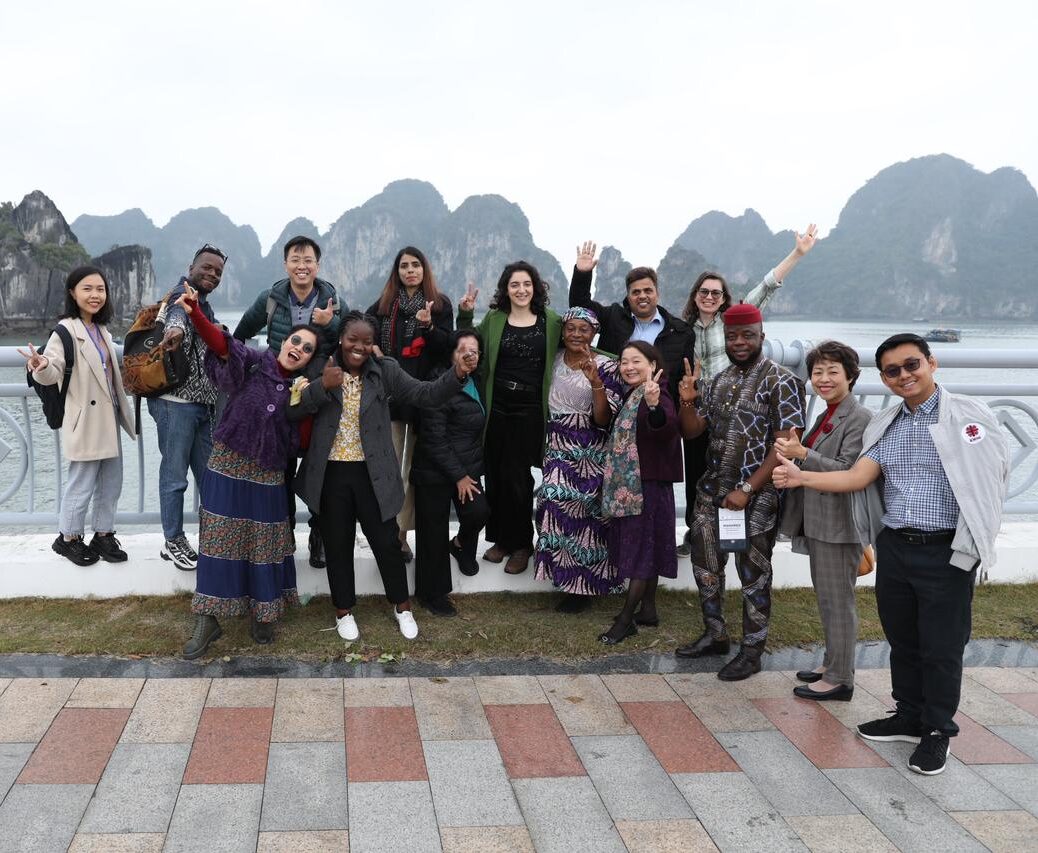
Navigating The Gender Nutrition Frontier
A Personal Reflection on a Training Experience in Vietnam by Kansiime Ruth Praise As I reflect on the transformative journey through “Closing the Gender Nutrition Gap” training organized by the Scaling Up Nutrition Civil Society Network (SUN CSN) in collaboration with Vietnam Civil Society Alliance (CSA), a spectrum of experiences, insights, and cultural immersions flood […]
Read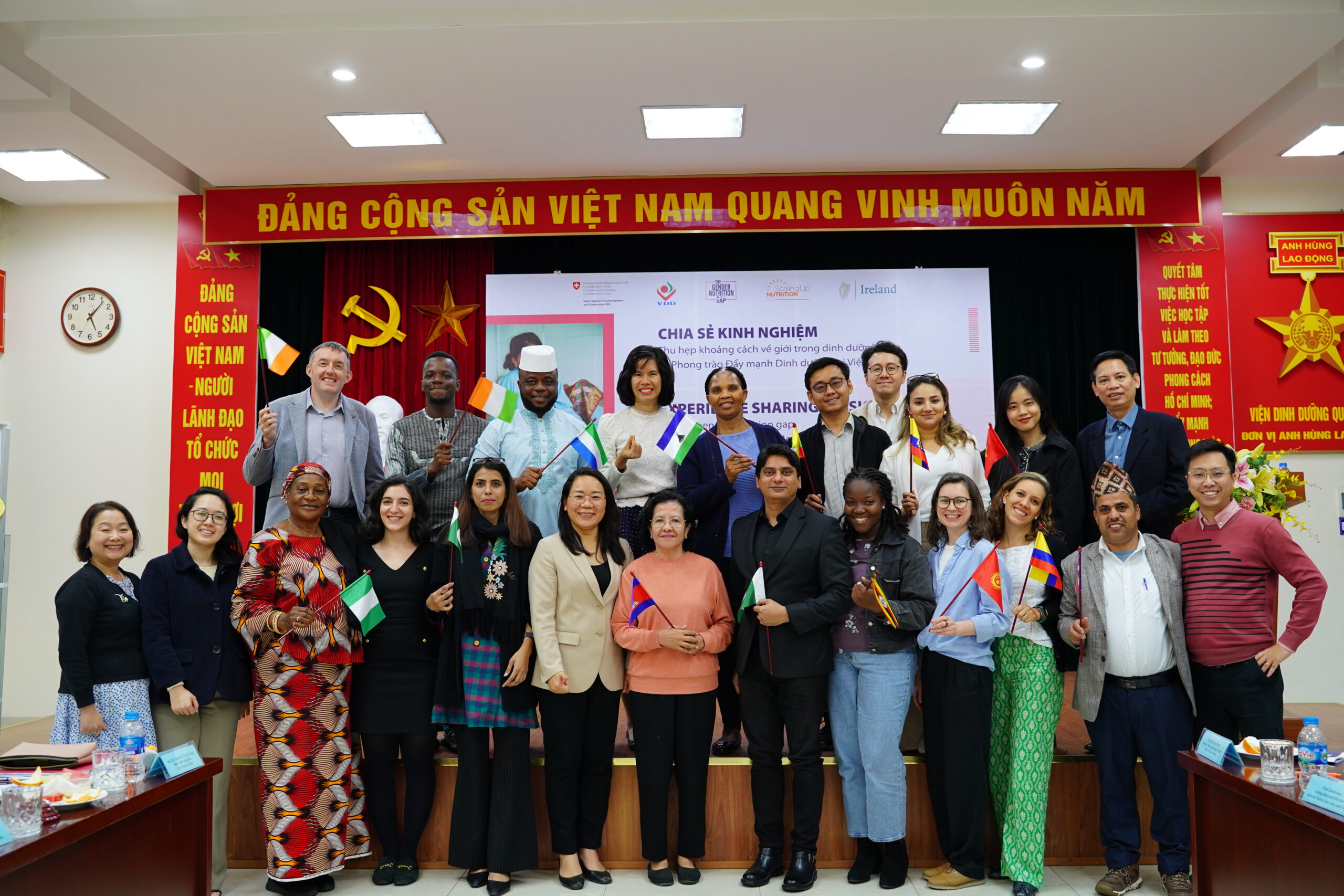
A Timely and Engaging Learning Experience:
A Pakistani Perspective by Kaleem Ullah
Read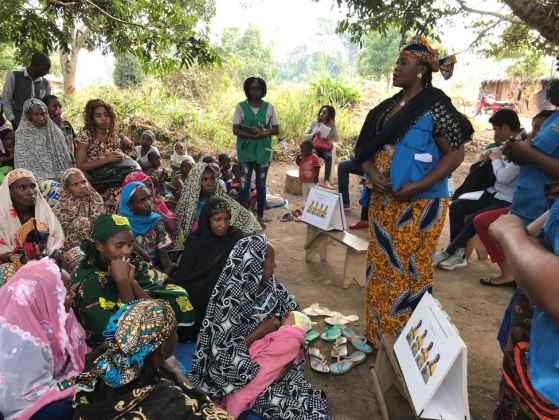
Empowering local voices at the Micronutrient Forum 6th Global Conference: A critical role in shaping the global agenda on nutrition resilience
By Alexandra Newlands, Head of the Scaling Up Nutrition Civil Society Network & Irshad Danish, Senior Advocacy Adviser at Nutrition International, and Chair of the Scaling Up Nutrition Civil Society Network With the contributions of Tanuja Rastogi, Director of Advocacy & Communications, Micronutrient Forum At the forefront of our journey towards a healthier and more […]
Read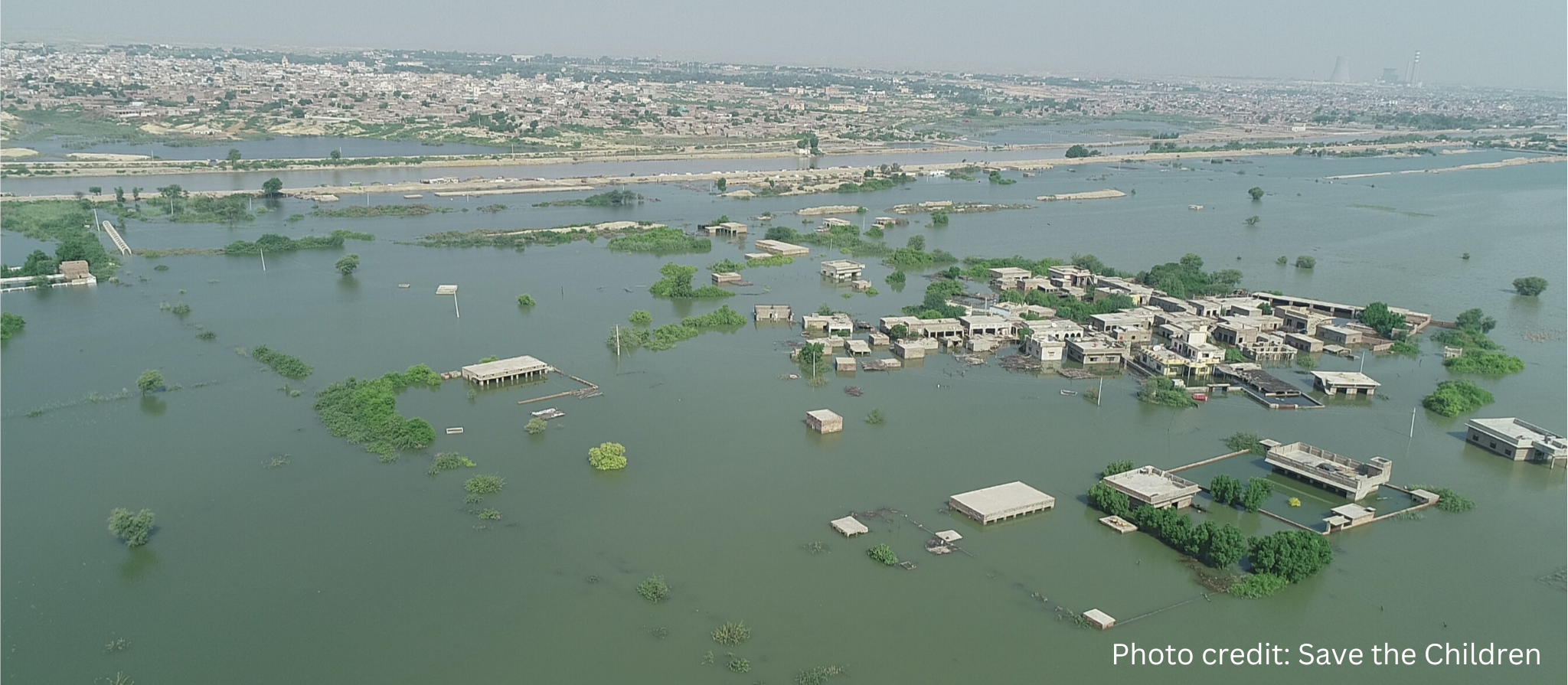
Flooding in Pakistan: Fears for Nutrition and Food Security
Flooding in Pakistan: Fears for Nutrition and Food Security Devastating flooding in Pakistan has swept away crops and stockpiles and left large areas of farmland under water, deteriorating the precarious food and nutrition security in the country. The communities who were already living on the edge now need to cope with this sudden shock of […]
Read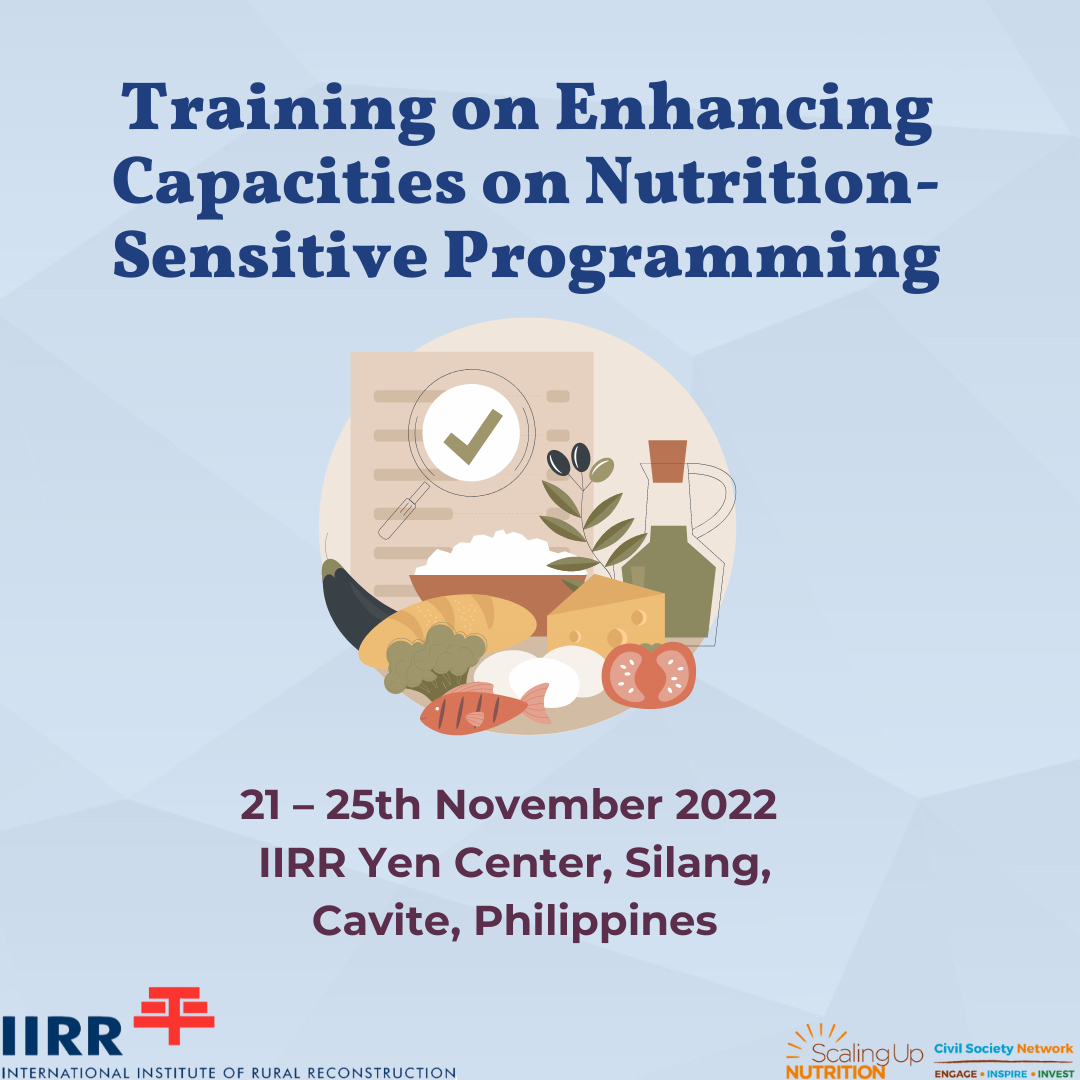
Training on Enhancing Capacities on Nutrition-Sensitive Programming
November 15-16th 2022 (virtual) 21 – 25th November 2022 (in-person) IIRR Yen Center, Silang, Cavite, Philippines Application deadline: 27th September Malnutrition and hunger continue to afflict children and adults alike across the world, affecting their growth, development, and productivity. If unaddressed, undernutrition has serious short and long-term consequences for a child’s development. Access to, and […]
Read
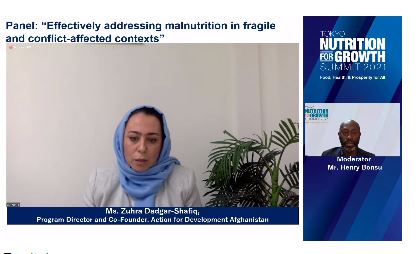
International Women’s Day: Women in Food Systems with Zuhra Dadgar-Shafiq
Do you feel that food systems support you as a woman? Women have a prominent role all across the value chain of the food system, for instance as farmers and food producers, merchandisers, educators, cooks, servers, and leaders of food organizations. Food systems enhance women participation and benefits they receive through improved access to resources […]
ReadSubmit news article
If you’re part of a SUN Civil Society Network and want to share a news article, submit it by filling in the contact form and selecting “Submit a news article in “Reason for contact” so that we can review and publish it.
Do you feel that food systems support you as a woman?
Women have a prominent role all across the value chain of the food system, for instance as farmers and food producers, merchandisers, educators, cooks, servers, and leaders of food organizations. Food systems enhance women participation and benefits they receive through improved access to resources and innovative technologies and practices. Food systems empower women, improve their nutritional status, and helps them in their contribution to the household’s financial security. Women’s roles are enhanced, for instance, by increasing their involvement in specific roles or stages of the value chain, such as processing or marketing, and expanding opportunities for women. When women are able to engage more directly or more extensively in these activities, they can increase their contributions to household incomes and resources. Moreover, there is a growing recognition that transforming food systems for inclusion means not just ensuring women’s participation and access to benefits but also their empowerment to make strategic life choices (1).
How do you think global food systems could be improved?
In addition to make global food systems more inclusive to ensure maximum benefits to the society and to improved nutritional status or women and their households, global food systems must be sustainable. It is important to invest in practices that make food systems resilient. Unsustainable practices in our food systems threaten both human and planetary health, with hunger and malnutrition rising, poor diets are the leading cause of poor health worldwide. With a growing population, changing diets and high levels of food loss and waste, food production is exerting increasing pressure on the earth, contributing to climate change and biodiversity loss. One strategy to improve food systems can be through the reduction of food waste, by reviewing food and agricultural policies to ensure that programs and support systems are inclusive of a diverse range of food and agricultural operations across different scales, production practices and market channels, particularly those that promote sustainable practices (2). In addition, establishing supports and training opportunities for farmers and fishers to transition to more agro-ecology production regimes, including significant new support for new entrants and public funding for farmer-led R&D in organics and knowledge transfer.
In summary global food systems can be improved through certain strategies such as:
- Ensure women are including in several aspects of the food system
- Promote sustainable practices such as reduction in food waste, safe and sustainable agricultural practices
- Capacity building and training for farmers
- Protecting farmers livelihoods
- Increase political commitment and finance to fight hunger
- Ensure access to agricultural technologies in low and middle income countries
(1) Quisumbing, A., Heckert, J., Faas, S. et al. Women’s empowerment and gender equality in agricultural value chains: evidence from four countries in Asia and Africa. Food Sec. 13, 1101–1124 (2021). https://doi.org/10.1007/s12571-021-01193-5
(2) https://foodsecurecanada.org/policy-advocacy/five-big-ideas-better-food-system
