
A personal reflection from Ogen Rwot Denish, South Sudan
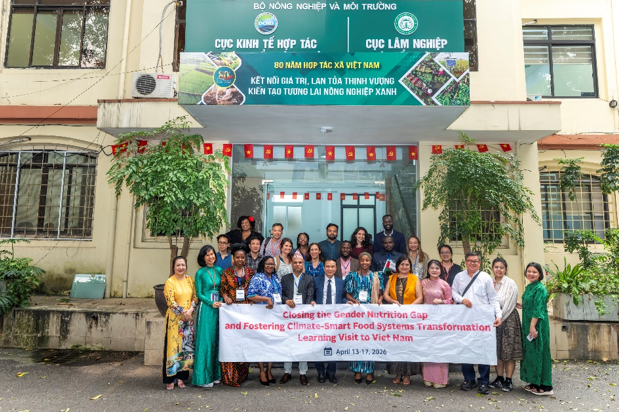
In a world increasingly shaped by climate shocks, conflict, rising hunger, and inequality, the search for sustainable and locally led solutions has never been more urgent. For South Sudan a country facing one of the world’s most complex humanitarian and nutrition crises learning from countries that have successfully transformed their food and nutrition systems offers both hope and practical direction.
Representing the South Sudan SUN Civil Society Alliance (SUN CSA), Action Against Hunger Advocacy and Communication Lead, Ogen Rwot Denish, joined a global exchange learning visit in Vietnam focused on the intersection of gender, nutrition, and climate resilience. The exchange convened SUN Movement networks and civil society representatives from more than 20 countries, creating a powerful platform for peer learning, collaboration, and shared reflection on innovative approaches to ending hunger and malnutrition.
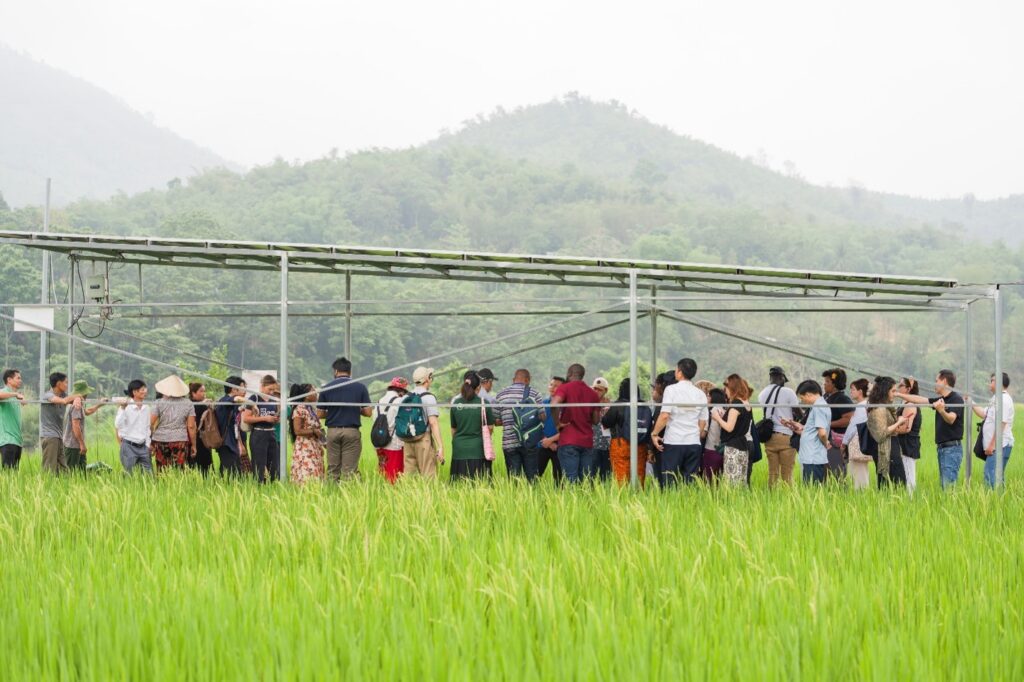
The visit provided participants with a firsthand experience of Vietnam’s remarkable progress in building resilient and nutrition-sensitive systems through coordinated action across agriculture, health, climate adaptation, tourism, and women’s economic empowerment. What emerged was a compelling example of how long-term political commitment, strong local leadership, and multisectoral coordination can transform communities and strengthen national resilience.
One of the most inspiring moments of the exchange was the visit to the Pu Luong communities, where women-led economic initiatives are reshaping livelihoods and redefining rural development. Women are not only participating in local economies but are actively leading community enterprises that connect sustainable agriculture, eco-tourism, nutrition, and household income generation. The integrated involvement of both women and men within a shared agricultural ecosystem highlighted the transformative power of inclusive participation in strengthening household resilience and community development.
Participants also observed how communities maximize limited land through integrated farming systems, climate-smart agriculture, and organic food production. Farmers are increasingly using locally produced organic fertilizers and environmentally friendly pesticides, reducing environmental degradation while improving food quality, sustainability, and resilience to climate shocks. These approaches are helping communities strengthen food systems while protecting natural resources for future generations. Equally striking was Vietnam’s highly coordinated governance system. From national ministries to local authorities, coordination mechanisms function with remarkable efficiency and clarity. Strong collaboration between ministries such as health, agriculture, education, and local governance has enabled more coherent policy implementation and data-driven decision-making across sectors.
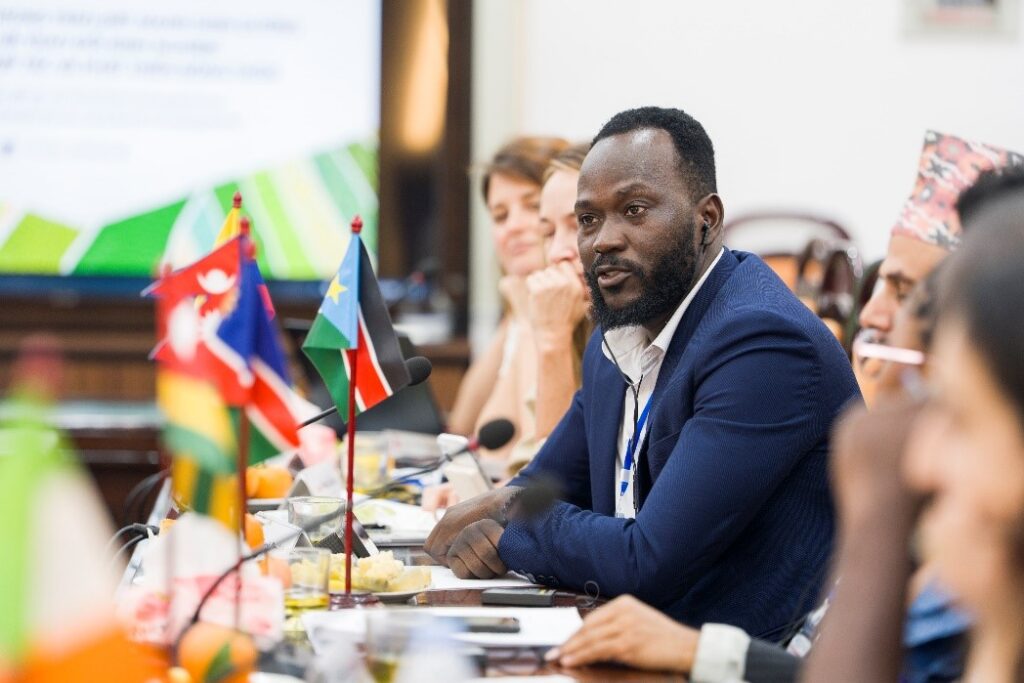
A senior official from Vietnam’s Ministry of Health reflected on the country’s transformation, noting that a major turning point came with the ratification of Vietnam’s National Nutrition Strategy 2011–2020. The strategy recognized nutrition as a shared national responsibility requiring leadership across government, communities, civil society, and development partners. Its guiding principles emphasize that balanced nutrition is fundamental to human development, that nutrition outcomes require multisectoral coordination, and that vulnerable populations — including mothers, children, poor households, and marginalized communities — must remain at the center of national investment and policy priorities.
More than a decade later, the results are visible. Vietnam has significantly reduced malnutrition rates while strengthening resilient food systems, expanding climate-smart agriculture, increasing agricultural mechanization, and improving local food markets. The widespread availability of organic food products and sustainable farming practices further demonstrates the country’s commitment to long-term food system transformation.
Beyond the technical lessons, the exchange showcased the power of hospitality, openness, and peer-to-peer collaboration. Participants engaged in honest conversations about challenges, opportunities, and practical solutions relevant to their respective country’s contexts. For South Sudan, where communities continue to face the combined impacts of conflict, displacement, flooding, climate change, and hunger, the lessons from Vietnam are both timely and deeply relevant.
The exchange reinforced several critical priorities for South Sudan:
- Integrating nutrition into agriculture, livelihoods, and climate adaptation initiatives.
- Strengthening coordination among government ministries and stakeholders.
- Investing in women- and youth-led economic empowerment initiatives.
- Promoting climate-resilient and locally led food systems.
- Expanding evidence-based and community-driven programming.
- Strengthening long-term systems and resilience rather than relying solely on emergency responses
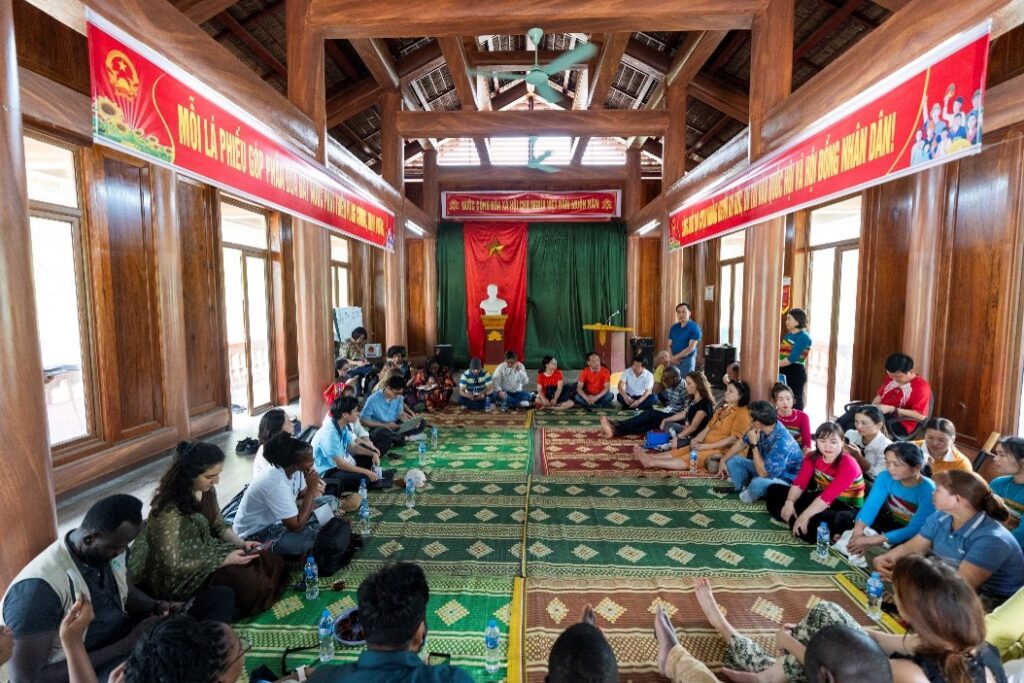
Importantly, the South Sudan SUN CSA will continue participating in the emerging global Community of Practice established through the exchange initiative. This innovative platform will support continuous peer learning, technical exchange, collaboration, and adaptation of best practices among participating countries, ensuring that lessons from one context can help inform progress in another.
As Action Against Hunger and the South Sudan SUN CSA continue advocating for stronger nutrition systems, climate resilience, and sustainable development, the Vietnam exchange stands as a powerful reminder that transformative change is possible when governments, communities, civil society, and development partners work together around a shared vision.
At a time when South Sudan’s humanitarian crisis risks becoming increasingly forgotten on the global stage, experiences like these demonstrate that investment in locally led solutions, women’s leadership, climate-smart agriculture, and coordinated systems can create lasting pathways toward resilience, dignity, and food security.
The learning visit was more than an exchange of ideas — it was a renewed call for collective action, solidarity, and long-term commitment to building a future free from hunger and malnutrition.
