
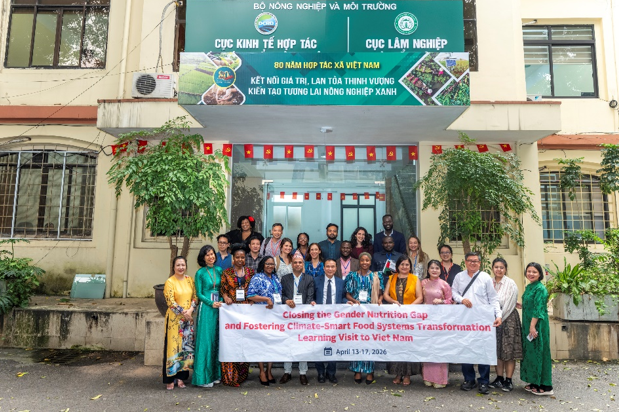
A personal reflection from Ogen Rwot Denish, South Sudan In a world increasingly shaped by climate shocks, conflict, rising hunger, and inequality, the search for sustainable and locally led solutions has never been more urgent. For South Sudan a country facing one of the world’s most complex humanitarian and nutrition crises learning from countries that […]
LireToutes les infos Women’s Nutrition
Sélectionnez les sujets qui vous intéressent pour filtrer les articles.
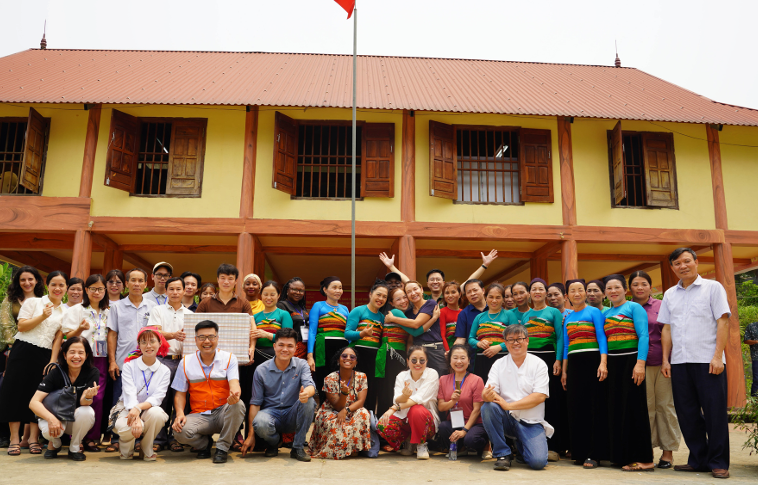
From Learning to Action: Practical Reflections from Viet Nam for Strengthening Nutrition Programmes in Namibia.
Lessons from Viet Nam: Reflections on Nutrition, Community Systems and Climate-Smart Food Systems by Carmen Letlhagoje Senior Nutritionist- NAFSAN
Lire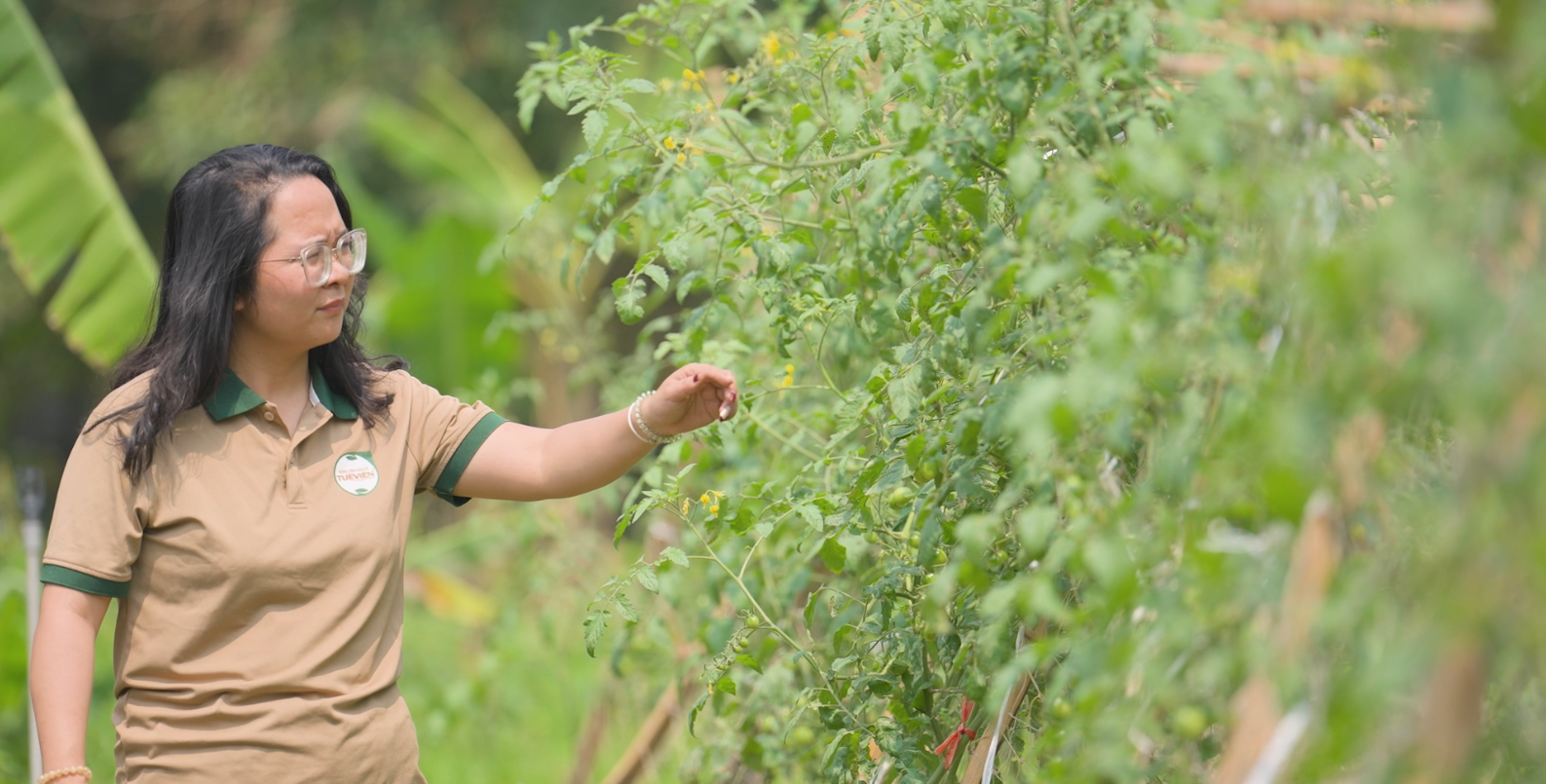
Closing the gender nutrition gap: lessons from Viet Nam
In Viet Nam, women play a central role in agriculture, food systems and community life. In many contexts, they are not only producers, but also decision-makers and drivers of change. Yet, despite this strong participation, gaps in nutrition, health and access to resources persist – particularly as climate shocks place increasing pressure on livelihoods and food systems. This video […]
Lire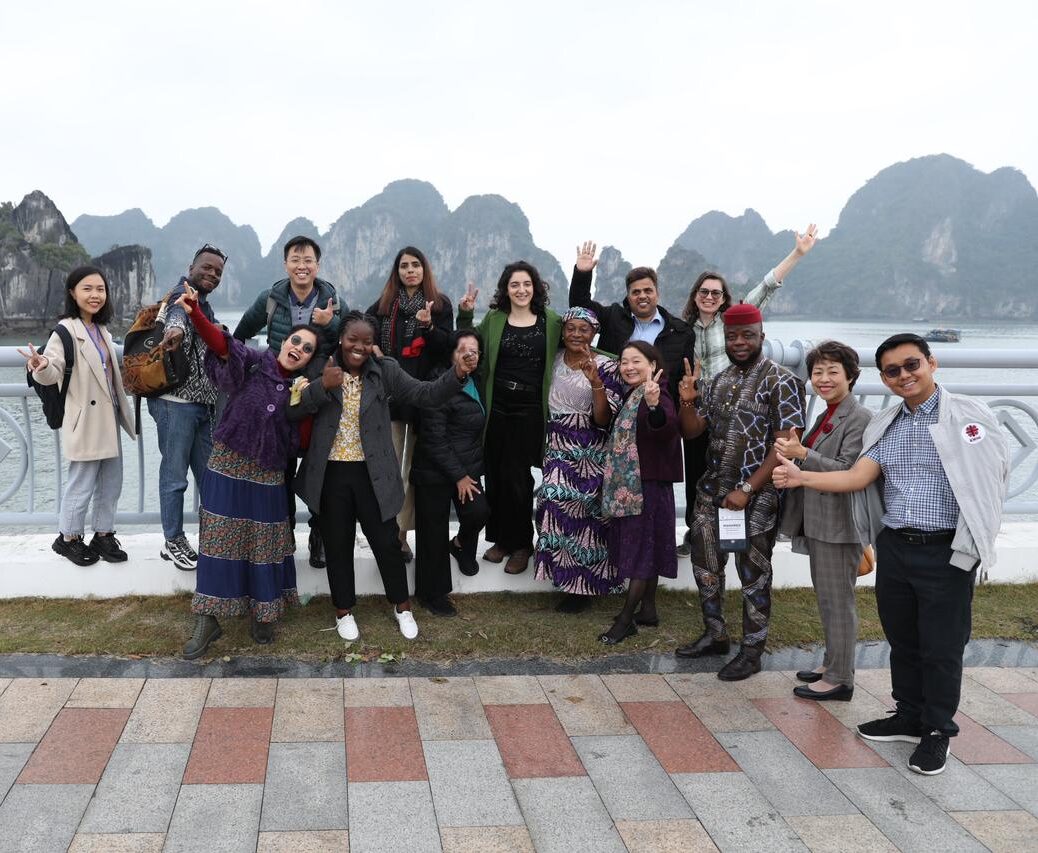
Navigating The Gender Nutrition Frontier
A Personal Reflection on a Training Experience in Vietnam by Kansiime Ruth Praise As I reflect on the transformative journey through « Closing the Gender Nutrition Gap » training organized by the Scaling Up Nutrition Civil Society Network (SUN CSN) in collaboration with Vietnam Civil Society Alliance (CSA), a spectrum of experiences, insights, and cultural immersions flood […]
Lire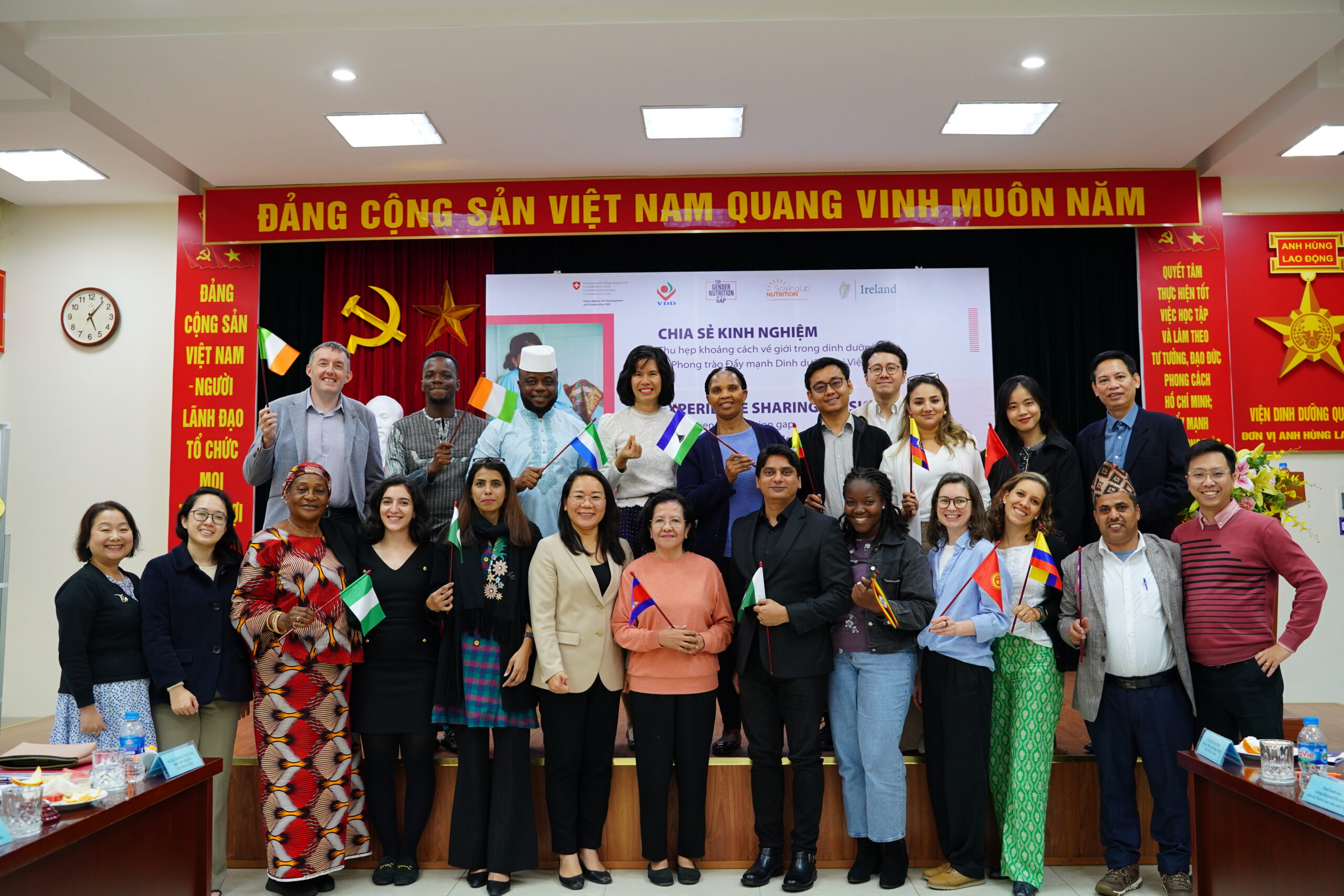
A Timely and Engaging Learning Experience:
A Pakistani Perspective by Kaleem Ullah
Lire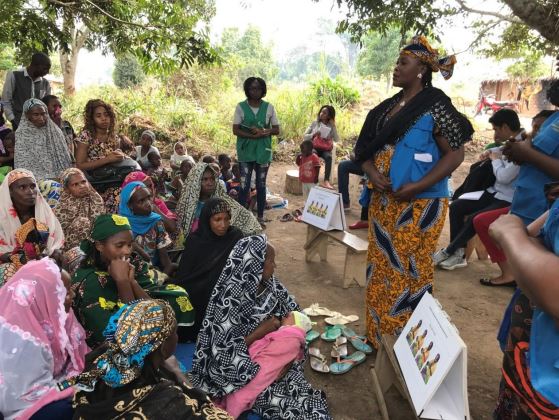
Empowering local voices at the Micronutrient Forum 6th Global Conference: A critical role in shaping the global agenda on nutrition resilience
By Alexandra Newlands, Head of the Scaling Up Nutrition Civil Society Network & Irshad Danish, Senior Advocacy Adviser at Nutrition International, and Chair of the Scaling Up Nutrition Civil Society Network With the contributions of Tanuja Rastogi, Director of Advocacy & Communications, Micronutrient Forum At the forefront of our journey towards a healthier and more […]
Lire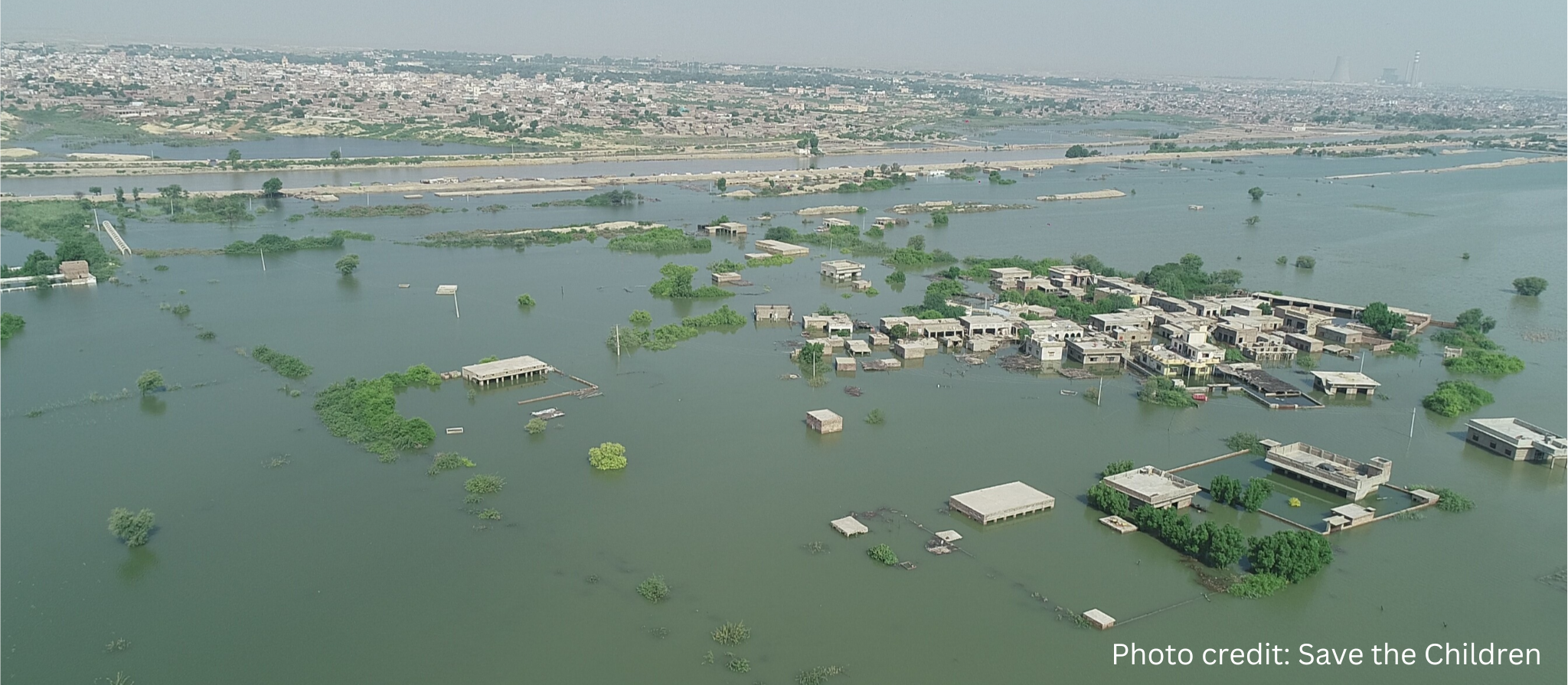
Flooding in Pakistan: Fears for Nutrition and Food Security
Flooding in Pakistan: Fears for Nutrition and Food Security Devastating flooding in Pakistan has swept away crops and stockpiles and left large areas of farmland under water, deteriorating the precarious food and nutrition security in the country. The communities who were already living on the edge now need to cope with this sudden shock of […]
Lire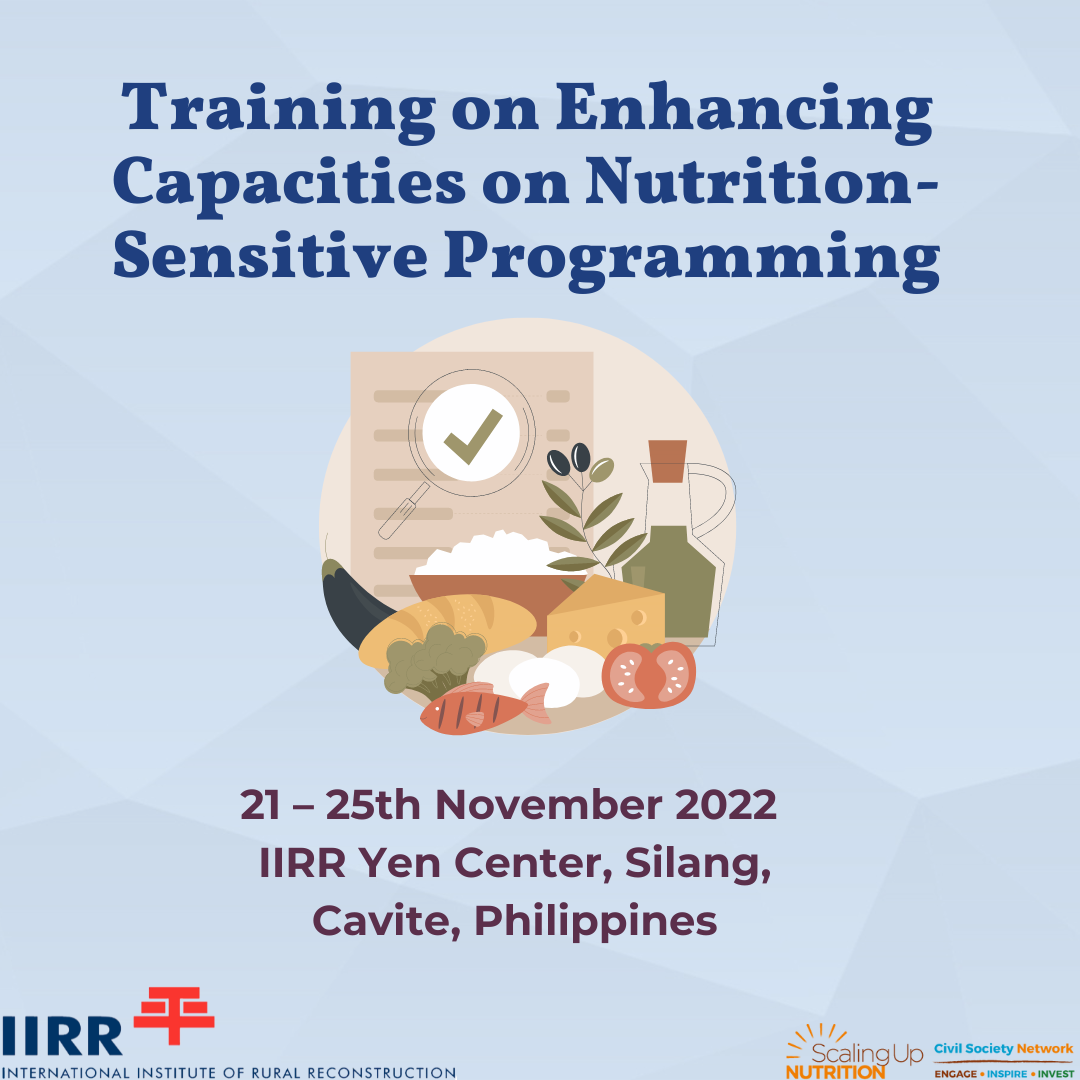
Training on Enhancing Capacities on Nutrition-Sensitive Programming
November 15-16th 2022 (virtual) 21 – 25th November 2022 (in-person) IIRR Yen Center, Silang, Cavite, Philippines Application deadline: 27th September Malnutrition and hunger continue to afflict children and adults alike across the world, affecting their growth, development, and productivity. If unaddressed, undernutrition has serious short and long-term consequences for a child’s development. Access to, and […]
Lire
International Women’s Day: Women in Food Systems with Zuhra Dadgar-Shafiq
Do you feel that food systems support you as a woman? Women have a prominent role all across the value chain of the food system, for instance as farmers and food producers, merchandisers, educators, cooks, servers, and leaders of food organizations. Food systems enhance women participation and benefits they receive through improved access to resources […]
LireInternational Women’s Day: Nov Nouket talks Food Systems and Food Security in Cambodia
First of all, I would like to introduce myself, my name is Nov Nouket, I am coordinator of the People Centered Feeding Systems project by IIRR-Cambodia. 2014, IIRR started a big project in Kandal province, Cambodia. This project was financed by IIRR Newman’ Own Foundation (NOF) and Latter-Day Saints. Since then, IIRR has worked with […]
LireEnvoyer un article
Si vous êtes membre d’un Réseau de la société civile SUN et que vous souhaitez partager un article, envoyez-le en remplissant le formulaire de contact et en sélectionnant « Envoyer un article » dans la section « Motif du contact » afin que nous puissions le lire et le publier.
First of all, I would like to introduce myself, my name is Nov Nouket, I am coordinator of the People Centered Feeding Systems project by IIRR-Cambodia.
2014, IIRR started a big project in Kandal province, Cambodia. This project was financed by IIRR Newman’ Own Foundation (NOF) and Latter-Day Saints. Since then, IIRR has worked with eight local schools (seven primary schools, and one junior high school). Specifically, we have worked closely with teachers, village chiefs, commune councils, district agriculture officers, district officer of education, youth and sport. 2,318 children, 80 parents, and 74 teachers educated on climate smart agriculture, bio-Intensive gardening, and hand washing.
Recently, IIRR has been working with « People-Centered Feed Systems: Fostering Human Rights-based Approaches » applying a human rights-based approach to food security and nutrition. The project aims to identify, characterize, and address constraints, and lack of accountability of governments that small – scale farmers and the rural population face from (a) participating in decisions that inhibit them from realizing their rights to food security, (b) adapting to and mitigating against climate change, and (c) preserving the agro-biodiversity fundamental to their livelihoods on both the global and country levels. The goal of the project is to contribute to improving the food security and wellbeing of smallholders and other rural populations in line with the SDGs.
I think that the women in Cambodia do not experience equality in food security and healthy diets, especially the women who are living in rural areas. Women are likely to take on additional economic roles within the household and community, while still having unequal access to productive assets and resources. The result is that the often suffer the same, or even increased, work burden, but receive lower incomes. In cases of complete asset depletion and extreme food shortage, women and girls are at risk of adopting negative coping mechanisms such as early and forced marriages or pulling girls out of school.
To improve the global food systems, we should be focusing on improving the quality of nutritious foods, ensuring food safety and quality measures are implemented, and empowering women by investing in labour-saving technology for work.
