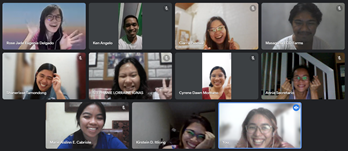
Food and Nutrition Youth Network (FNYN) Philippines Launched By: Rose Jade Eugenie Delgado SUN Youth Leader for Nutrition & FNYN Philippines Convenor In the recipe of shaping a more sustainable food system, we need: a cup of policy changes by governments, a pinch of investment and innovation from businesses and the private sector, a dash of advocacy from Civil Society Organizations, a […]
ReadAll Advocacy news
Select any topics you are interested in to filter news articles.

The Future of Nutrition: Accountability towards 2030
Almost 10 years after the first Nutrition For Growth Summit, we are still nowhere near meeting the targets laid out for 2025. Rates of stunting, wasting and obesity are still on the rise, while fragile and conflict-affected famines have been forgotten. Add on to that a global pandemic and the exponential number of climate-related disasters, […]
Read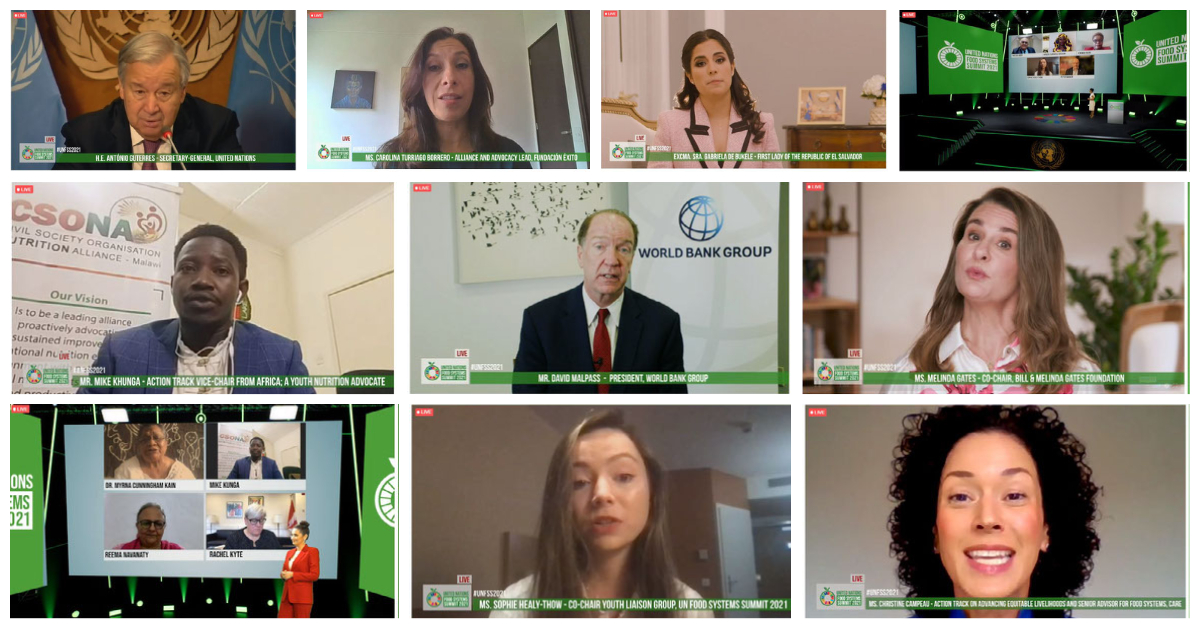
Climate change takes centre stage at the UN Food Systems Summit
More than 150 countries and key stakeholders came together yesterday to commit to transforming food systems, combatting biodiversity loss and tackling global hunger. The first ever United Nations Food Systems Summit (FSS) brought together world leaders, members of civil society, youth activists, and representatives from indigenous populations along with donors, academics, and members of the private sector […]
Read
A SUN Movement Call to Action for Nutrition ahead of the UN Food Systems Summit 2021
A multi-sectoral and multi-stakeholder approach to nutrition must be front and centre in food systems transformations *Originally published on the Scaling Up Nutrition Movement website.* The United Nations Food Systems Summit (UNFSS) in September was called for by the UN Secretary General in recognition that current food systems are failing people and the planet alike. […]
Read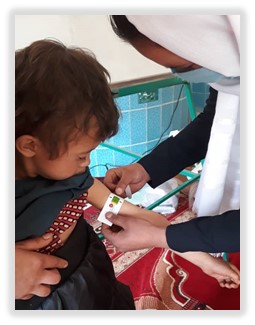
Message of solidarity with the people of Afghanistan
At the Scaling Up Nutrition Civil Society Network we are deeply concerned with the news from Afghanistan and the worrying reports of severe hunger crisis due to extreme drought. Even before the Taliban advancement, Afghanistan had one of the world’s highest rates of stunting in children under-5 years old; 40.9% are stunted and 9.5% are […]
ReadWorld Breastfeeding Week: Kyrgyzstan are on a mission to protect breastfeeding
In 2019, the Ministry of Health in Kyrgyzstan created a working group to revise the Law “On the Protection of Breastfeeding”, the working group included representatives of CSA SUN Kyrgyzstan, who contributed to the development of proposals for the draft of the Law. In the same year, UNICEF arranged a visit from David Clark, a […]
Read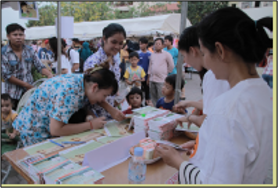
World Breastfeeding Week: SUN CSA Cambodia investigators violators of the code
In Cambodia, the code for producers of breast milk substitutes was put in place in 2005. However, for the next decade there was little to no enforcement and when surveyed, only 27% of officials actually knew the details of the code. Despite widespread violations, there was no reporting and no enforcement recognition in place. To combat these […]
Read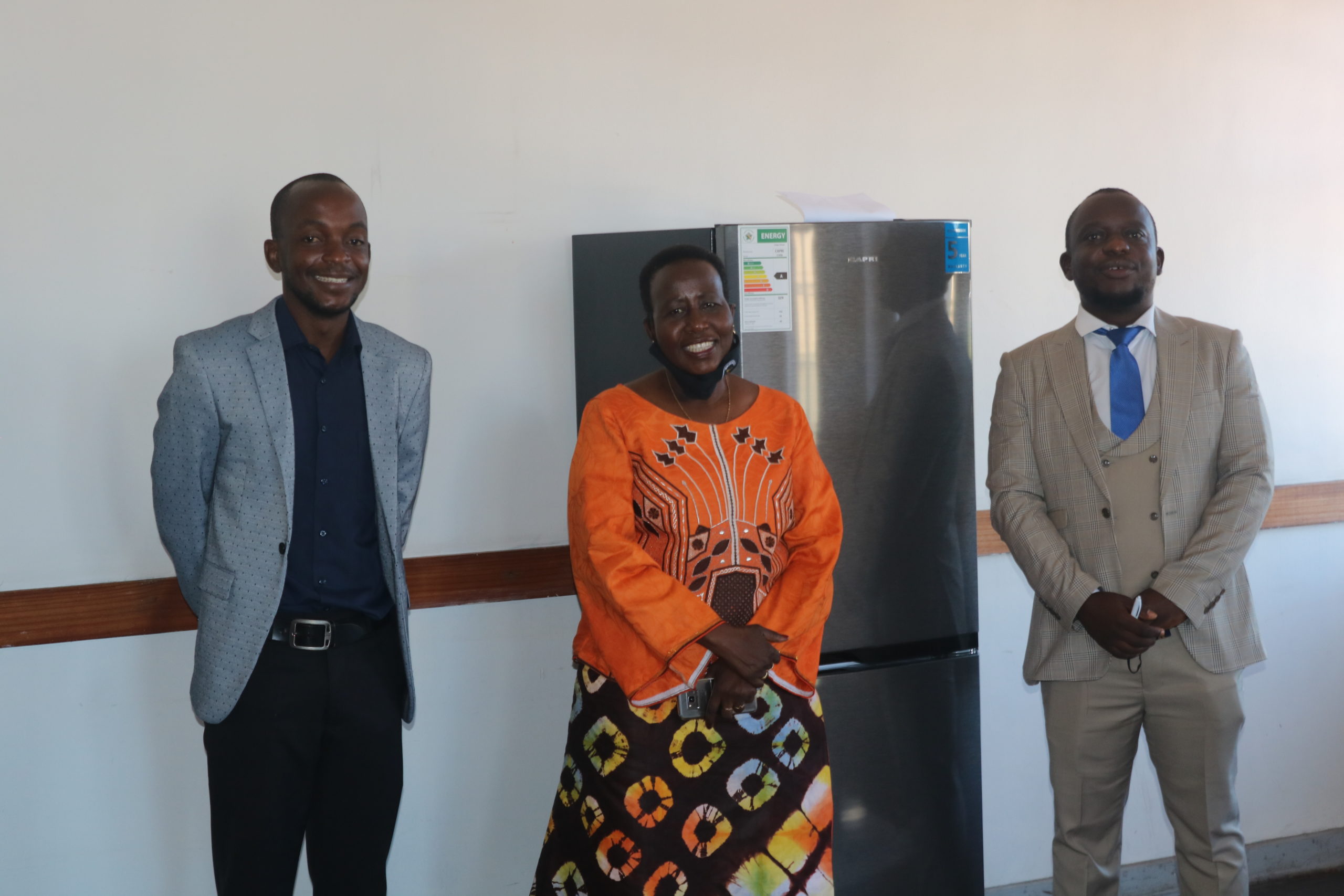
World Breastfeeding Week 2021: Zimbabwe changes Parliament for the better
With more women parliamentarians than ever before, it is crucial that facilities are available for women to adequately nourish their child during its first 1000 days. In Zimbabwe, Parliamentary Portfolio Committee on Health and Child Care chairperson Dr Ruth Labode said “We now have more young female legislators in Parliament who have children and are breastfeeding.” It […]
Read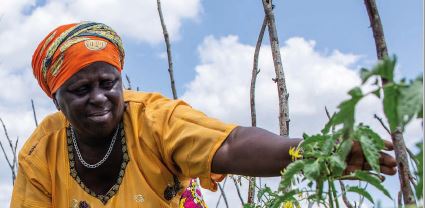
The SUN Civil Society Network launches its new 5-year strategy!
Why do we need a new CSN strategy? The Civil Society Network 3.0 strategy (2021-2025) constitutes an essential guide to rally all civil society members’ collective efforts behind a strong mission and vision. The CSN 3.0 strategy was designed for the Network by the Network, in alignment with the overall SUN Movement 3.0 strategy. As such, the […]
Read
SABER, SER, HACER: Encuentro de Interaprendizaje reunió líderes del Movimiento SUN de Latinoamérica y El Caribe
El Primer Encuentro de Interaprendizaje “Escuchando la voz de la sociedad civil en Latinoamérica y el Caribe”, de las alianzas de la sociedad civil que forman parte del Scaling Up Nutrition (Movimiento SUN), celebrado en diciembre 2020 y enero 2021, permitió que líderes de más de 10 países compartieran sus experiencias exitosas en la lucha […]
ReadSubmit news article
If you’re part of a SUN Civil Society Network and want to share a news article, submit it by filling in the contact form and selecting “Submit a news article in “Reason for contact” so that we can review and publish it.
El Primer Encuentro de Interaprendizaje “Escuchando la voz de la sociedad civil en Latinoamérica y el Caribe”, de las alianzas de la sociedad civil que forman parte del Scaling Up Nutrition (Movimiento SUN), celebrado en diciembre 2020 y enero 2021, permitió que líderes de más de 10 países compartieran sus experiencias exitosas en la lucha contra la malnutrición.
La actividad, que se realizó en la plataforma Zoom, tuvo dos bloques el primero se desarrolló el 9, 11 y 14 de diciembre del 2020, con el tema “Incidencia Política en Nutrición”, y el segundo el 13, 15 y 18 de enero del 2021, con el tema “Trabajo multisectorial y multiactoral en temas a favor de la nutrición”. El invitado especial fue Malawi, país del sureste africano.El encuentro tuvo como objetivo compartir las experiencias exitosas de los países en favor de la nutrición y a partir de allí plantear hojas de ruta regionales, nacionales y locales que puedan ser desarrolladas y adaptadas a los contextos particulares de cada país, para ello se utilizó la metodología de aprendizaje adaptada al “saber-ser-hacer”.
De esta manera se fortalece la Red LAC-SUN, presentando experiencias exitosas en Colombia, Malawi, Perú, Costa Rica, El Salvador y Guatemala, que fueron analizadas desde la visión de los Estados y de la sociedad civil.
El encuentro fue inaugurado Marilú Martins, Directora Nacional de CARE-Perú, quien precisó que su realización fue uno de los acuerdos del encuentro mundial del Movimiento SUN celebrado el 2019 en Nepal y que debido a la pandemia del covid-19 tuvo que replantearse para desarrollarse de manera virtual.
En la cita inaugural participó Gerda Verburg, Subsecretaria General de las Naciones Unidas y Coordinadora del Movimiento SUN y Christopher Twiss, Coordinador de la Red de la Sociedad Civil del Movimiento SUN.
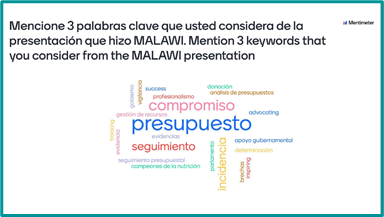
Sesión de aprendizaje en Incidencia Política en Nutrición: Entre los casos de éxito presentados estuvieron: “La nutrición en los planes de desarrollo nacional y territorial”, de Colombia; las acciones de “Incidencia a candidatos presidenciales en favor de la nutrición” de Perú y el incremento de la asignación para nutrición del Presupuesto Nacional en 3.7%, lograda en Malawi, estas tres del primer bloque.
Sesión de aprendizaje en: Trabajo multisectorial y multiactoral en temas a favor de la nutrición se conoció la experiencia de “Laboratorios gastronómicos”, de Costa Rica; “Propuesta País en Nutrición 2017”, de El Salvador y “Sistema Nacional de Seguridad Alimentaria y Nutricional – SINANSAN”, de Guatemala.
El encuentro tuvo un espacio que permitió que funcionarios públicos, sociedad civile y sector privado reflexionen sobre la importancia de la sociedad civil para el impulso de políticas públicas; que todos los participantes reconocieran la importancia de la articulación nacional y subnacional, y que es necesaria la concertación de acciones con la participación de todos los estamentos: Estado, sociedad civil, academia, empresa, gremios, etc.
Además se destacó la necesidad de reconocer las diferencias interculturales al interior de cada país así como el respeto de las tradiciones ancestrales para garantizar la seguridad alimentaria y la alimentación saludable.
Francisca Gómez, Especialista en Políticas del Movimiento SUN, añadió que es necesario identificar oportunidades de incidencia e impacto en nutrición poniendo énfasis en los países que enfrentaran procesos electorales como es el caso de Perú y Ecuador.
Por su parte, Cecilia Ruberto, Asesora Senior de Monitoreo, Evaluación y Aprendizaje, Punto Focal para el Grupo Regional de América y el Caribe de la Red de la Sociedad Civil del Movimiento SUN destacó la importancia de la articulación e incidencia regional desde la Red de la Sociedad Civil
En tanto, Debora di Dio, Asesor Senior de Nutrición y Estrategia del Movimiento SUN en Naciones Unidas y Milo Stanojevich, Consultor de Desarrollo Internacional; coincidieron en la necesidad de ampliar estos espacios de intercambio con el objetivo de fortalecer el trabajo de la sociedad civil a partir del análisis, debate y reconocimiento de experiencias concretas y ejecutables.
La actividad fue organizada por el Equipo Técnico del Capítulo de Nutrición de CARE Perú, miembro de la Alianza por la Seguridad Alimentaria y Nutricional PERUSAN, liderado por Paul Lucich Osorio e integrado por Alcides Navarro y Fiorella Oneeglio.
Agradecemos a los más de cien participantes de más de 10 países y nos comprometemos a continuar las discusiones y colaboraciones en los próximos meses.
Nuestro profundo agradecimiento a los ponentes y facilitadores:
- Peru: Walter Vílchez Dávila, CENAN; Delia Haustein – PRISMA/PERUSAN; Paul Luchich, Care Peru/PERUSAN
- Guatemala: Eduardo Say PiNN/CATIE; Tobías Tzoc, INCOPAS; Martha Pacay, PiNN; Santiago Girón, FUNCAFE; Miriam Ramírez, FUNCAFE; Santiago Vicente Chanchavac Alcalde Municipal de Momostenango
- Costa Rica: Roberto Azofeita, Ministerio de Agricultura y Ganadería; Joxan Obando, Hoteles Greentique; Alfredo Echevarría Fundación Costarricense de Gastronomía (FUCOVA); Carmen Torres Ledezma. Gerente de Desarrollo de Programa Alimentos Sostenibles.
- El Salvador: Ana Josefa Blanco Noyola, CALMA/NutrEs; John Aguilar Cativo, CALMA/NutrEs
- Colombia: Carolina Turriago, Fundación Éxito; Elisa Maria Cadena Gaona Ministerio de la Salud; Paula Escobar, Fundación Éxito; Constanza Jerez – NiñezYa
- Malawi: Gift Mtupa, Sue Ryder Foundation/CSONA; Hon Deus Gumba, Parliamentary Committee on Nutrition and HIV / AIDS – Malawi; Joseph Gausi, CSONA
