Todas las noticias sobre Advocacy
Seleccione los temas que le interesan para filtrar los artículos de prensa.
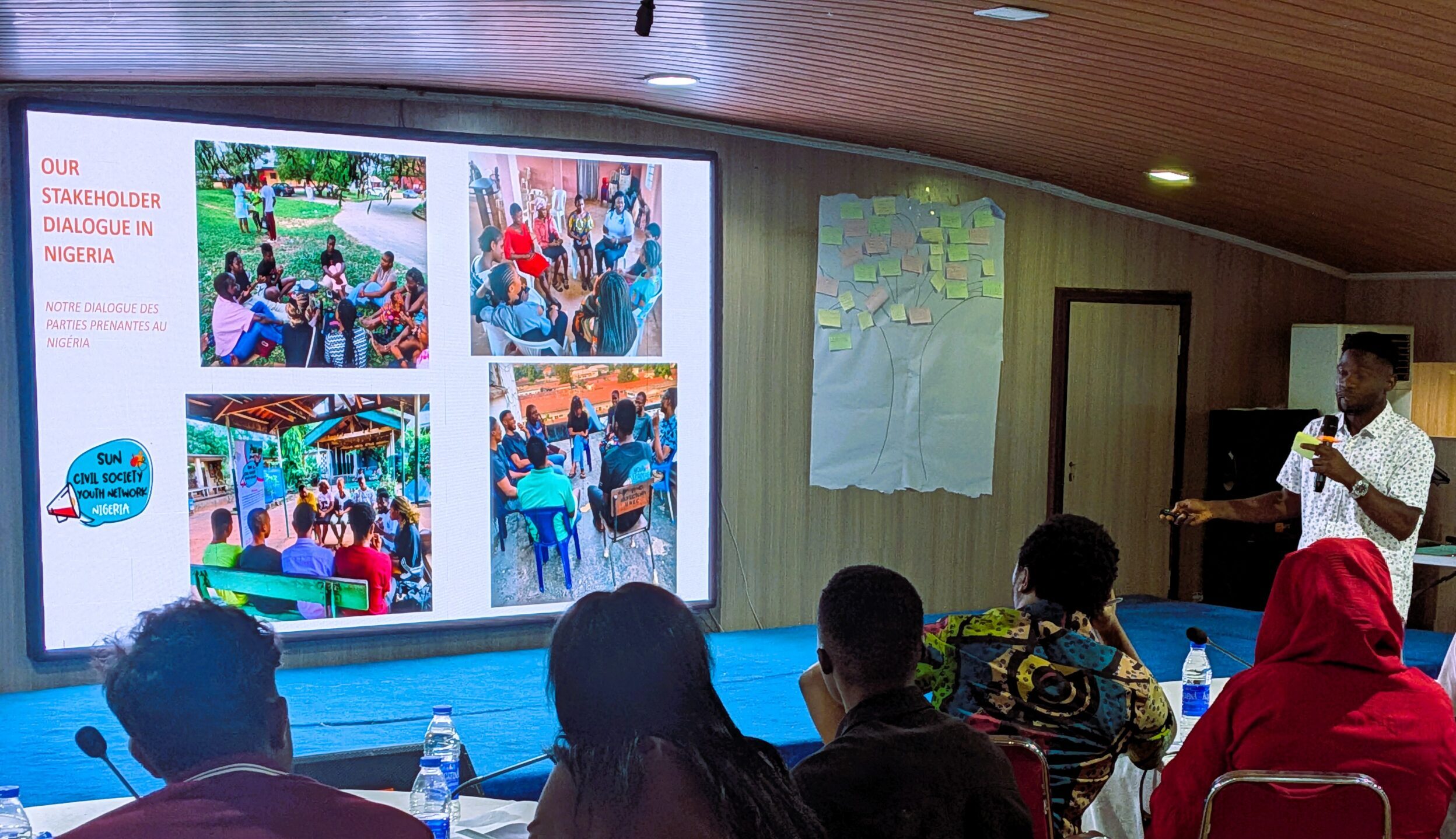
The road from Paris to Lagos and beyond: Scaling up youth-led, community-informed policymaking across the SUN Movement
In July 2026, the SUN Civil Society Network convened Civil Society Alliance and Youth representatives from 8 countries for an in-person peer-learning workshop to deliver youth-led community-informed nutrition policymaking in their own countries. Read on to hear from Senior Advocacy & Youth Advisor, Sean Counihan, on what we learned over 3 action-packed days, the road […]
Leer
Strengthening local and sustainable food systems in Peru
70% of the food on our plates comes from smallholder farmers. Yet only 7.5% of them receive technical assistance. In an environment of economic and climate shocks, this is endangering people’s livelihoods and the food systems they sustain. PERUSÁN – the SUN civil society alliance in Peru – is connecting farmers, nutritionists, communities and policymakers […]
Leer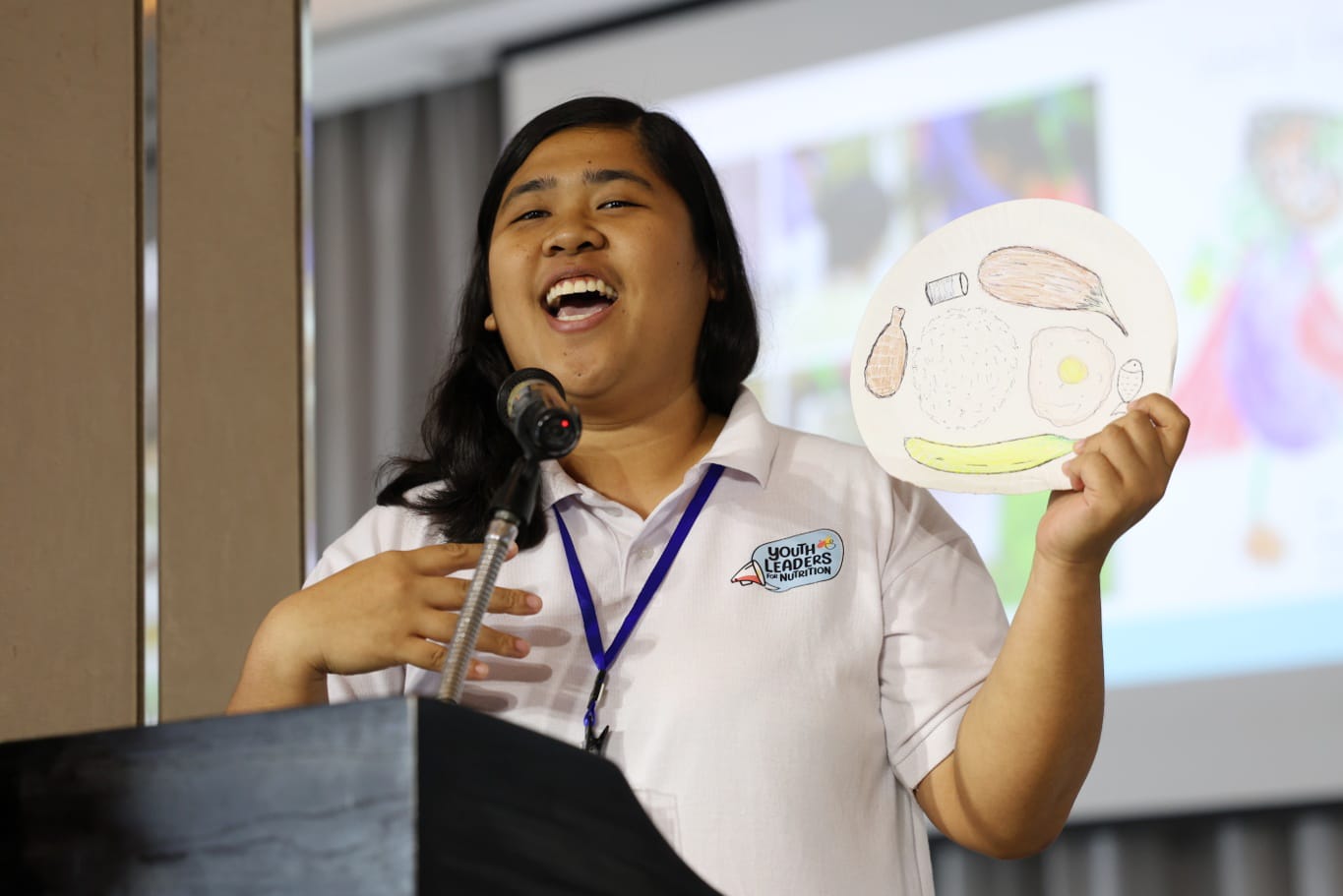
SUN CSN reports on progress against our N4G commitments
One year after registering our Nutrition for Growth commitments in the Nutrition Accountability Framework, SUN CSN has submitted its first progress update. This is an important accountability milestone as we continue working towards our 2028 ambitions: strengthening cross-country learning between civil society alliances, supporting youth leaders to deliver community-informed advocacy, and advancing civil society advocacy […]
Leer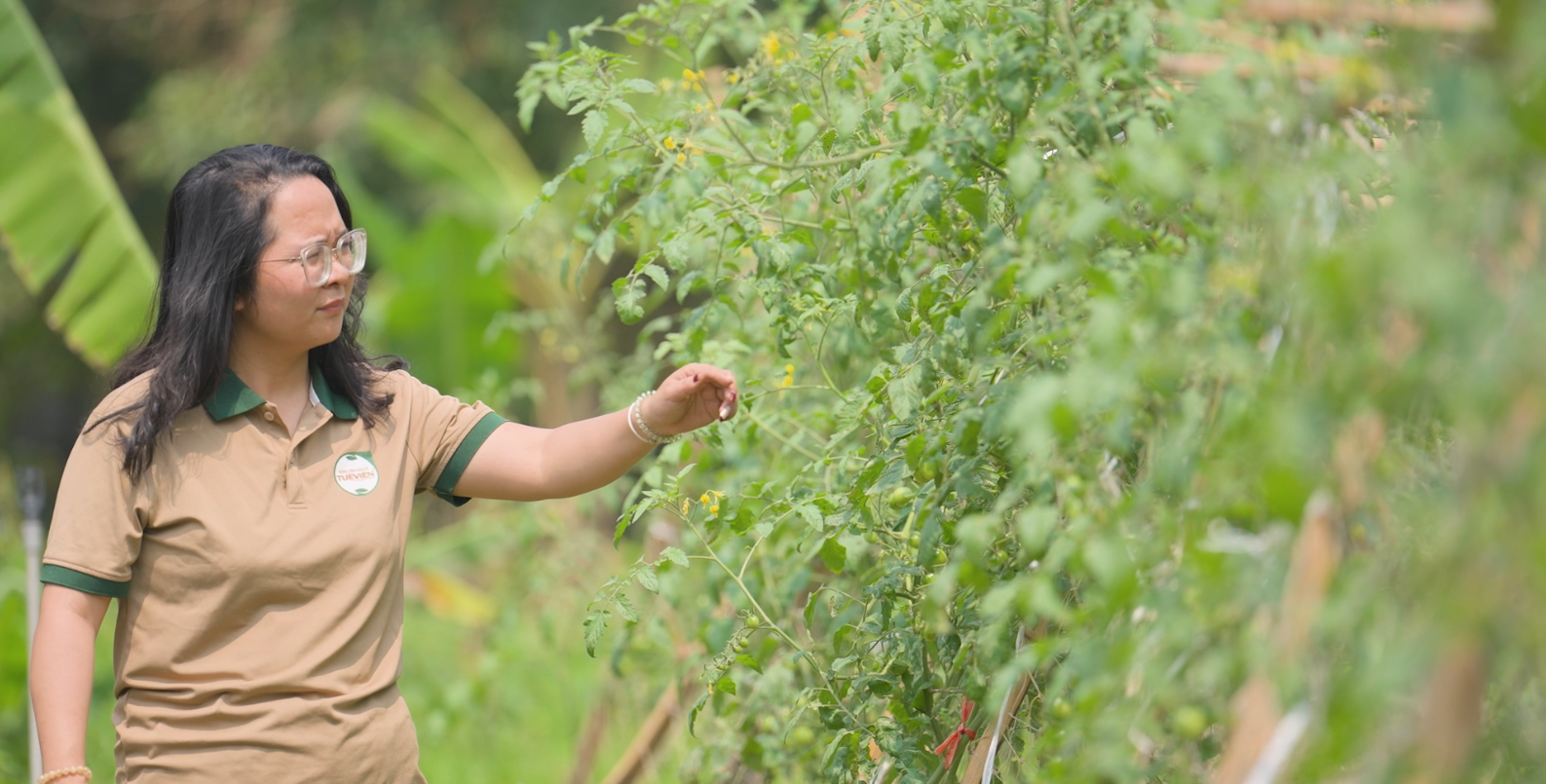
Closing the gender nutrition gap: lessons from Viet Nam
In Viet Nam, women play a central role in agriculture, food systems and community life. In many contexts, they are not only producers, but also decision-makers and drivers of change. Yet, despite this strong participation, gaps in nutrition, health and access to resources persist – particularly as climate shocks place increasing pressure on livelihoods and food systems. This video […]
Leer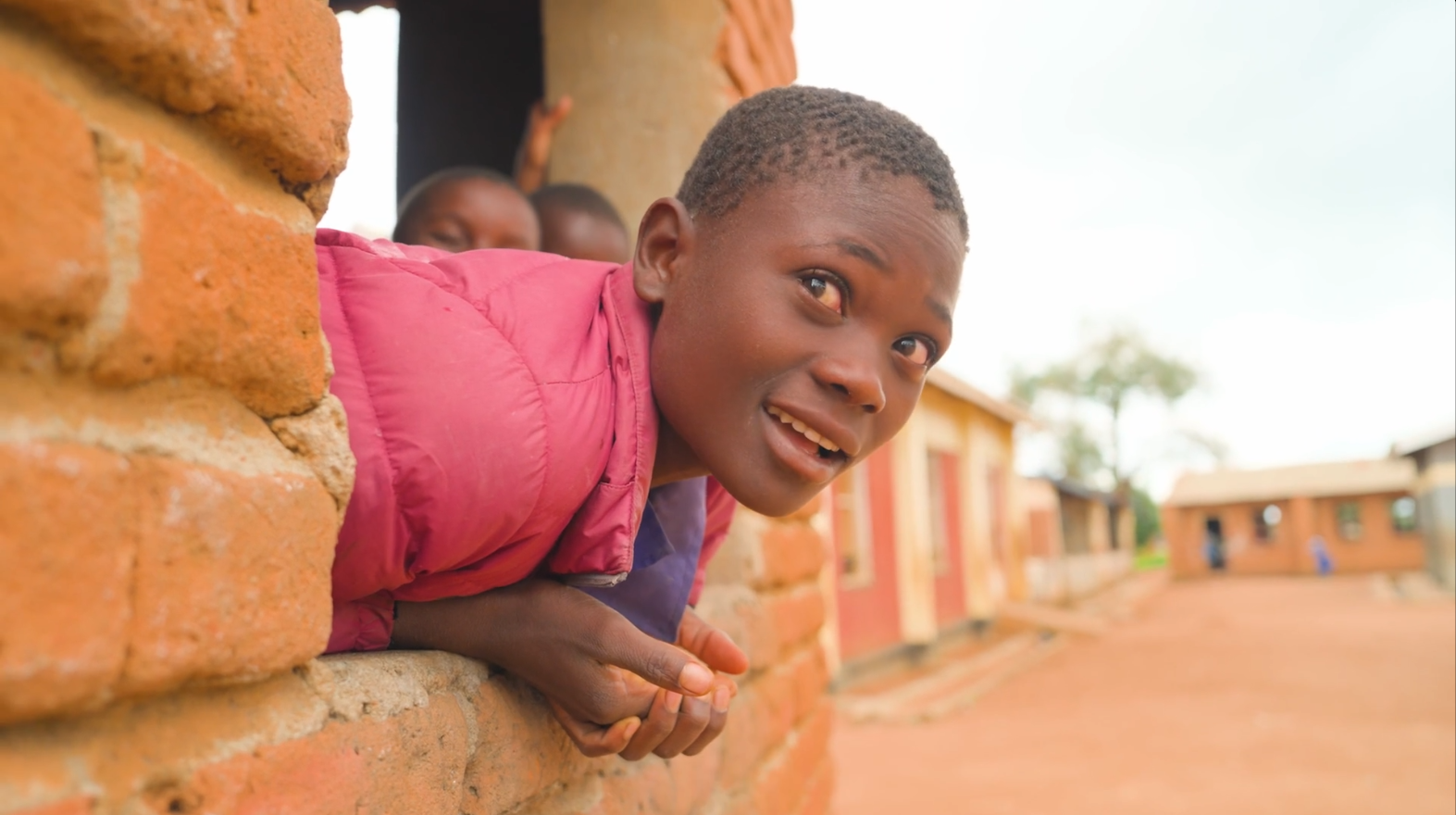
Budgeting for nutrition: How civil society advocacy in Malawi is getting resources to communities
CSONA, the SUN civil society alliance in Malawi, is proving that advocacy works. By partnering with parliamentary nutrition champions and the SUN Civil Society Network, they’ve fought to secure a bigger national nutrition budget – and to make sure those resources actually reach the districts that need them most. But this isn’t just a story […]
Leer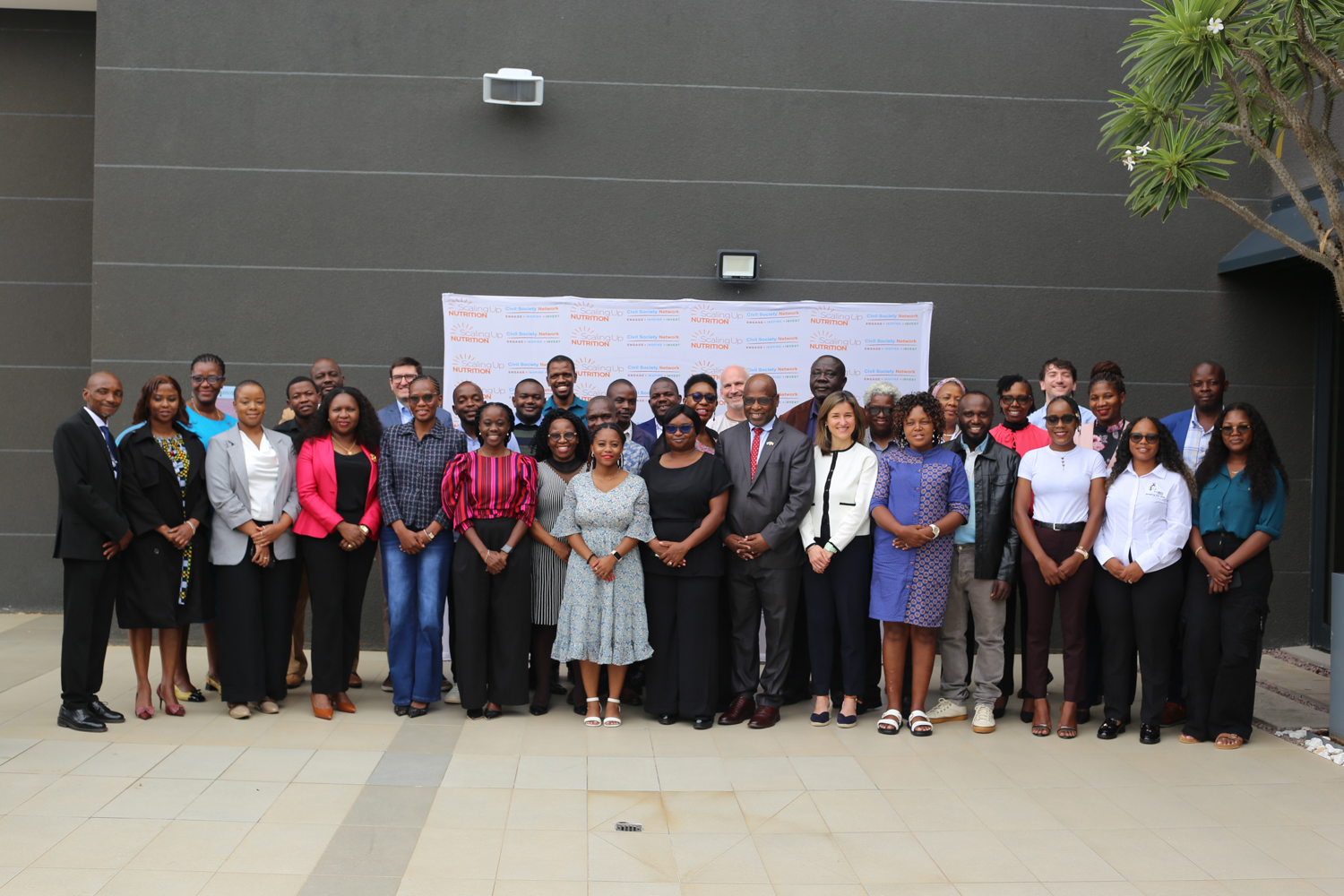
From commitment to action: civil-society led accountability for nutrition results. Reflections from the East and Southern Africa regional workshop.
From 2–6 March 2026, representatives from 17 Scaling Up Nutrition (SUN) Civil Society Alliances (CSAs), including 12 from East and Southern Africa (ESA) and five from Anglophone West, Central Africa, and the Islands (WCAI), convened in Gaborone for a regional workshop under the theme ‘strengthening accountable food systems for nutrition security and health’, hosted by Food Bank Botswana. Coming at an important moment – […]
Leer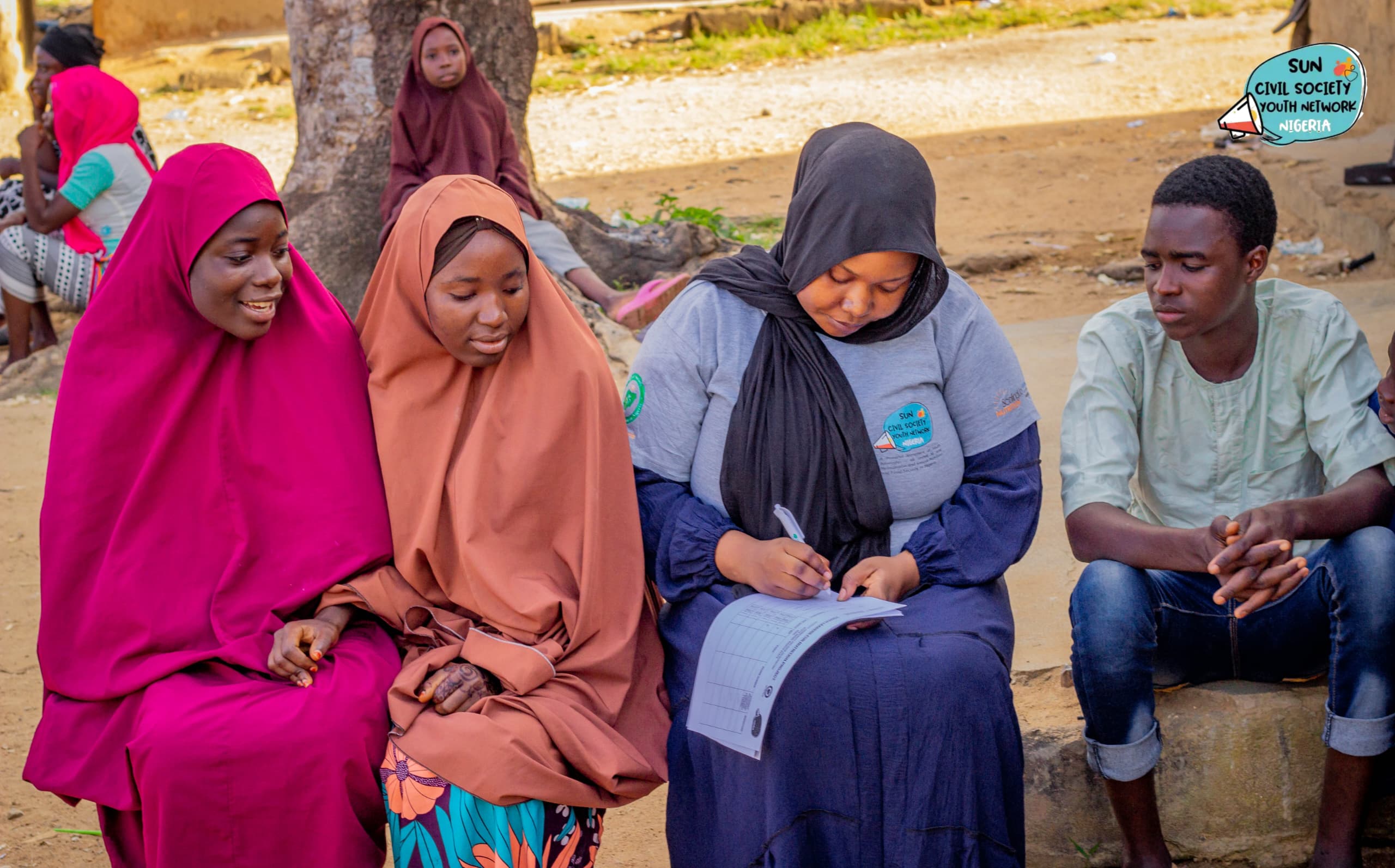
¡Ya están abiertas las solicitudes para el Fondo de Incidencia Juvenil y Diálogos por la Nutrición de la RSC de SUN !
Descripción general La Red de la Sociedad Civil SUN ofrece subvenciones de hasta 10.000 € a las Alianzas de la Sociedad Civil (ASC) para diálogos comunitarios sobre nutrición liderados por jóvenes. Esta financiación amplificará las voces de los jóvenes y miembros de la comunidad marginados, transformando las conversaciones locales en demandas políticas concretas que influyan […]
Leer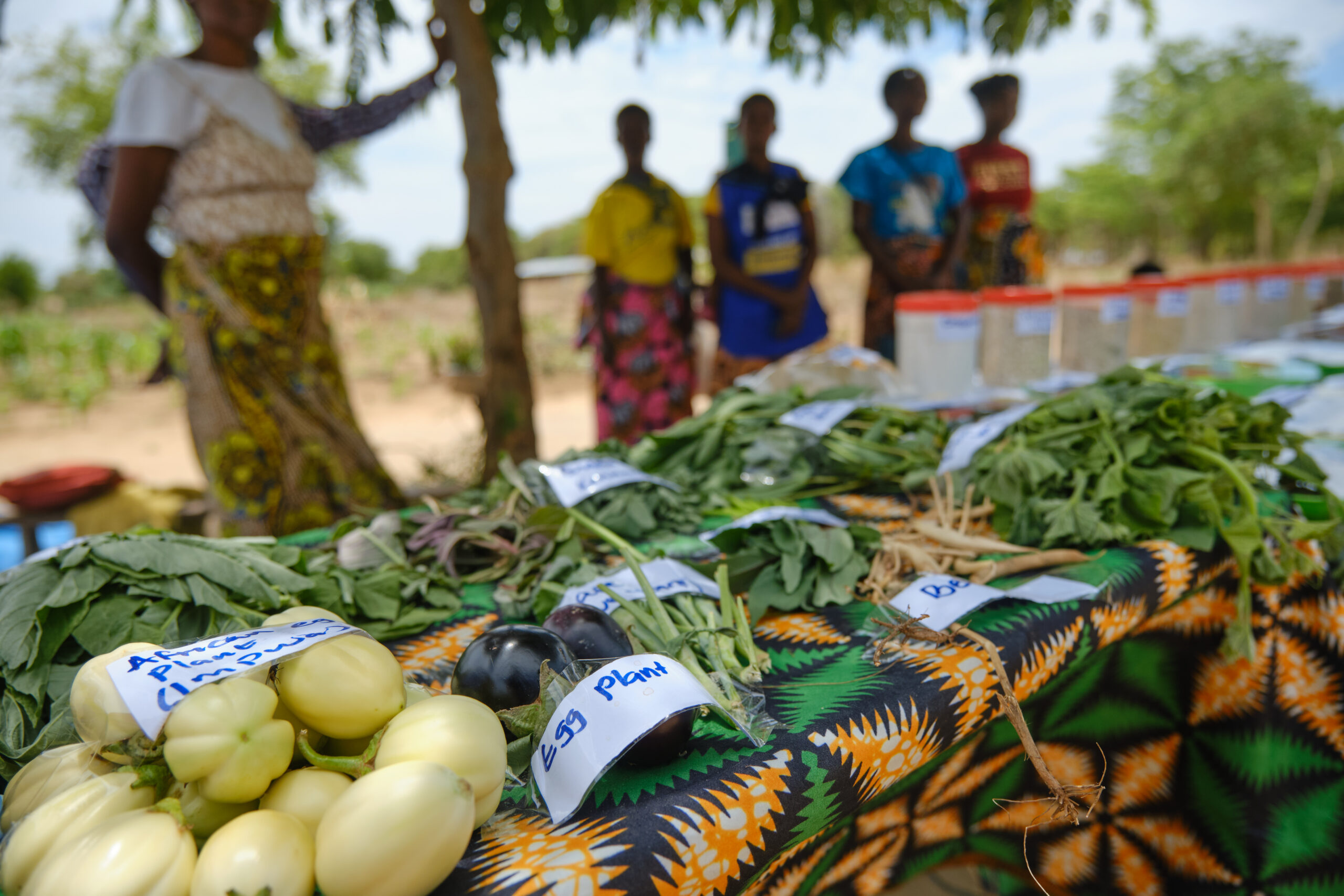
La Red de la Sociedad Civil del SUN lanza la Estrategia RSC SUN 4.0 para acelerar la acción en nutrición liderada localmente (2026–2030)
La Red de la Sociedad Civil del Movimiento Scaling Up Nutrition (RSC SUN) ha lanzado oficialmente su nueva estrategia quinquenal, RSC SUN 4.0, estableciendo una hoja de ruta audaz y liderada localmente para avanzar en los resultados en nutrición en todo el mundo entre 2026 y 2030. La estrategia se alinea con el marco Scaling […]
Leer
The Scaling Up Nutrition Civil Society Network at a turning point
As 2025 comes to a close, we look back on a year of extraordinary commitment and collective impact across the Scaling Up Nutrition Civil Society Network (SUN CSN). It has been a year marked by global turbulence, shrinking civic space, widening inequalities and an unprecedented contraction in funding. Yet, despite these challenges, civil society has shown remarkable resilience. Our […]
LeerEnviar artículos de prensa
Si es usted parte de la Red de la Sociedad Civil SUN y desea compartir un artículo de prensa, envíelo completando el formulario de contacto y seleccione la opción «Enviar un artículo de prensa» en «Motivo por el que nos contacta» para que podamos revisarlo y publicarlo.
As 2025 comes to a close, we look back on a year of extraordinary commitment and collective impact across the Scaling Up Nutrition Civil Society Network (SUN CSN). It has been a year marked by global turbulence, shrinking civic space, widening inequalities and an unprecedented contraction in funding. Yet, despite these challenges, civil society has shown remarkable resilience. Our members have continued to mobilise communities, influence policies, monitor commitments and champion the rights of those most affected by malnutrition.
This year also marked a defining moment for our Network: the completion of the SUN CSN 3.0 strategic phase. After five years of implementation, learning and adaptation, we now have a clearer and stronger foundation on which to build the next five-year phase of our collective journey.
What SUN CSN 3.0 achieved: A stronger, more connected network
Over the 2021–2025 strategy period, SUN CSN grew into a truly global and diverse alliance, now representing more than 5,000 organisations across 55 official Civil Society Alliances (CSAs), with seven more in development. With the support of committed partners, new alliances emerged in Latin America, and new international members joined our global constituency – strengthening our reach, legitimacy and diversity.
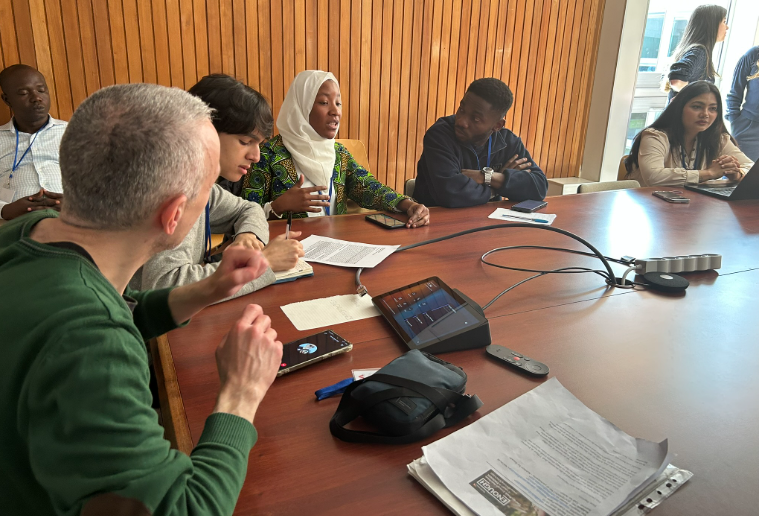
Regionalisation moved from concept to reality. With four operational regional groups – Asia, East and Southern Africa, West and Central Africa and Islands, and Latin America and the Caribbean – led by dedicated senior regional advisers, our Network became more grounded, more responsive and more attuned to local realities. Regional CSA gatherings, tailored regional strategies, direct sub-grants to local civil society and young people, new governance mechanisms, and close coordination with SUN Movement regional hubs ensured that local voices increasingly shaped national, regional and global agendas.
Thanks to record rates of completion of annual surveys, the Secretariat adapted its capacity strengthening to CSAs’ needs and priorities and developed strong partnerships with instrumental partners such as C4N-SUN, EU4SUN, 4SD, World Vision International, the East, Central and Southern Africa Health Community, and AUDA‐NEPAD.
From budget analysis to MEAL and innovative financing, through to governance, advocacy and communications, members upskilled in areas identified as priorities to implement national strategies.
Peer learning flourished, from ‘closing the gender nutrition gap‘ exchanges in Viet Nam, to Nigeria and Ghana sharing how they engage with their membership. Informal collaboration – between countries like Uganda and Pakistan, Peru and Ecuador, and Cambodia and Myanmar – demonstrated the power of solidarity and shared problem-solving.
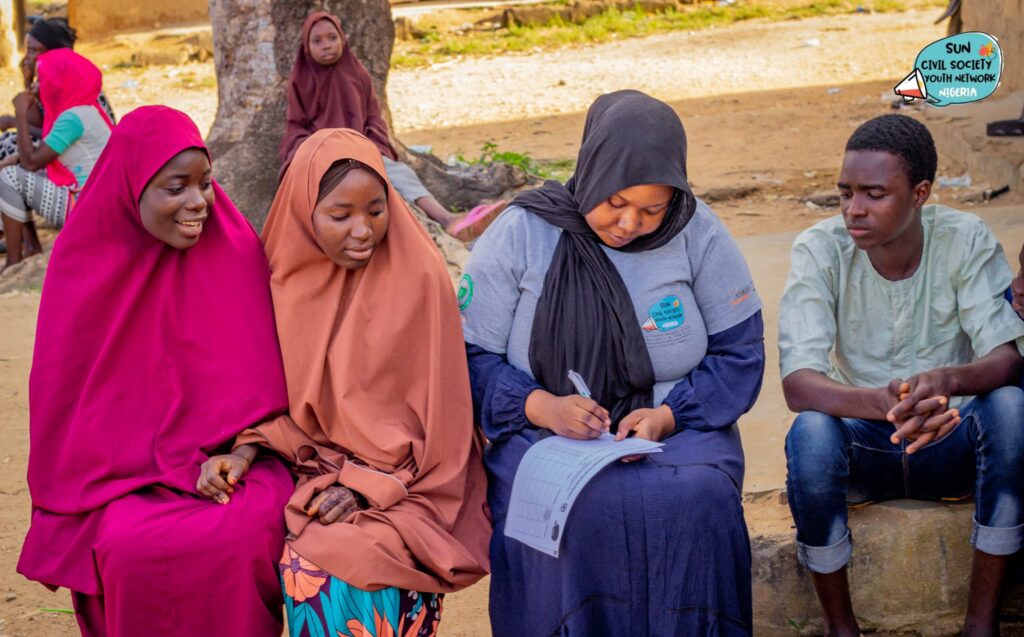
The Youth Leaders for Nutrition programme grew from a cohort of 13 youth leaders to 19 national Youth Coordinators, enabling youth-led community dialogues in more than 125 communities across 14 countries – a powerful shift toward community-rooted accountability and intergenerational leadership to inform national decision-making processes.
CSAs also made significant strides in advocacy and accountability, influencing national nutrition plans, tracking government financing, elevating community evidence to global stages, and driving coordinated civil society positions for major regional and global moments, including Nutrition for Growth (N4G) – where we delivered on and exceeded our 2021 commitments and made bold but achievable commitments in 2025 – the World Health Assembly (WHA), the Committee on World Food Security Summit (CFS) and the United Nations Food Systems Summit (UNFSS).
Finally, the SUN CSN Secretariat itself became more resilient. Through better financial planning, more diversified donor engagement, increased visibility, and a clearer role within the SUN Global Support System, we secured multi-annual funding and expanded our global and regional team.
Hard truths
SUN CSN 3.0 also revealed deep structural challenges that cannot be ignored.
Chronic underfunding remains our members’ most significant barrier: 64% of CSAs reported having no funding in 2024, and more than 50% identified engagement with donors as one of their weakest relationships.
Unpredictable resources limit CSAs’ ability to retain staff, strengthen governance, engage in multi-stakeholder platform discussions and sustain long-term strategic planning and implementation.
Political instability and shrinking civic space continue to undermine civil society and youth participation. Across many countries, frequent leadership changes, restrictive regulations and threats to community activism disrupted progress and limited access to decision-making.
At the same time, the global nutrition landscape is shifting rapidly. Climate shocks, conflict, inequality and the rise of ultra-processed foods are fuelling a crisis of malnutrition in all its forms. Civil society is increasingly called upon to respond to multiple crises at once, taking on greater risks but with fewer resources.
These realities make one point clear: the next phase must place local leadership, equity and resilience at its centre.
After a year of extensive consultations – with CSAs, youth coordinators, regional groups, INGOs, the SUN CSN Steering Group, and stakeholders across the whole SUN Movement – we are now ready to turn the page.
Coming in January 2026: SUN CSN Strategy 4.0
The Network’s 2026–2030 strategy will present a more localised and ambitious vision – one that responds to the lessons of 3.0, the demands we expect to face in the future, and the evolving realities facing civil society. Strategy 4.0 is built around several key shifts:
- Locally led leadership as the backbone of our Network.
- Youth and women’s leadership as drivers of equitable governance.
- Bold advocacy and accountability, with nutrition fully integrated across systems such as climate, gender, food, social protection and health.
- Civil society resilience, through governance strengthening and longer-term, flexible resourcing.
- Regionalisation and decentralisation, so decisions, learning and influence are closer to where impact is felt.
- A revitalised offer to CSAs aligned with regional strategies, including tailored technical assistance, peer learning, small grants, regional teams and stronger links with global members.
It is also a strategy firmly rooted in our N4G commitments – on private sector accountability, youth leadership and community-rooted evidence.
The new strategy will be our roadmap through 2030: the final stretch of the Sustainable Development Goals, the UN Decade of Action on Nutrition, and the WHA targets. This is an opportunity for re-energising our forces as civil society, in our role within the SUN Movement and in the fight against malnutrition.
A final word for 2025
To every CSA coordinator, youth coordinator, community-based organisation, INGO and regional group: thank you. Your work in 2025 has shown once again that civil society and young people are indispensable to driving progress on nutrition – especially in the most difficult environments.
As we close this chapter and prepare to open a new one, our commitment remains unchanged:
a world free from malnutrition in all its forms, built on the leadership, rights, and the power of people and communities.
We look forward to sharing the SUN CSN Strategy 4.0 with you in January – shaped by our collective wisdom, grounded in our shared values, and ready to carry us into the next decade of action.
Together we are stronger. And together we will continue to drive change where it matters most.
