
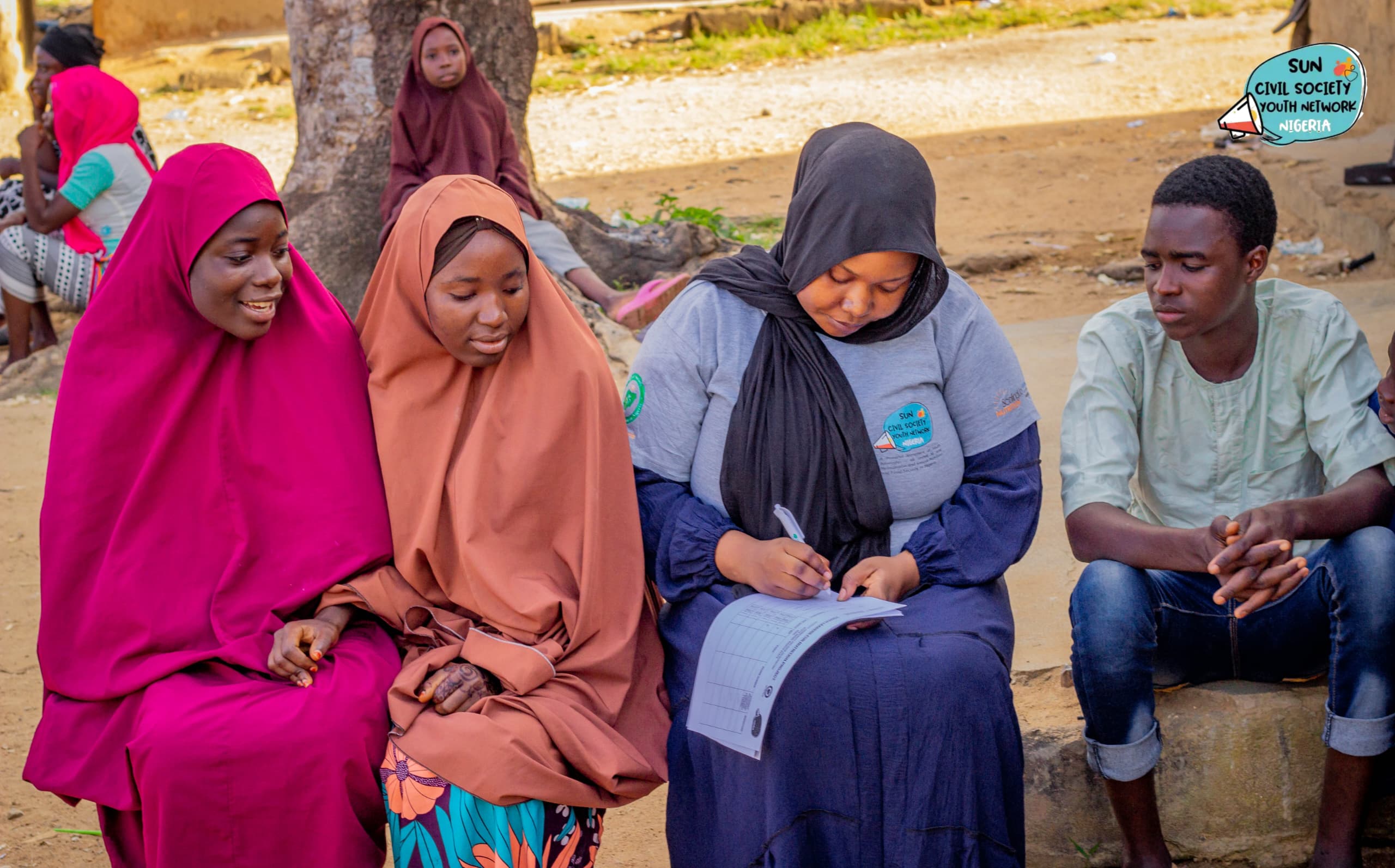
Overview The SUN Civil Society Network is offering grants of up to €10,000 to Civil Society Alliances (CSAs) for youth-led community dialogues on nutrition. This funding will amplify the voices of marginalised young people and community members, transforming local conversations into concrete policy asks that influence nutrition decision-making from local to global levels. This opportunity builds on the momentum of the Nutrition […]
ReadAll Asia region news

Nourish to Flourish: Putting nutrition at the heart of social development
Originally published by UN Nutrition. From 4–6 November 2025, leaders gathered in Doha, Qatar, for the Second World Summit on Social Development (WSSD). Convened by the UN General Assembly, the Summit renewed global commitments to the Copenhagen Declaration on Social Development and the 2030 Agenda. Nourish to Flourish Against this backdrop, UN-Nutrition, together with the Governments of the Netherlands and Brazil, co-organised […]
Read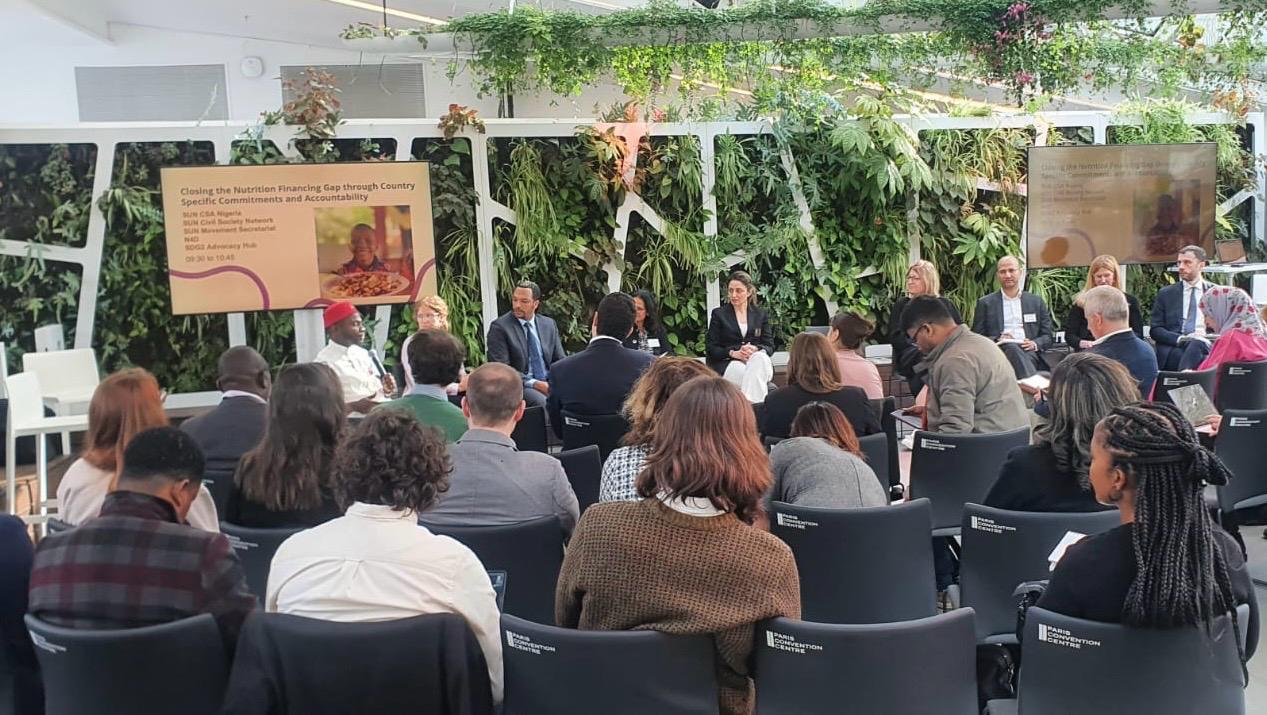
Civil Societies launch a common declaration at Nutrition for Growth Summit (N4G) in Paris 2025
In the margins of the N4G Summit, civil society organisations from across the world gathered for two days in the Civil Society Pavilion to confront pressing challenges in the nutrition landscape and shape a path forward. From these discussions, civil society united behind a set of key recommendations, with over a hundred organisations supporting this […]
Read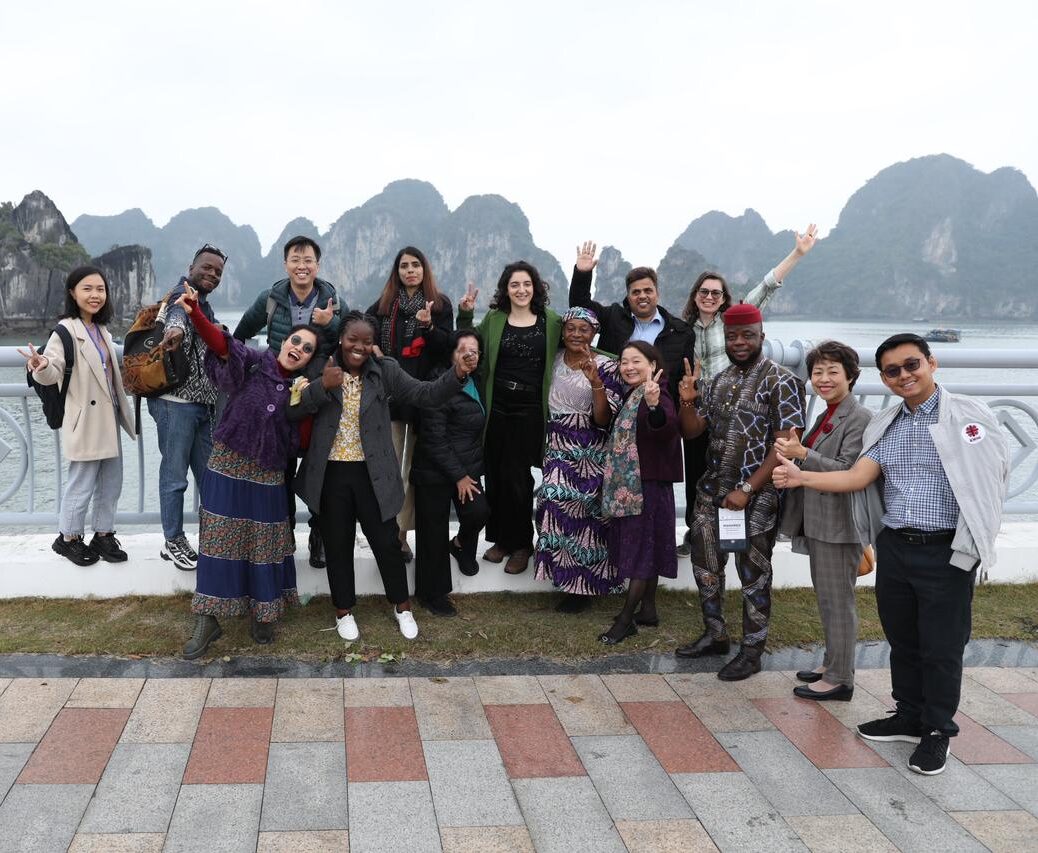
Navigating The Gender Nutrition Frontier
A Personal Reflection on a Training Experience in Vietnam by Kansiime Ruth Praise As I reflect on the transformative journey through “Closing the Gender Nutrition Gap” training organized by the Scaling Up Nutrition Civil Society Network (SUN CSN) in collaboration with Vietnam Civil Society Alliance (CSA), a spectrum of experiences, insights, and cultural immersions flood […]
Read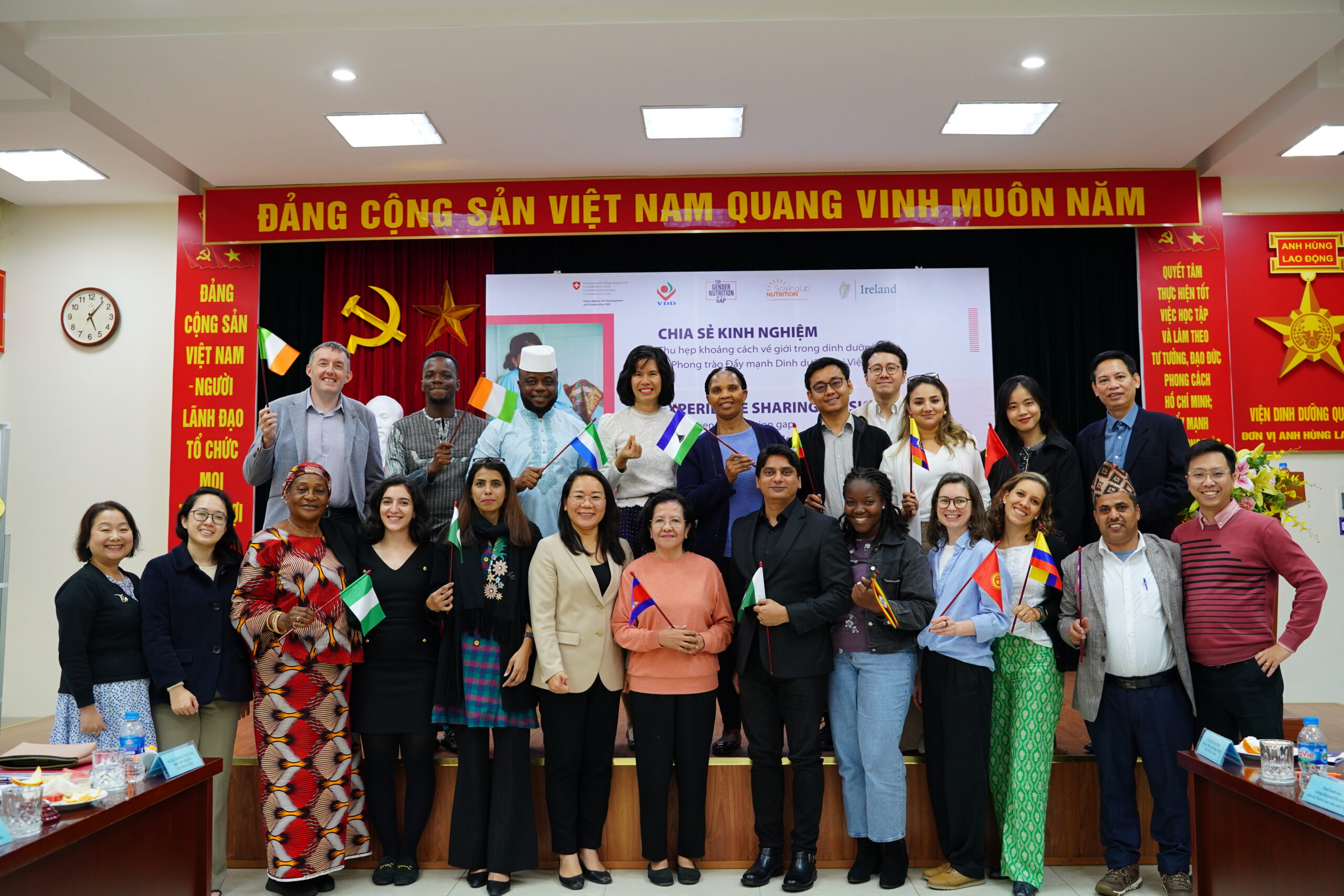
A Timely and Engaging Learning Experience:
A Pakistani Perspective by Kaleem Ullah
Read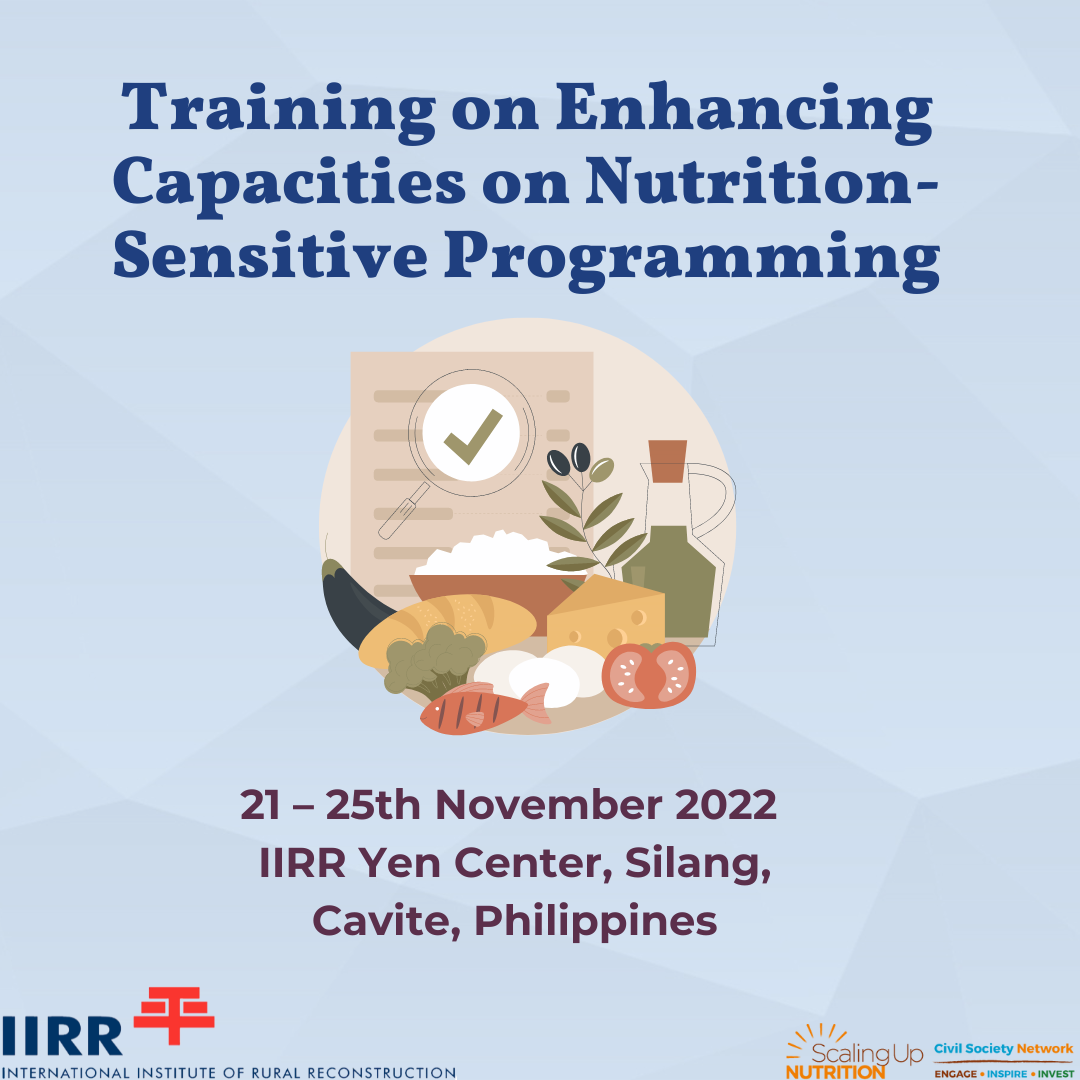
Nutrition Sensitive training in the Philippines – A Tale of Experience
A photoblog by Georgine Obwana – CSA Uganda In this ever-changing world, it is necessary to keep updating yourself, your knowledge, and your intellect, to keep up with the continuous growth and development taking place. This is exactly why the one week blended international course on Enhancing Capacities on Nutrition – Sensitive programing (NSP) has […]
Read
The Small Grants Programme Report is here!
Since 2018 SUN CSN has run a small grants programme, which invites interested & eligible CSAs and their members to apply for small grants, to implement and pilot small projects for research or innovation purposes over a 6-month period. Between 2018 – 2022 The SUN CSN Small Grants Programme has run four cycles of funding […]
ReadWe are all accountable
One year on from the Nutrition for Growth (N4G) summit, SUN CSN launches a social accountability campaign to hold stakeholders to account for promises made. The SUN Civil Society Network, along with the support of network members and global partners, want to see that the bold commitments we all made for nutrition become a reality! […]
Read
Get to know the Global Nutrition Cluster Technical Alliance
Who is the GNC Technical Alliance? The Global Nutrition Cluster Technical Alliance exists to provide systematic, predictable, timely, cost-effective and coordinated nutrition technical assistance to help nutrition practitioners meet the nutrition rights and needs of people affected by and at risk of emergencies. We provide expert guidance, learning and training, either remotely, through providing online […]
Read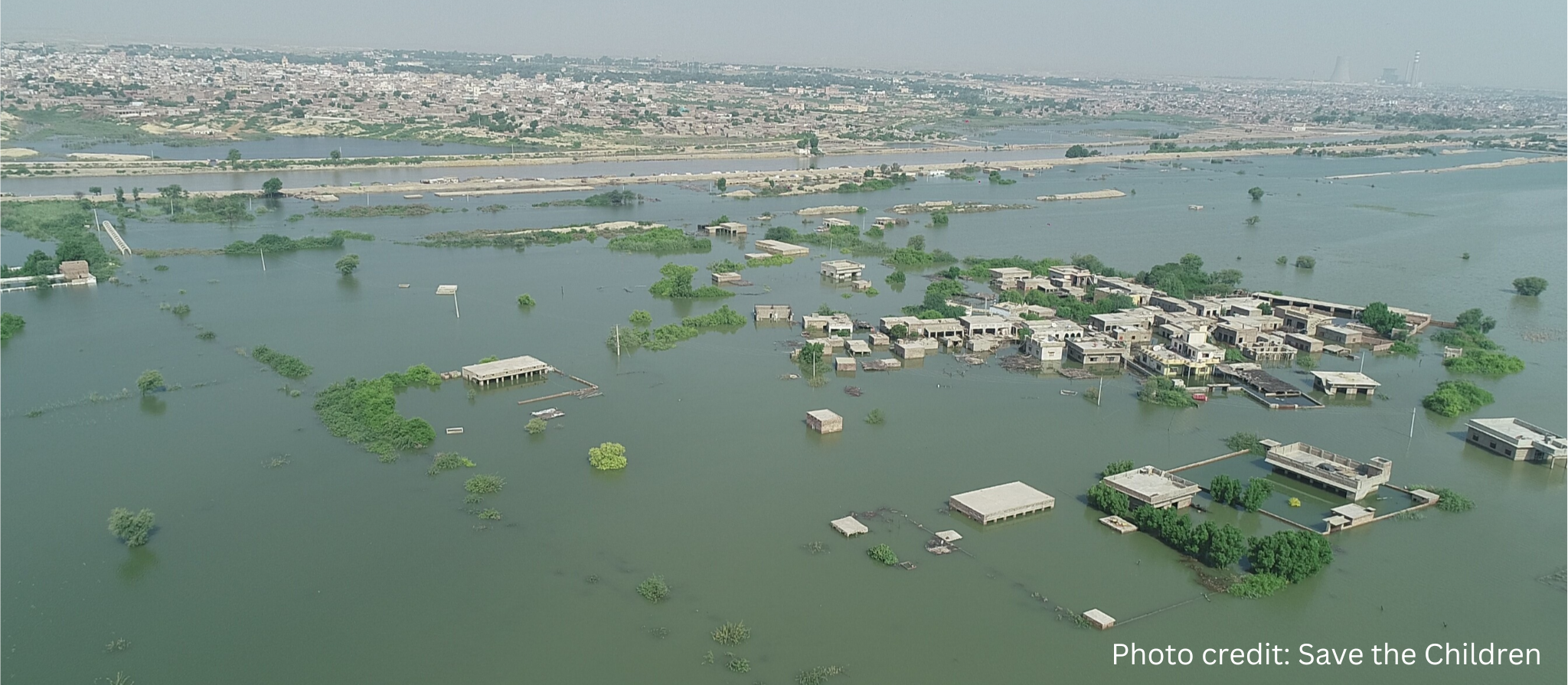
Flooding in Pakistan: Fears for Nutrition and Food Security
Flooding in Pakistan: Fears for Nutrition and Food Security Devastating flooding in Pakistan has swept away crops and stockpiles and left large areas of farmland under water, deteriorating the precarious food and nutrition security in the country. The communities who were already living on the edge now need to cope with this sudden shock of […]
ReadFlooding in Pakistan: Fears for Nutrition and Food Security
Devastating flooding in Pakistan has swept away crops and stockpiles and left large areas of farmland under water, deteriorating the precarious food and nutrition security in the country. The communities who were already living on the edge now need to cope with this sudden shock of lost livelihoods and agriculture, as the catastrophic flood has swept away 45% of the country’s cropland [1] and in some areas 80% of farm livestock have been lost [2].
The government, as well as humanitarian organisations and private sector, are providing rations of food items to affected communities. However it is reported that still significant proportions of people are forced to live on only one meal a day or even less.
SUN Civil Society Alliance (CSA) members’ organisations are involved in relief activities across provinces,facilitating government authorities and private humanitarian organisations in needs assessment and distribution of relief items and medical facilities. Nutrition International, which hosts the Civil Society Alliance, developed and shared the ‘Nutritionally Balanced Ration Packages in Emergencies’ guidelines with government and humanitarian organisations involved in food distribution.
The SUN Focal Point in Pakistan has said:
“Pakistan was hit with devastating floods which have vanished not only lives but livelihoods. A country with a huge number of the population having limited physical and economic access to diversified food is now expected to experience severe shortage of foods which will result in a triple burden of malnutrition. Hence, an effective multi sectoral well-coordinated response is a must.”- Dr. Nazeer Ahmed, SUN Government Focal Point Pakistan/ Chief Nutrition; Ministry of Planning Development and Special Initiatives
Malnutrition was already prevalent among young children, adolescents and pregnant and lactating women living in flood-affected areas prior to the monsoon. An increase in cases of malnutrition is expected as a result of this heavy spell, as millions of people displaced by the floods are living under the sky with stagnant flood waters, leading to water borne diseases, including acute diarrhoea, which consequently contribute to malnutrition.
In the long run, food shortages are looming in the country as a sizable fraction of food storage has been destroyed, along with significant damage to the staple crops. According to the International Rescue Committee, 65% of Pakistan’s main food crops, including 70% of its rice, have been swept away during the floods [3].
Similarly, shortage of agriculture crops, particularly wheat, a staple food used by a large number of populations in the country, will likely lead to importing food which could in turn raise costs and reduce people’s buying power, particularly those whose finances are already shattered by the flooding.
In countries severely affected by climate change like Pakistan, the demarcation between humanitarian and development work is becoming meaningless. There is a need to build synergies between humanitarian and development organisations for comprehensive planning and response to lessen the impact of climate change. Given climate change and nutrition are so integrated, there is a need to build the capacity of civil society organisations on the response and mitigation of climate change on the ground.
The SUNCSA Pakistan Convener states,
“The magnitude of the current flood catastrophe, due to climate change, calls for urgent actions from the global community, to save millions of people including women, children and the disabled from becoming victims of food insecurity and malnutrition. The effects of this calamity will be felt for generations to come, if timely response is not extended.” – Dr Shabina Raza, Convener SUNCSA Pakistan
The devastation that has occurred due to the floods demands an urgent emergency response as well as a long term rehabilitation and development plan from the international community, with particular focus on food & nutrition security and livelihoods.
Learn how you can take action to support Pakistan here
[1] Ministry of Food Security and Climate Change
[2] International Committee of the Red Cross
[3] Muslim times
