
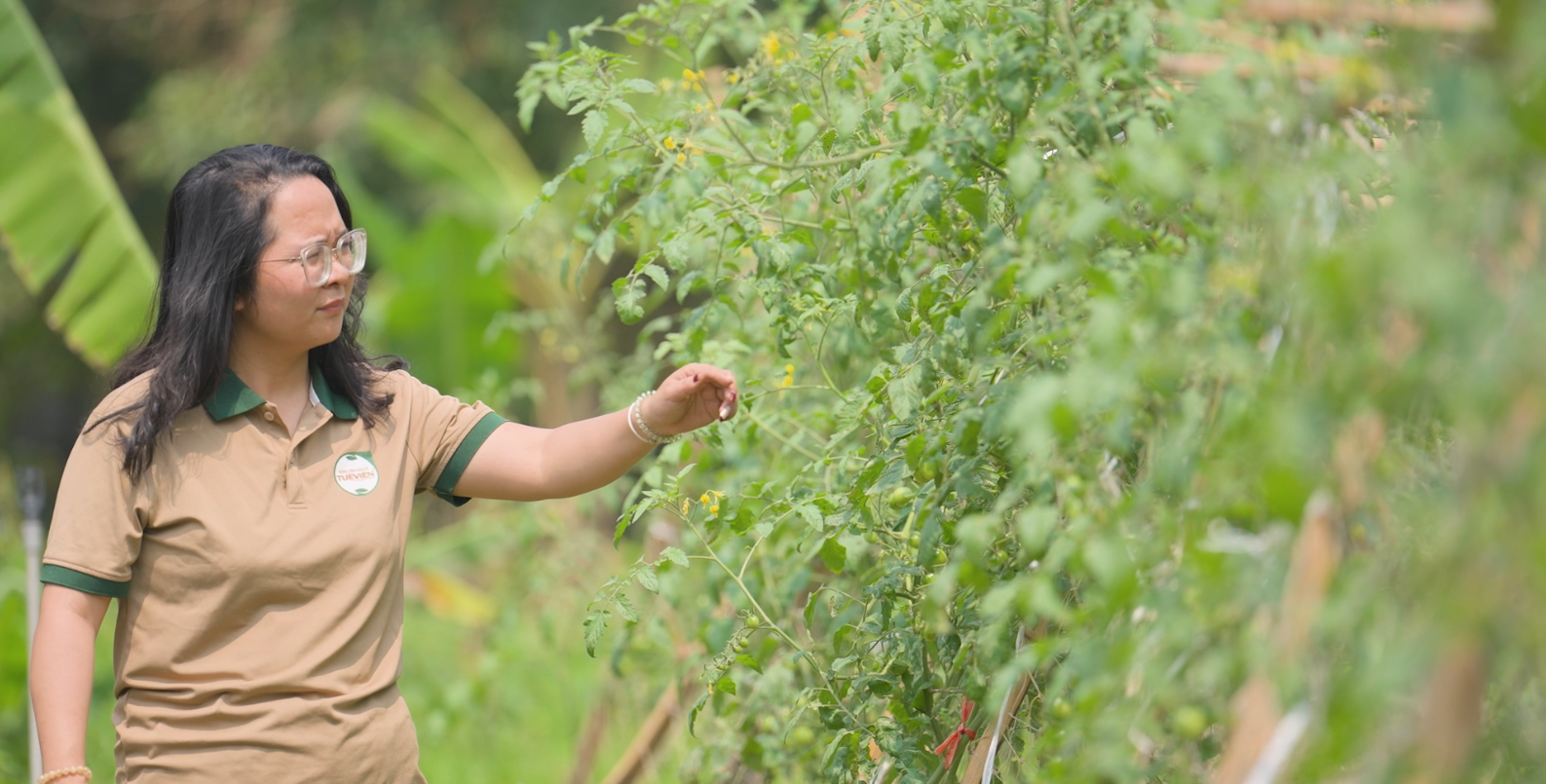
In Viet Nam, women play a central role in agriculture, food systems and community life. In many contexts, they are not only producers, but also decision-makers and drivers of change. Yet, despite this strong participation, gaps in nutrition, health and access to resources persist – particularly as climate shocks place increasing pressure on livelihoods and food systems. This video […]
ReadAll Asia region news
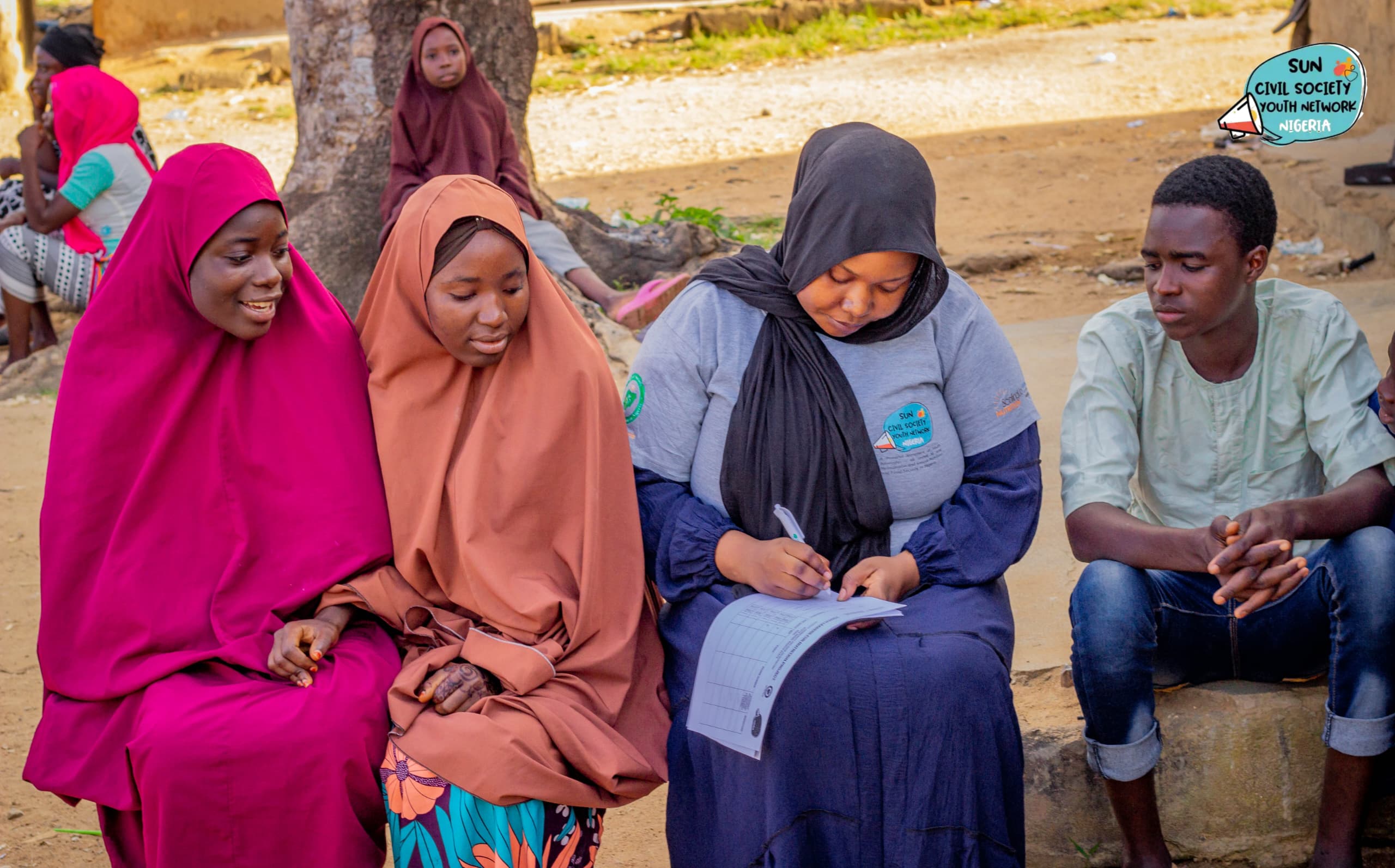
Applications are now open for the SUN CSN Nutrition Dialogues Youth Advocacy Fund!
Overview The SUN Civil Society Network is offering grants of up to €10,000 to Civil Society Alliances (CSAs) for youth-led community dialogues on nutrition. This funding will amplify the voices of marginalised young people and community members, transforming local conversations into concrete policy asks that influence nutrition decision-making from local to global levels. This opportunity builds on the momentum of the Nutrition […]
Read
Nourish to Flourish: Putting nutrition at the heart of social development
Originally published by UN Nutrition. From 4–6 November 2025, leaders gathered in Doha, Qatar, for the Second World Summit on Social Development (WSSD). Convened by the UN General Assembly, the Summit renewed global commitments to the Copenhagen Declaration on Social Development and the 2030 Agenda. Nourish to Flourish Against this backdrop, UN-Nutrition, together with the Governments of the Netherlands and Brazil, co-organised […]
Read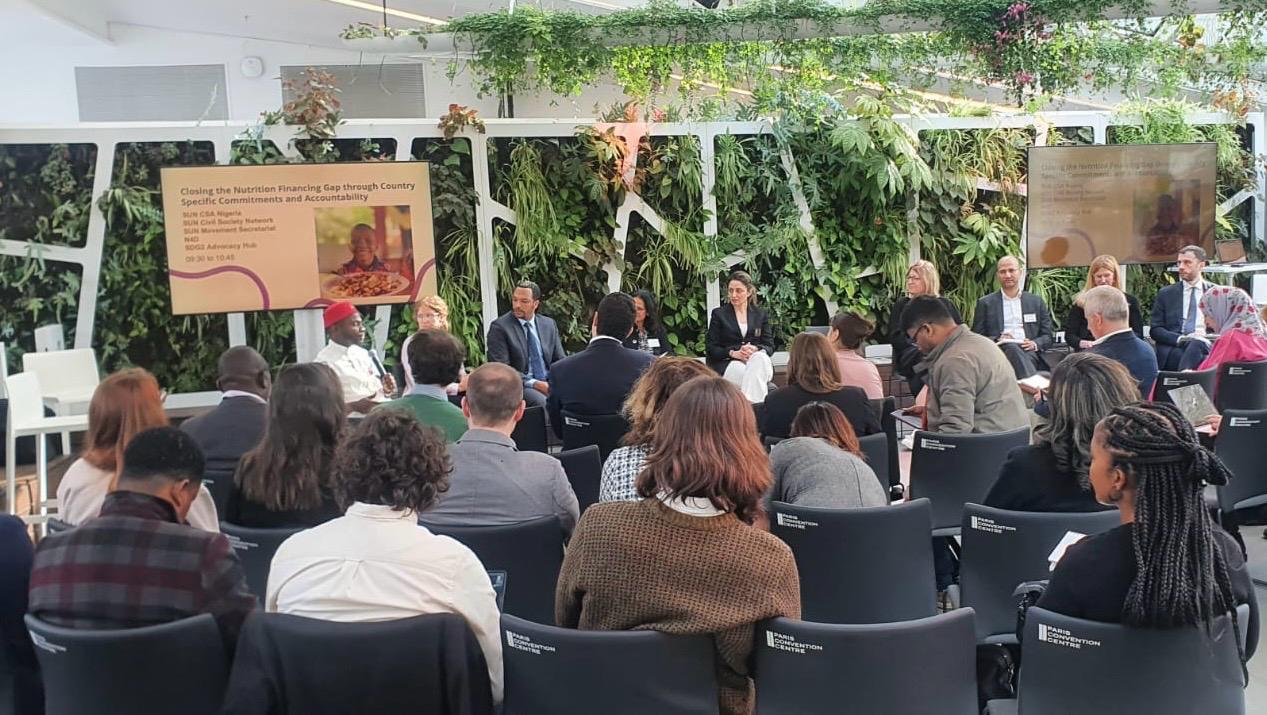
Civil Societies launch a common declaration at Nutrition for Growth Summit (N4G) in Paris 2025
In the margins of the N4G Summit, civil society organisations from across the world gathered for two days in the Civil Society Pavilion to confront pressing challenges in the nutrition landscape and shape a path forward. From these discussions, civil society united behind a set of key recommendations, with over a hundred organisations supporting this […]
Read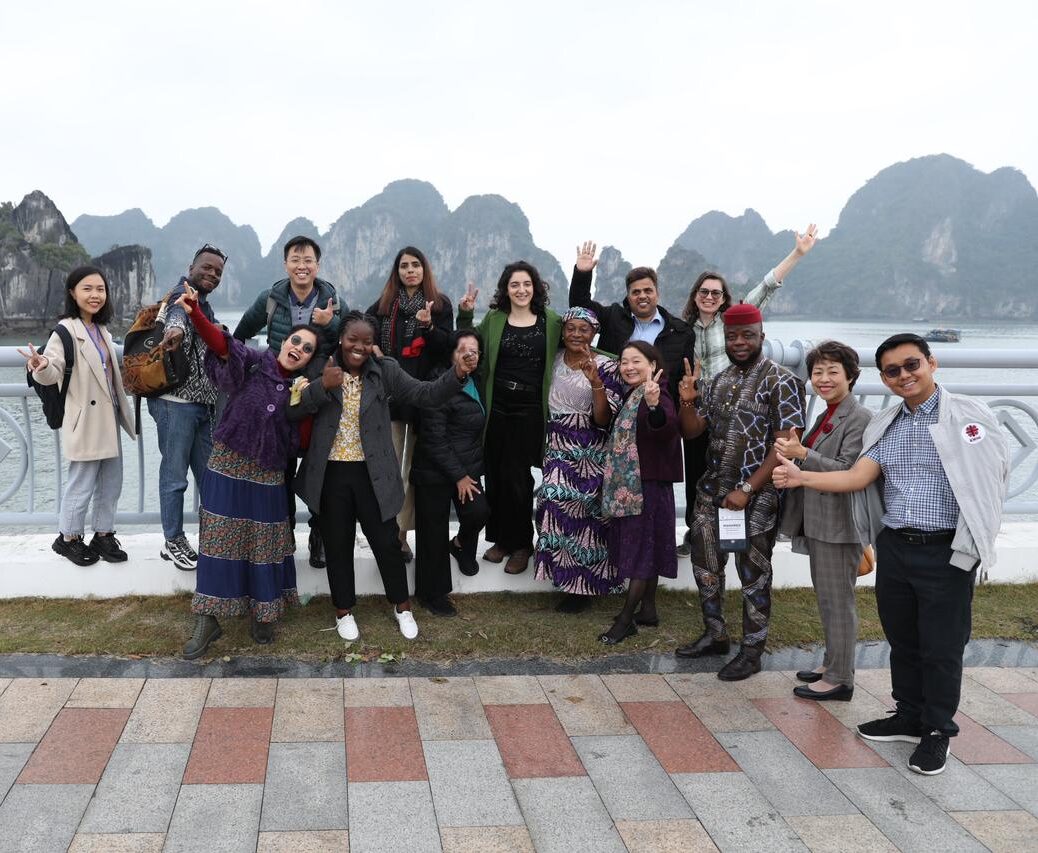
Navigating The Gender Nutrition Frontier
A Personal Reflection on a Training Experience in Vietnam by Kansiime Ruth Praise As I reflect on the transformative journey through “Closing the Gender Nutrition Gap” training organized by the Scaling Up Nutrition Civil Society Network (SUN CSN) in collaboration with Vietnam Civil Society Alliance (CSA), a spectrum of experiences, insights, and cultural immersions flood […]
Read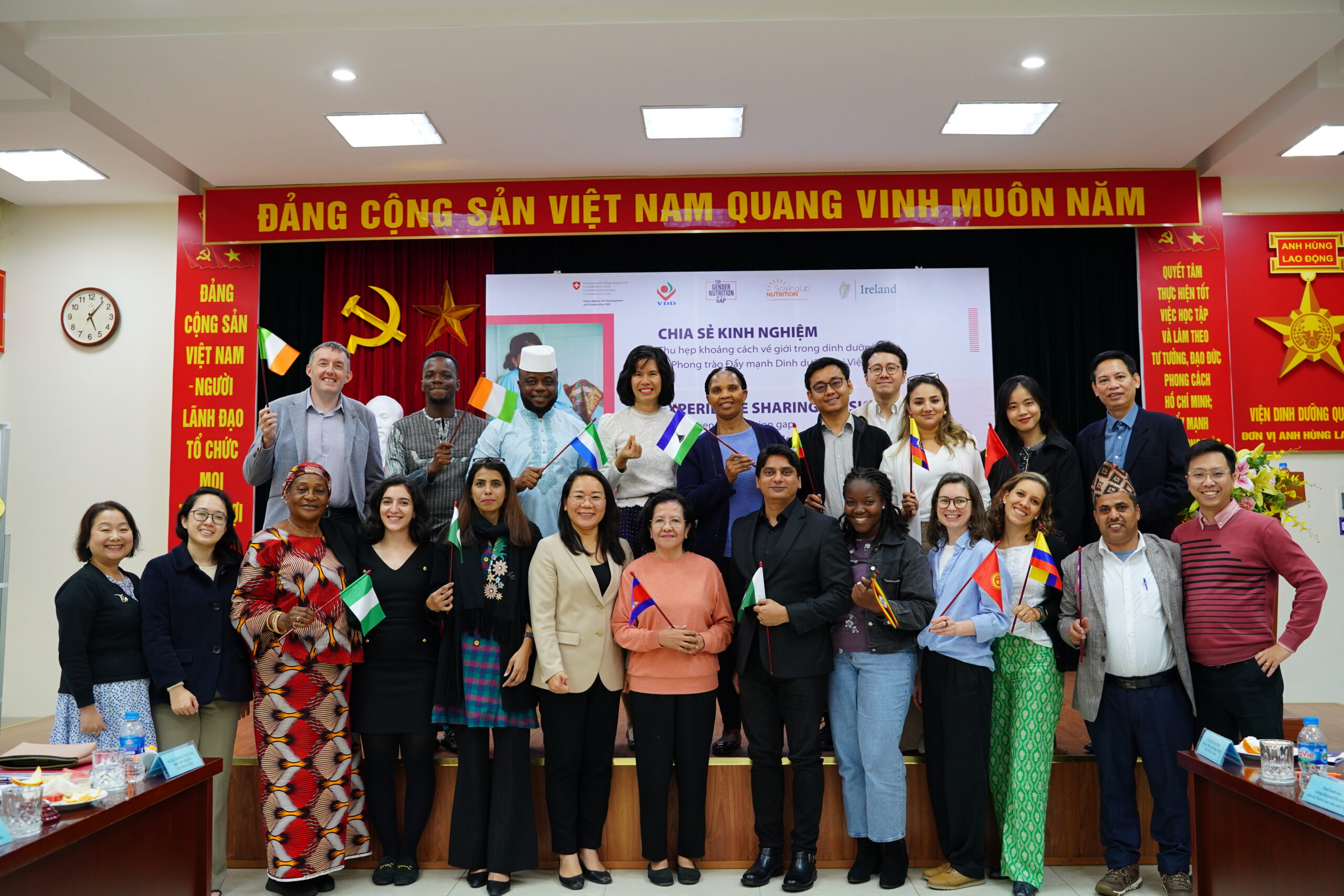
A Timely and Engaging Learning Experience:
A Pakistani Perspective by Kaleem Ullah
Read
Nutrition Sensitive training in the Philippines – A Tale of Experience
A photoblog by Georgine Obwana – CSA Uganda In this ever-changing world, it is necessary to keep updating yourself, your knowledge, and your intellect, to keep up with the continuous growth and development taking place. This is exactly why the one week blended international course on Enhancing Capacities on Nutrition – Sensitive programing (NSP) has […]
Read
The Small Grants Programme Report is here!
Since 2018 SUN CSN has run a small grants programme, which invites interested & eligible CSAs and their members to apply for small grants, to implement and pilot small projects for research or innovation purposes over a 6-month period. Between 2018 – 2022 The SUN CSN Small Grants Programme has run four cycles of funding […]
ReadWe are all accountable
One year on from the Nutrition for Growth (N4G) summit, SUN CSN launches a social accountability campaign to hold stakeholders to account for promises made. The SUN Civil Society Network, along with the support of network members and global partners, want to see that the bold commitments we all made for nutrition become a reality! […]
Read
Get to know the Global Nutrition Cluster Technical Alliance
Who is the GNC Technical Alliance? The Global Nutrition Cluster Technical Alliance exists to provide systematic, predictable, timely, cost-effective and coordinated nutrition technical assistance to help nutrition practitioners meet the nutrition rights and needs of people affected by and at risk of emergencies. We provide expert guidance, learning and training, either remotely, through providing online […]
ReadWho is the GNC Technical Alliance?
The Global Nutrition Cluster Technical Alliance exists to provide systematic, predictable, timely, cost-effective and coordinated nutrition technical assistance to help nutrition practitioners meet the nutrition rights and needs of people affected by and at risk of emergencies.
We provide expert guidance, learning and training, either remotely, through providing online technical support, the deployment of an Advisor or through recommendations of expert nutrition consultants. We support technical requests from developing innovative new approaches to provide remote support, ensuring that all nutrition responses are gender-sensitive, expanding the number, language profile and technical areas of the GNC Technical Alliance Consultant Roster, and working with local organizations and experts to provide an efficient and adapted response to nutrition emergencies.
The GNC Technical Alliance’s goal is to:
- Connect practitioners to the most relevant nutrition resources and guidance
- Answer technical questions
- Deliver in-depth support remotely, or in country
- Develop interim guidance of expert advice on emerging nutrition technical issues
- Develop and disseminate high quality learning.
We provide technical expertise on a wide range of nutrition programming areas including Community-based Management of Acute Malnutrition, Infant and Young Child Feeding in Emergencies, Nutrition Assessments, Social Behaviour Change for nutrition outcomes, Cluster Information Management, Cluster Coordination, Intersectoral Collaboration, Capacity Development and has access to other nutrition in emergencies expertise.
The expertise of our Technical Support Team, 20 TST Partners, and over 150 vetted consultants, allows us to find the most appropriate Advisor for technical request we receive.
Support can be access, by anyone interested in nutrition, via the Request Form. All requests for support, however small, from all types of organisations (including government) should submit requests here, and a response will be received within 72 hours.
National and local organisations are especially encouraged to request support as detailed in a podcast and learning review including an interview with Somali organisation ARDI.
