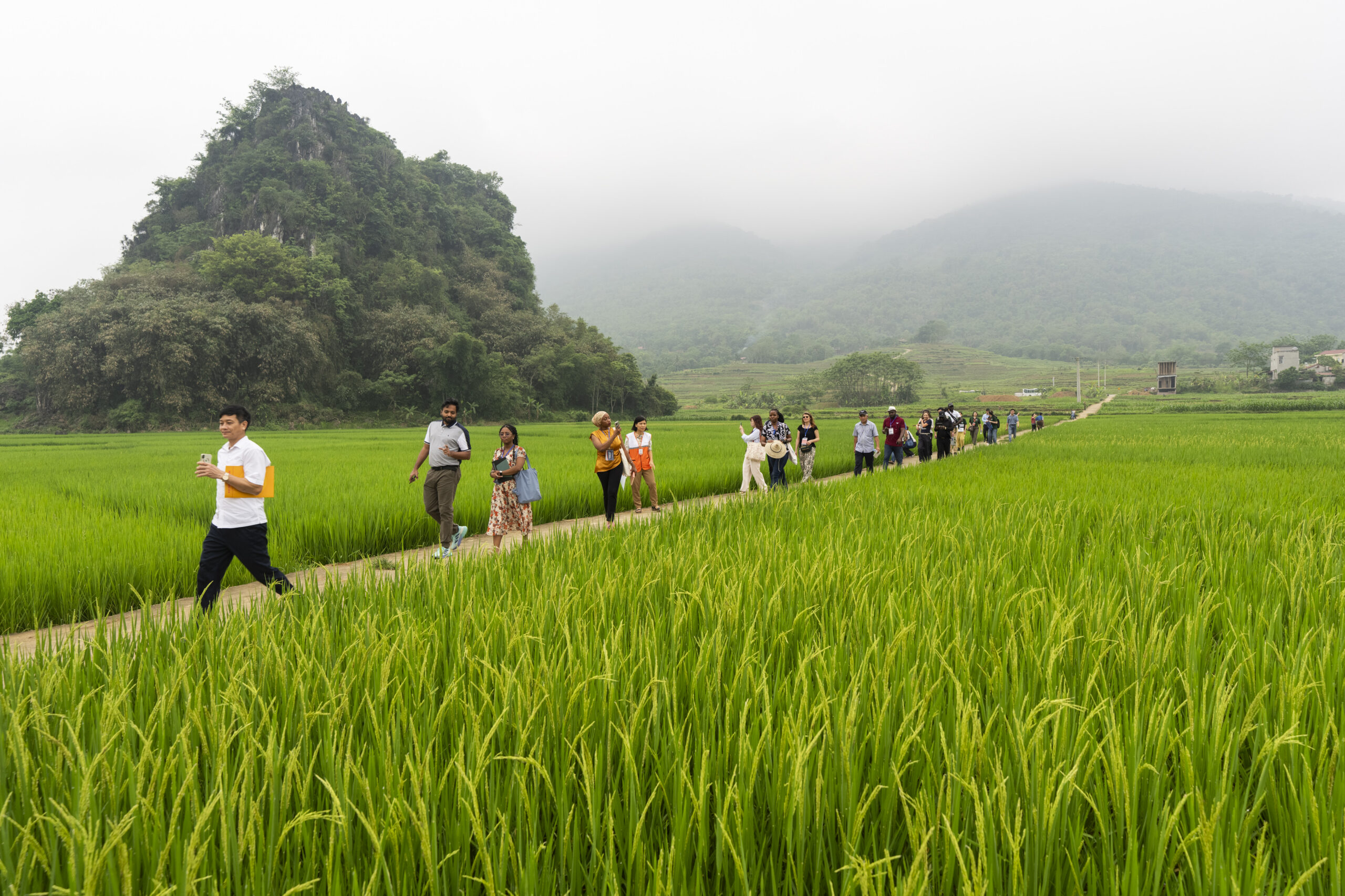
Personal reflections from Yogesh Subedi, Local Initiatives for Biodiversity, Research and Development (LI-BIRD), Nepal From April 13–17, 2026, members of the Scaling Up Nutrition Civil Society Network (SUN CSN) from across Asia, Africa, and Latin America gathered in Hanoi, Viet Nam for an inspiring five-day peer-to-peer learning visit focused on Closing the Gender Nutrition Gap […]
LireToutes les infos Non classifié(e)
Sélectionnez les sujets qui vous intéressent pour filtrer les articles.
Bulletin – Mai 2026
Un bulletin spécial axé sur la vidéo, du Réseau de la Société Civile pour la Nutrition (RSC SUN).
Lire
Bulletin: Mars 2026
Bienvenue dans notre nouveau bulletin ! Le même contenu, dans un format différent – et, pour la première fois, disponible sur le site web du RSC SUN.
Lire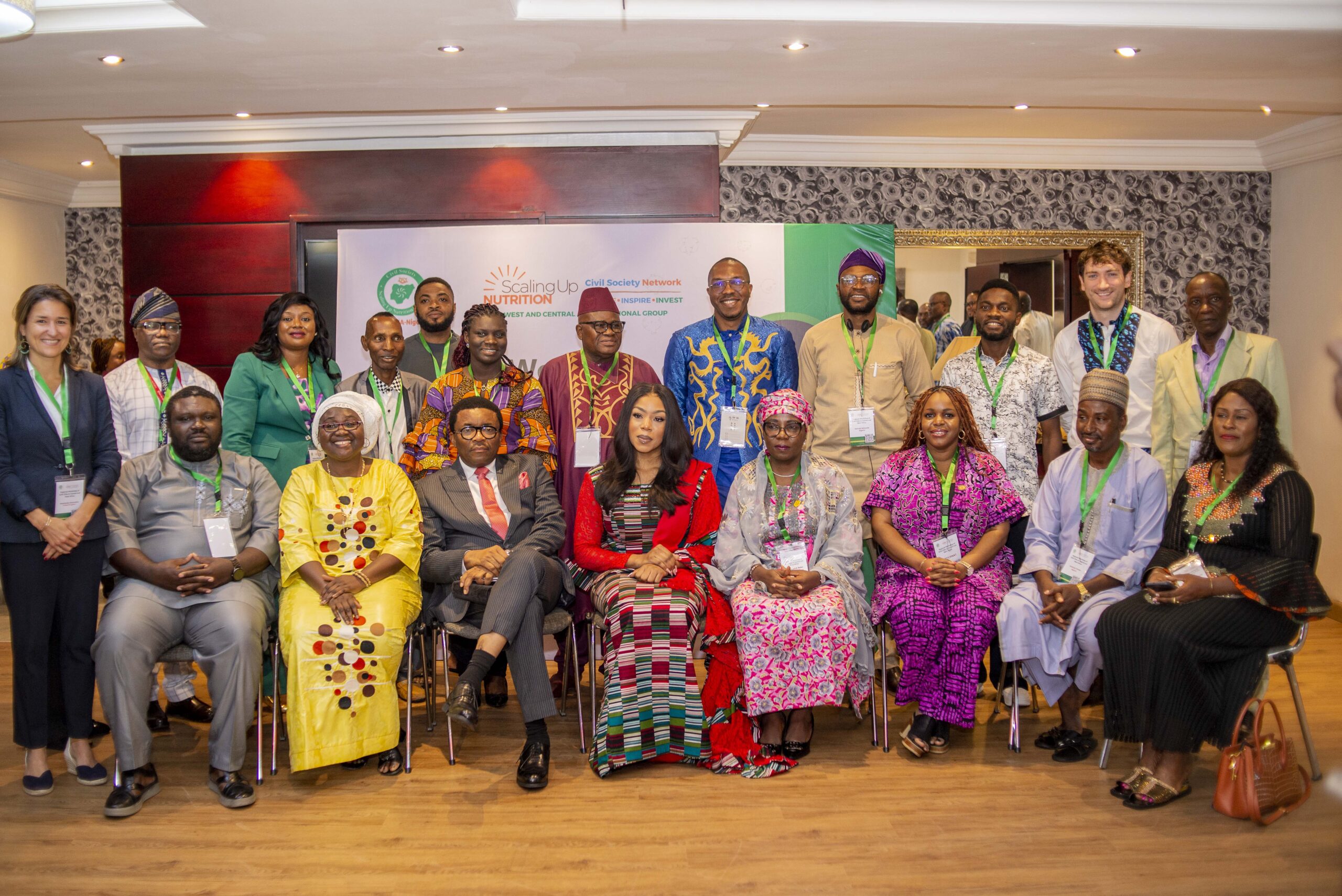
Strengthened, Aligned, Mobilised: SUN Civil Society in West and Central Africa and the Islands issues the Lagos Declaration
Lagos, Nigeria – June 14, 2025 Civil society leaders from 22 countries across West, Central Africa and the Islands (Comoros and Madagascar) (WCAI) came together last week in Lagos, Nigeria for the SUN Civil Society Network’s annual regional meeting — a week of dialogue, learning, and bold action toward nutrition justice. Under the theme “A […]
Lire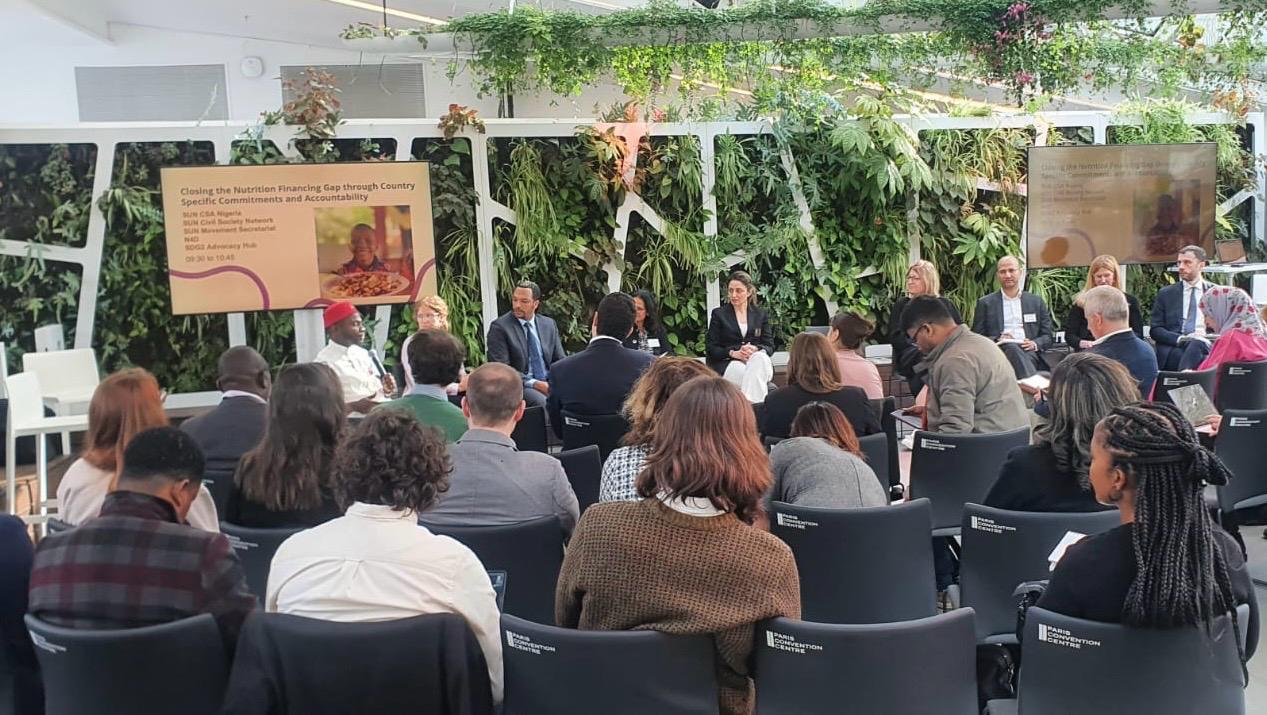
Civil Societies launch a common declaration at Nutrition for Growth Summit (N4G) in Paris 2025
In the margins of the N4G Summit, civil society organisations from across the world gathered for two days in the Civil Society Pavilion to confront pressing challenges in the nutrition landscape and shape a path forward. From these discussions, civil society united behind a set of key recommendations, with over a hundred organisations supporting this […]
Lire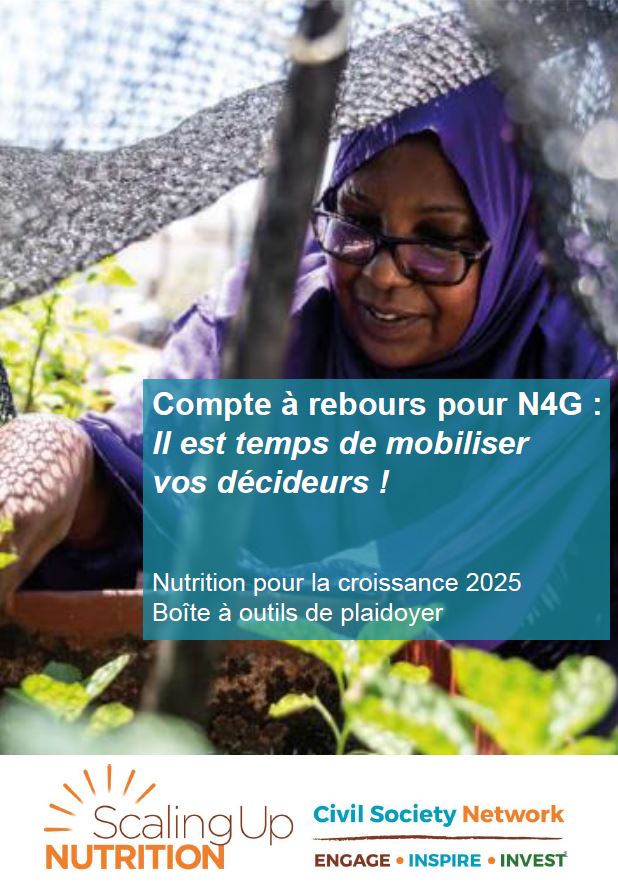
Compte à rebours pour N4G : il est temps de mobiliser vos décideurs !
Le prochain Sommet de la nutrition pour la croissance (N4G) 2025 à Paris représente un moment crucial pour les membres du Réseau de la société civile SUN (RSC SUN) pour façonner l’agenda mondial de la nutrition. Les gouvernements, les donateurs et les parties prenantes se réuniront pour prendre des engagements qui pourraient transformer la lutte […]
Lire
Nourishing equality: Partners recommit to uniting for gender equality and nutrition
Incorporating gender considerations not only improves the heath and well- being of women and adolescent girls but also strengthens entire communities leading to lasting change. Check out this call for action initiative on gender and nutrition here
Lire
Encuentro regional en América latina y el Caribe del Movimiento SUN: Reflexiones de la sociedad civil
15 de diciembre de 2022 En nombre de una líder de jóvenes del Perú y de las 7 alianzas de la sociedad civil SUN (Colombia, Costa Rica, Ecuador, El Salvador, Guatemala, Honduras, Perú) aquí presentes, queremos destacar 5 puntos de reflexión al cerrar este encuentro regional: Vean aquí más información sobre cómo unirse a la […]
Lire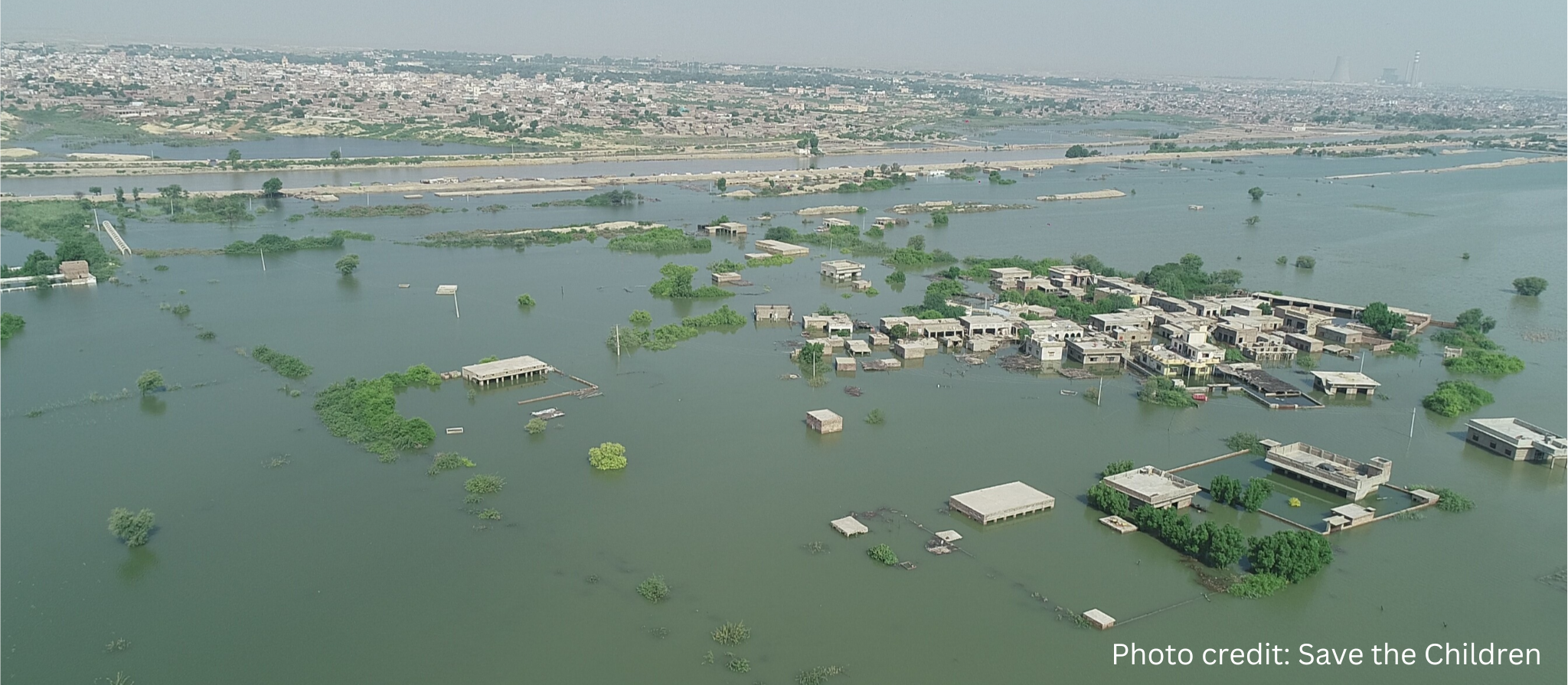
Flooding in Pakistan: Take Action
Extreme flooding in Pakistan has led to over 1500 deaths and left over one third of the country under water. As citizens struggle to find shelter, health conditions and nutrition and food security are worsening. Many of our Civil Society Network member organisations are on the ground delivering life saving support as is our national […]
Lire
Participez à la dernière assemblée du réseau CS !
Notre toute première assemblée virtuelle à l’échelle du réseau a eu lieu en mai dans le contexte des crises mondiales actuelles, qui ont vu les prix des denrées alimentaires augmenter et l’accès à une nutrition adéquate se réduire davantage. Ensemble, les membres du RSC ont discuté de la manière dont les communautés ont été touchées […]
LireEnvoyer un article
Si vous êtes membre d’un Réseau de la société civile SUN et que vous souhaitez partager un article, envoyez-le en remplissant le formulaire de contact et en sélectionnant « Envoyer un article » dans la section « Motif du contact » afin que nous puissions le lire et le publier.
Notre toute première assemblée virtuelle à l’échelle du réseau a eu lieu en mai dans le contexte des crises mondiales actuelles, qui ont vu les prix des denrées alimentaires augmenter et l’accès à une nutrition adéquate se réduire davantage.
Ensemble, les membres du RSC ont discuté de la manière dont les communautés ont été touchées et de ce que nous devons changer dans le système alimentaire mondial pour atténuer l’impact des crises actuelles et futures sur la nutrition mondiale et le droit à une alimentation adéquate.
Le résultat de ces discussions a été regroupé dans un document de travail de la déclaration commune de réseau, avec cinq demandes clés de plaidoyer qui ont émergé de ce processus consultatif avec tous les membres du RSC.
Forts du succès de la première assemblée virtuelle en mai 2022, nous organisons un événement de suivi en réseau pour nous concentrer sur les étapes pratiques nécessaires pour répondre à ces demandes. Pendant et après cet événement, nous avons besoin que les membres du réseau expriment leur intérêt à participer et à diriger des groupes de travail (soutenus par le secrétariat) sur les activités de suivi pour faire avancer ces demandes de plaidoyer.
Inscrivez-vous pour la prochaine assemblée ici
Le 20 septembre à 13h00 UTC, nous accueillerons cette deuxième assemblée où nous diviserons les participants en fonction du domaine qui les intéresse le plus et où nous exposerons ensemble nos plans de plaidoyer pour le RSC. Si vous avez toujours été intéressé par le développement d’une stratégie d’advocacy, ou par la manière dont elle est élaborée, c’est le moment !
Nous nous appuierons sur les nombreux travaux remarquables que chacun met en œuvre dans le monde entier et tirerons les leçons des expériences de chacun. Afin de créer cette discussion riche et épanouissante, nous avons besoin de votre avis !
Cette enquête vous demande votre préférence parmi les cinq demandes et aidera à déterminer sur quel domaine de discussion chacun veut se concentrer. Il s’agit de savoir ce qui se passe déjà dans ces domaines dans votre pays, et c’est l’occasion pour vous de partager tout travail de plaidoyer et de programmation étonnant que vous réalisez afin de favoriser les apprentissages entre pairs que nous espérons avoir lors de l’assemblée virtuelle.
Remplissez l’enquête et encouragez vos collègues membres du CSN à faire de même, car cela rendra nos discussions beaucoup plus fructueuses. Si vous, ou quelqu’un que vous connaissez, voulez aller plus loin et vous porter volontaire pour co-animer l’événement, contactez-nous ici !
Nous espérons que les membres qui participeront à l’enquête et à la prochaine assemblée virtuelle seront les premiers à s’approprier les revendications communes de plaidoyer et auront la première chance de signer la déclaration au nom de leur ASC ou de leur organisation.
Nous avons résumé ci-dessous chacune des demandes de plaidoyer pour en faciliter l’accès.
- Plaidant pour que tous les pays fassent tout leur possible, en utilisant toutes les ressources disponibles, pour satisfaire à leurs obligations de faire respecter le droit à l’alimentation et de garantir l’accès à la nutrition
- Plaidoyer pour que les gouvernements nationaux investissent dans des politiques et des programmes relatifs aux systèmes alimentaires locaux.
- Plaidoyer en faveur d’une législation visant à minimiser l’impact de la spéculation sur les prix des produits de base et la domination des multinationales sur nos systèmes alimentaires.
- Plaider en faveur de mécanismes tels que l’allègement ou l’annulation de la dette qui permettraient aux pays à faible revenu et endettés d’augmenter les dépenses publiques consacrées aux interventions nutritionnelles.
- Plaidoyer pour que tous les acteurs de la nutrition honorent les engagements qu’ils ont pris lors du N4G et dans les parcours nationaux de transformation des systèmes alimentaires.
Vous pouvez lire la version complète et finale de la déclaration et des demandes de plaidoyer en cliquant ici.
N’oubliez pas de vous inscrire pour garantir votre place à l’assemblée !
