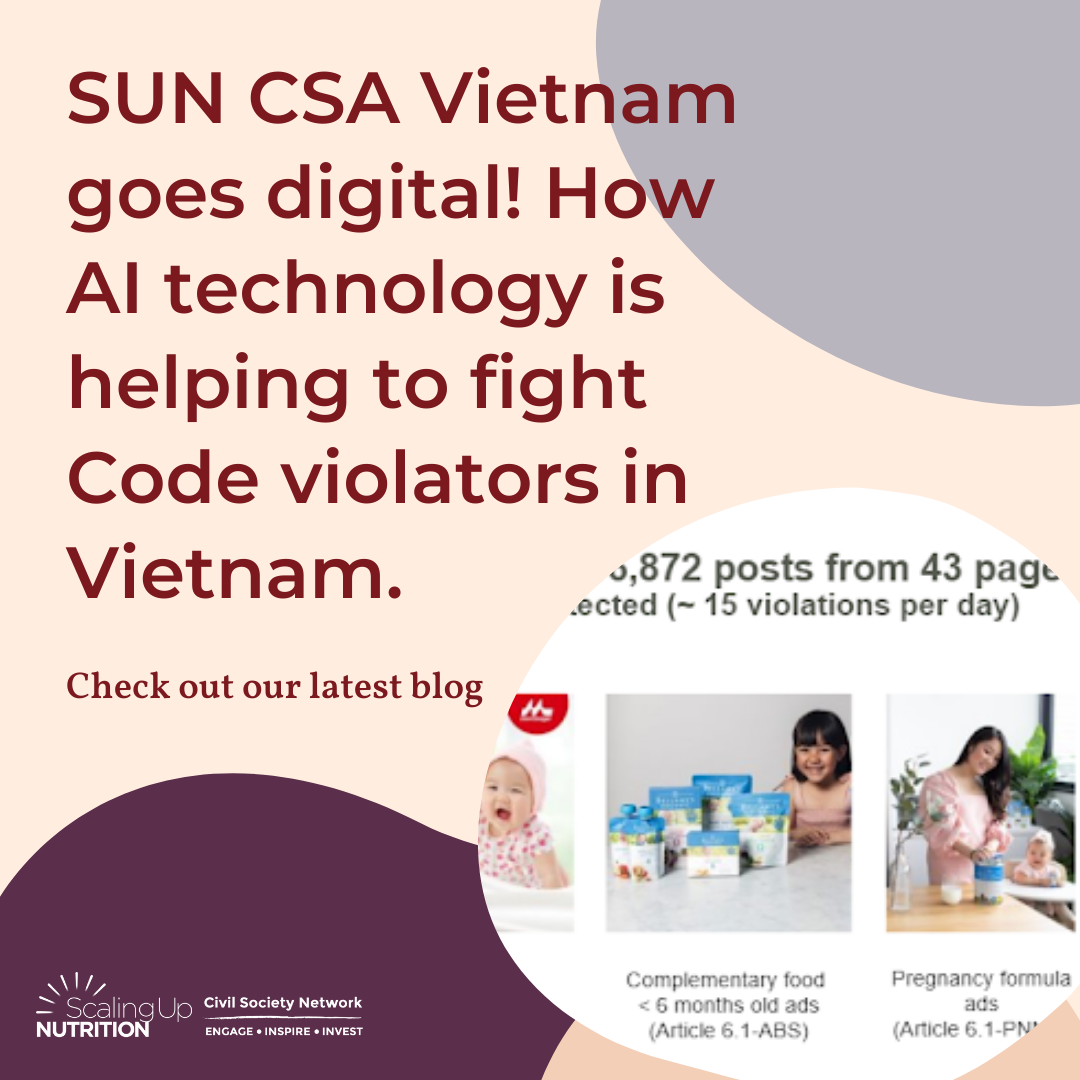
Our Civil Society Alliance in Vietnam, led by Alive & Thrive, and thanks to FHI Solutions’ Innovation Incubator, have teamed up with artificial intelligence (AI) company Hekate. Their aim? To try and end exploitative marketing of commercial milk formula and related products within the scope of the BMS code, on the digital frontline. Hekate, a […]
LeerTodas las noticias sobre la región Asia
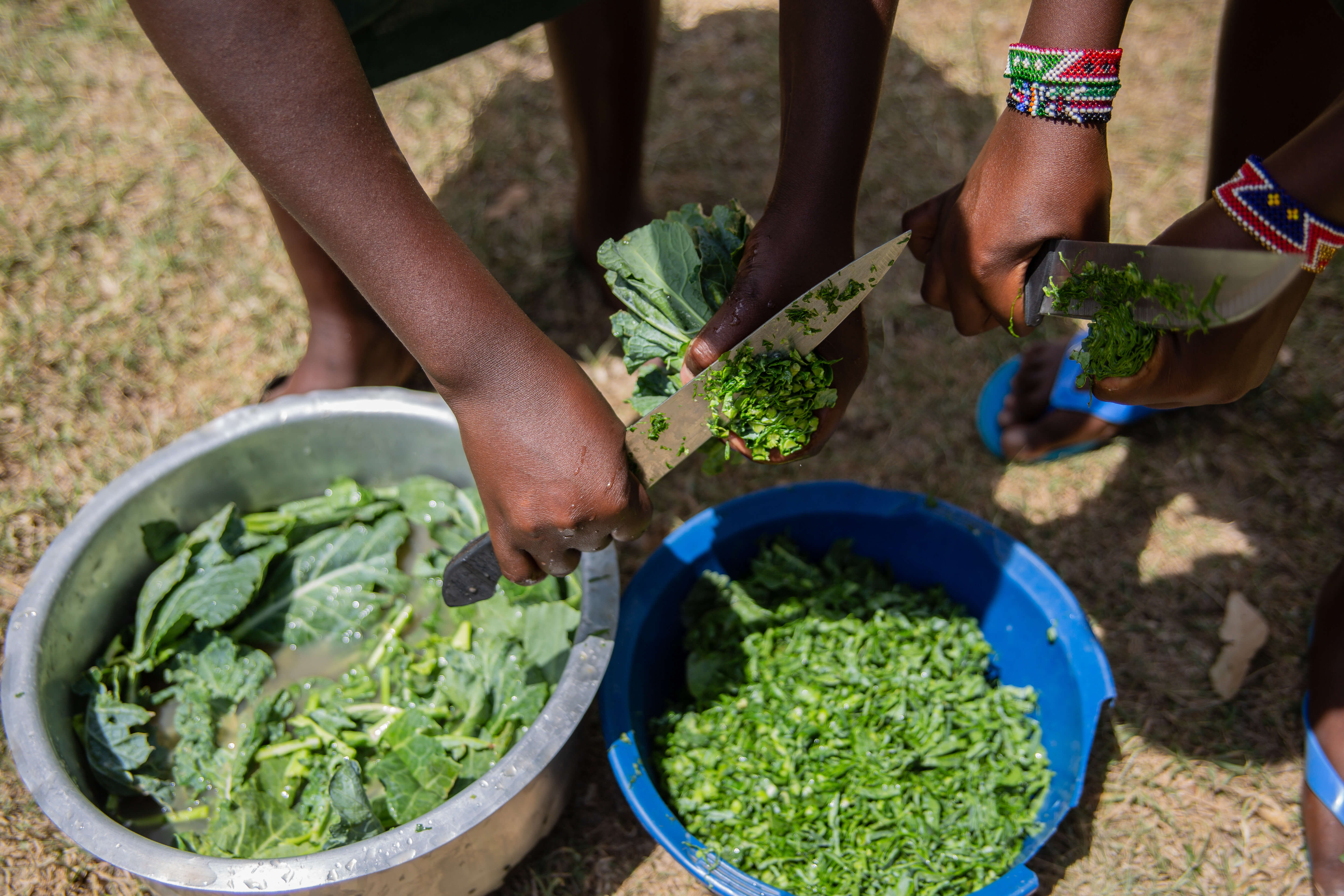
Ukraine conflict highlights the fragility of the global food system and will have damaging impact on nutrition of the most vulnerable, warns SUN Movement’s Civil Society Network.
Members of the SUN Movement’s Civil Society Network are already reporting food shortages and escalation in prices due to the ongoing conflict in Ukraine, which will have knock-on effects on the state of nutrition globally. The Russian Federation and Ukraine are among the most important producers of agricultural commodities in the world. Organisations such as […]
Leer
Thematic Briefs: Asia Regional Coordination Group
SUN Civil Society Asia Coordination Group (ACG) was established during a CSN capacity building meeting in Indonesia to enable continued sharing of knowledge and collaboration. Currently, 13 civil society alliances, with over 1200 members, including Bangladesh, Nepal, Cambodia, Myanmar, Pakistan, Kyrgyzstan, Philippine, Indonesia, Sri Lanka, Laos, Afghanistan, PNG and Vietnam are members of ACG and […]
LeerOutcome Stories: Asia Regional Coordination Group
SUN Civil Society Asia Coordination Group (ACG) was established during a CSN capacity building meeting in Indonesia to enable continued sharing of knowledge and collaboration. Currently, 13 civil society alliances, with over 1200 members, including Bangladesh, Nepal, Cambodia, Myanmar, Pakistan, Kyrgyzstan, Philippine, Indonesia, Sri Lanka, Laos, Afghanistan, PNG and Vietnam are members of ACG and […]
LeerInternational Women’s Day: Women in Food Systems with Zuhra Dadgar-Shafiq
Do you feel that food systems support you as a woman? Women have a prominent role all across the value chain of the food system, for instance as farmers and food producers, merchandisers, educators, cooks, servers, and leaders of food organizations. Food systems enhance women participation and benefits they receive through improved access to resources […]
LeerInternational Women’s Day: Nov Nouket talks Food Systems and Food Security in Cambodia
First of all, I would like to introduce myself, my name is Nov Nouket, I am coordinator of the People Centered Feeding Systems project by IIRR-Cambodia. 2014, IIRR started a big project in Kandal province, Cambodia. This project was financed by IIRR Newman’ Own Foundation (NOF) and Latter-Day Saints. Since then, IIRR has worked with […]
Leer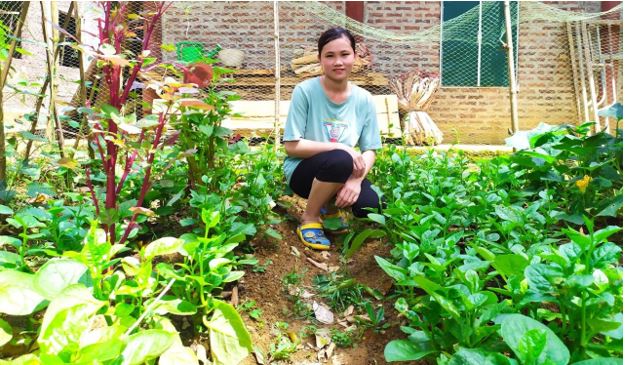
International Women’s Day: Women as a change agent in ensuring food security
Women in Food Systems: A story by HKI Vietnam Bui Thi Hoai, a young Muong mother in Chi Dao commune shared that after two years of attending the Enhanced Homestead Food Production project, she has gained lots of new knowledge about nutrition and agriculture, that she never known before. Thanks to the monthly communication sessions and […]
Leer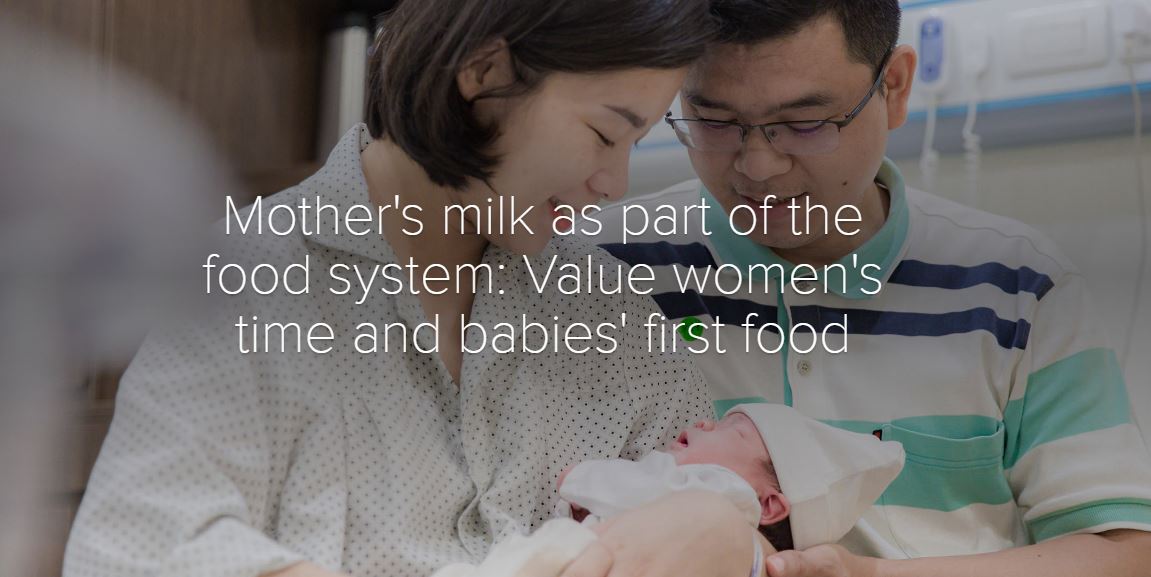
International Women’s Day: Mother’s milk as part of the food system
I’m Linh – a breastfeeding mother. I am lucky to have a full house with two beautiful daughters in Hanoi, Viet Nam, both of whom were exclusively breastfed. I start each day happily breastfeeding my seven-month-old baby. Breast milk is the #firstfood, the perfect source of nutrition for babies in the first two years and […]
LeerLife under the Taliban: Obstacles faced in Afghanistan
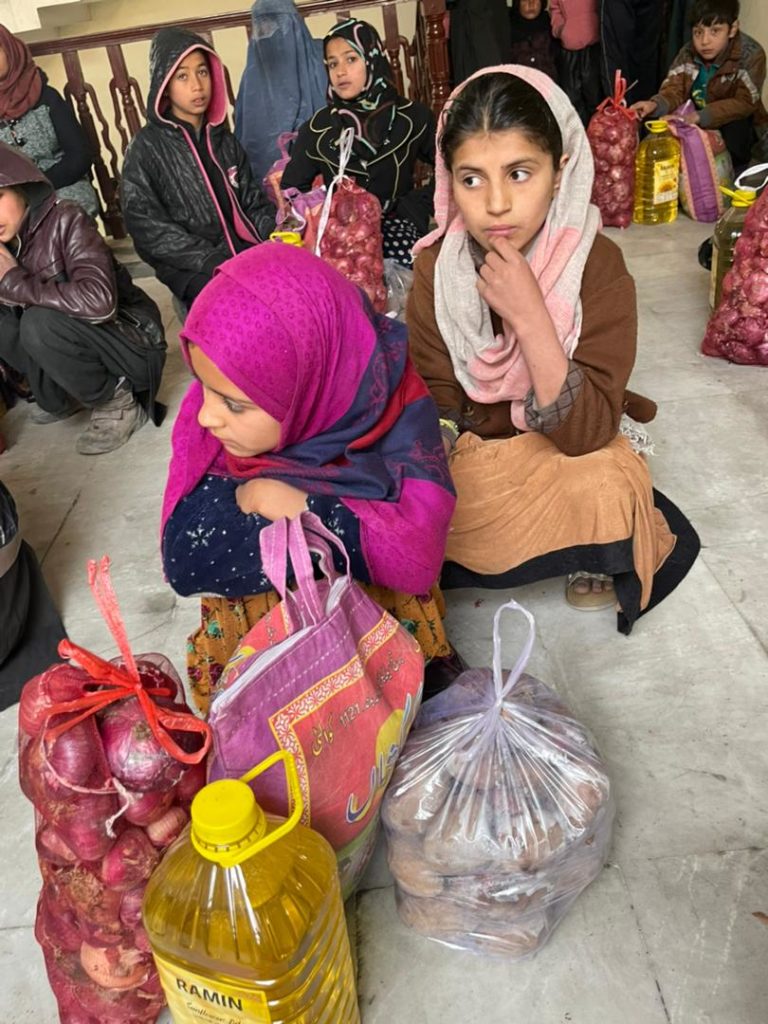
Part 4: Being a child in Afghanistan Written by Zuhra Dadgar-Shafiq, Programme Director and Co-Founder of Action for Development who provide vital health and education services in Afghanistan to the most marginalized and vulnerable individuals through cost-effective, cascade-model projects that allow for community participation and empowerment. Afghanistan has been struggling with conflict for over 40 years. The situation […]
Leer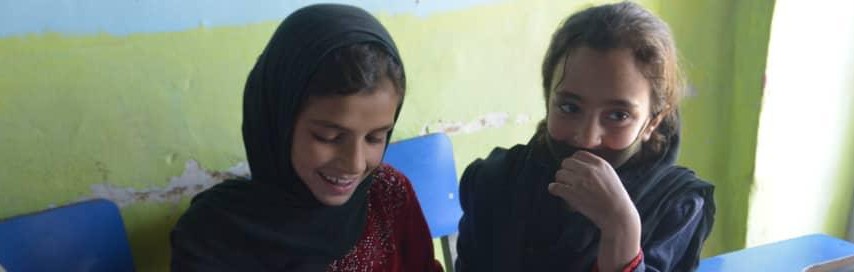
Life under the Taliban: Obstacles faced in Afghanistan
Part 3: Rising food prices Written by Zuhra Dadgar-Shafiq, Programme Director and Co-Founder of Action for Development who provide vital health and education services in Afghanistan to the most marginalized and vulnerable individuals through cost-effective, cascade-model projects that allow for community participation and empowerment. Afghanistan has been struggling with conflict for over 40 years. The […]
LeerPart 3: Rising food prices
Written by Zuhra Dadgar-Shafiq, Programme Director and Co-Founder of Action for Development who provide vital health and education services in Afghanistan to the most marginalized and vulnerable individuals through cost-effective, cascade-model projects that allow for community participation and empowerment.
Afghanistan has been struggling with conflict for over 40 years. The situation has recently been exacerbated due to the dire political context and the takeover of the Taliban resulting in social, economic and political instability in the country that has left many people in extremely poor conditions. Currently, it is expected that around 55% of the population (almost 20 million people) will be in food crisis emergency phase 3 and 4 . The WFP has confirmed that one in two people in Afghanistan do not have enough to eat at least once a day.
In addition to the ongoing protracted conflict, the climatic conditions add a burden to the agriculture sector that is suffering from limited investment and low productivity. The food crisis is on the rise caused by the extreme poverty conditions and extreme weather and climatic conditions. Poor pasture conditions and high food prices driven by drought have left over three million livestock at critical risk during winter and has already resulted in increased distress livestock sales. Climate change has caused declining precipitation, putting additional pressure on water resources already strained from population growth. In addition to the drought, more than 29,000 people in 13 provinces were affected by other natural disasters– mostly floods.
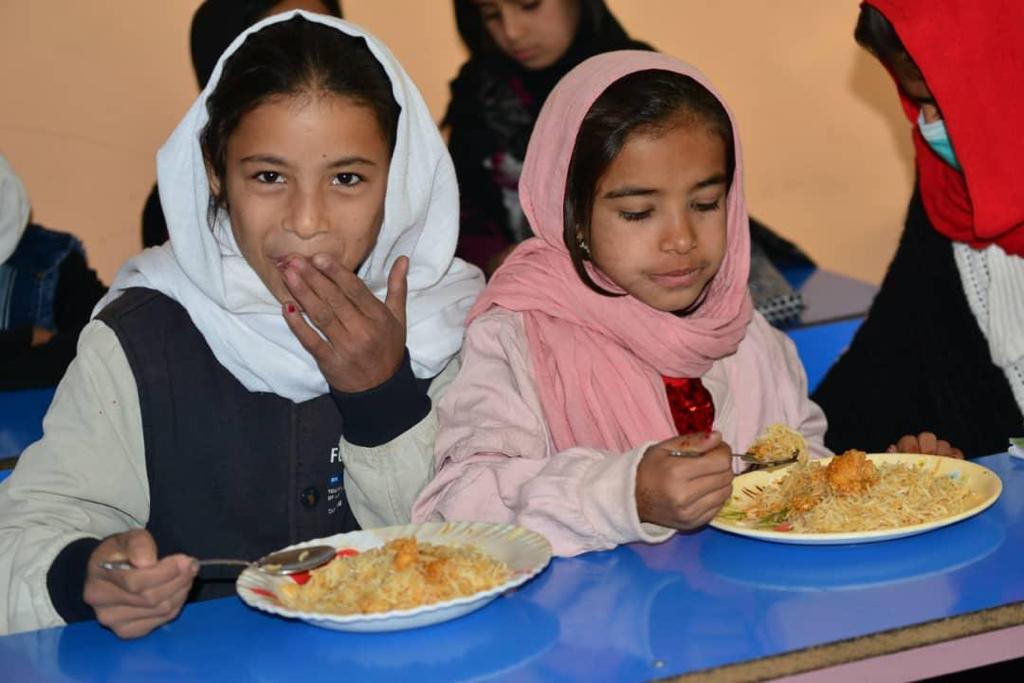
Wheat is the main food for most Afghans, comprising more than 70 percent of their diet. Low-quality rice is a poor, but sometimes necessary, substitute. However, prices for these main food items have more than tripled.
In addition, the average food basket cost had increased by 22 per cent between June and October 2021 alone due to conflict and covid. However, after the takeover of government the costs of immediate food items have increased enormously and are likely to increase even further with the current economic crisis, inflation and cash restrictions Afghanistan is facing. As a result, households will be less likely to purchase food, leading to a further increase in hunger and malnutrition.
The poverty previously was mainly in the rural areas, however, with the loss of jobs, women being unable to get employed, continue their businesses and education (women represent 50% of the population) and as most of them are widows, they are in immense need of support.