
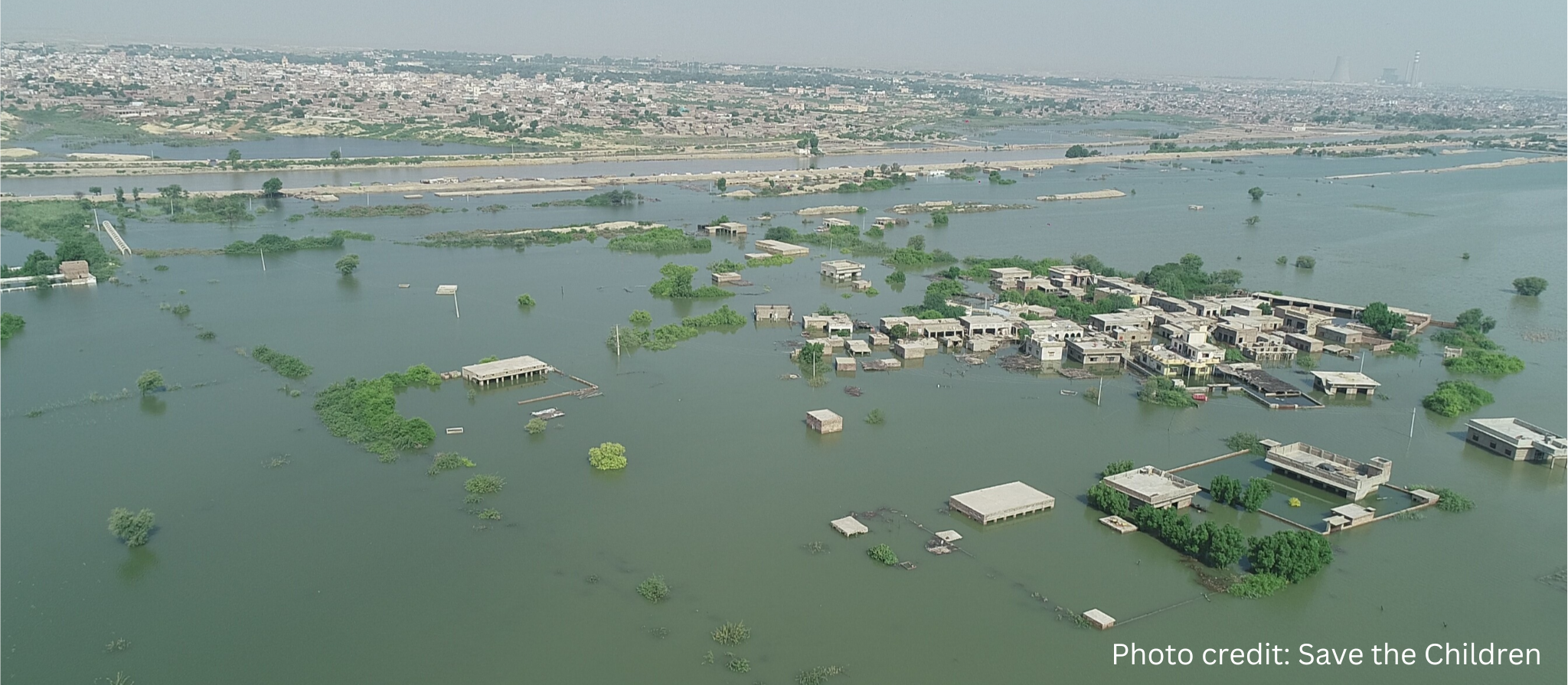
Flooding in Pakistan: Fears for Nutrition and Food Security Devastating flooding in Pakistan has swept away crops and stockpiles and left large areas of farmland under water, deteriorating the precarious food and nutrition security in the country. The communities who were already living on the edge now need to cope with this sudden shock of […]
LeerTodas las noticias sobre la región Asia
The system is broken, now what? Five things we can do to make our advocacy demands a reality.
This September 2022, our members gathered again for a Virtual Assembly, the second of its kind. The objective was to agree upon the practical steps to deliver on a set of advocacy demands that emerged through a consultative process after our first virtual assembly. With the overarching goal to mitigate the impact of ongoing and […]
LeerFlooding in Pakistan: Take Action
Extreme flooding in Pakistan has led to over 1500 deaths and left over one third of the country under water. As citizens struggle to find shelter, health conditions and nutrition and food security are worsening. Many of our Civil Society Network member organisations are on the ground delivering life saving support as is our national […]
Leer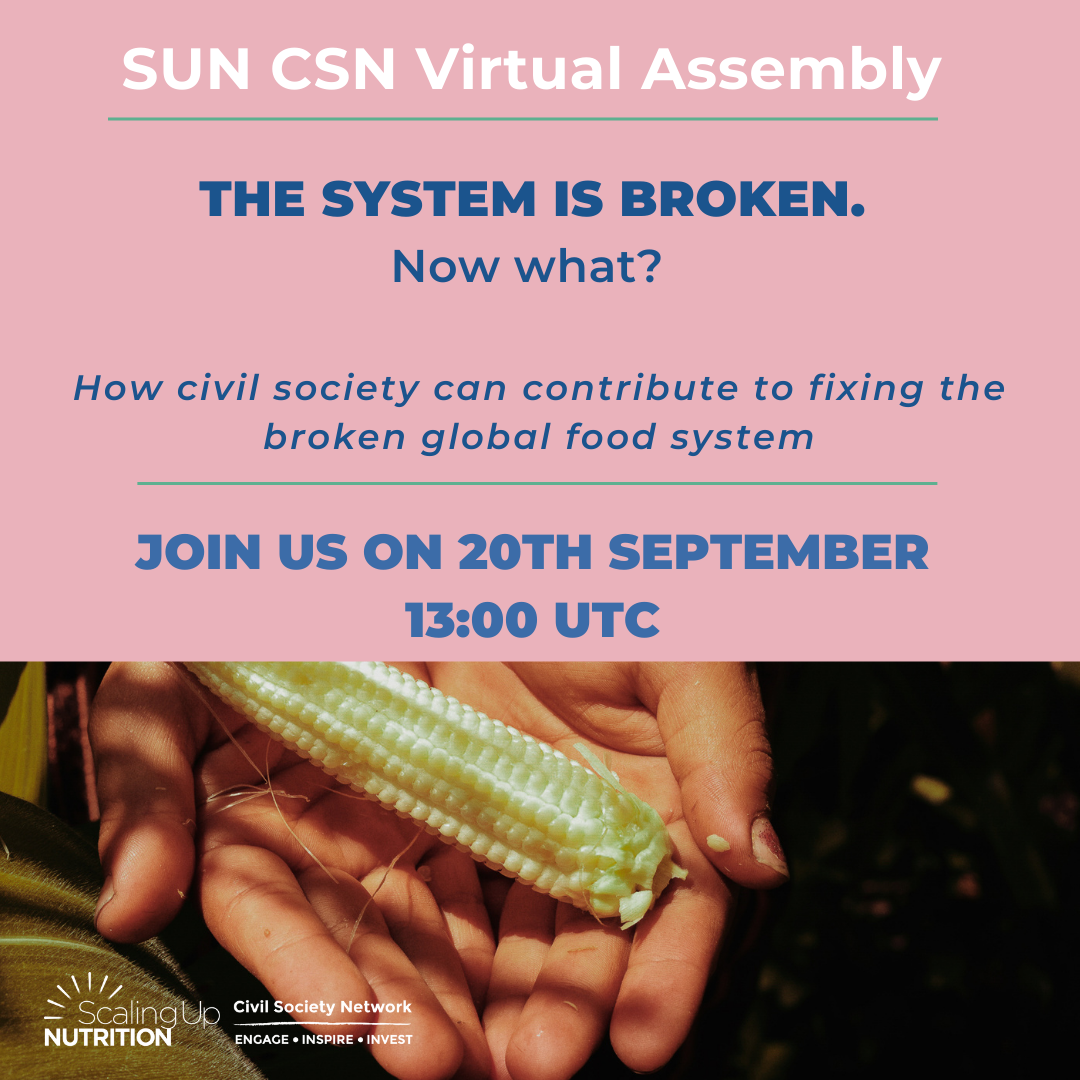
Participa en la última asamblea de la Red SC
Nuestra primera Asamblea Virtual de la red se celebró en mayo con el telón de fondo de las actuales crisis mundiales, que han visto aumentar los precios de los alimentos y disminuir aún más el acceso a una nutrición adecuada. Juntos, los miembros de la RSC debatieron cómo se han visto afectadas las comunidades y […]
LeerGet Involved with the Latest CS Network Assembly!
Our first ever network-wide Virtual Assembly took place in May against the backdrop of ongoing global crises, which have seen food prices rise and access to adequate nutrition further diminished. Together, CSN members discussed how communities have been impacted and what we needed to change in the global food system to mitigate the impact of […]
Leer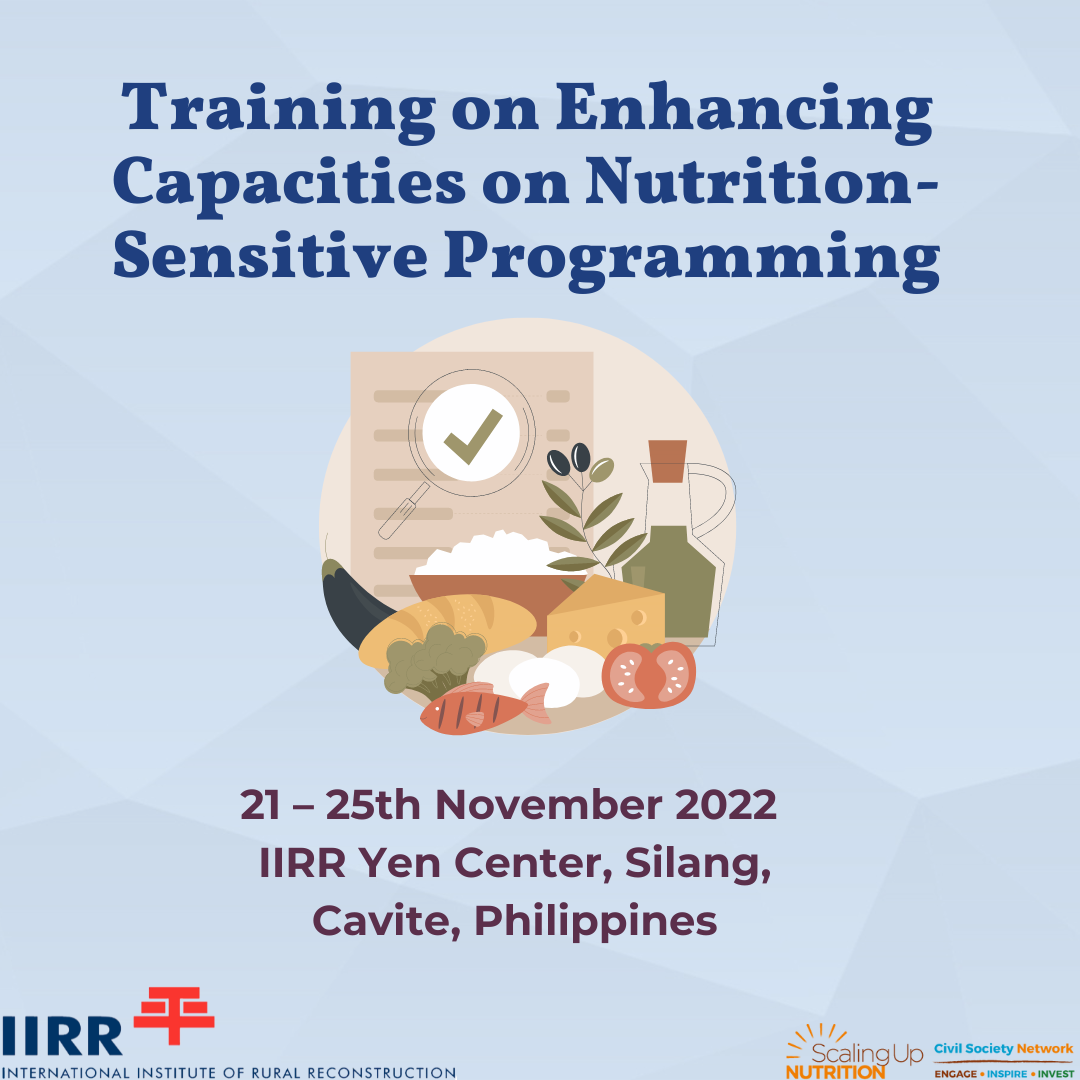
Training on Enhancing Capacities on Nutrition-Sensitive Programming
November 15-16th 2022 (virtual) 21 – 25th November 2022 (in-person) IIRR Yen Center, Silang, Cavite, Philippines Application deadline: 27th September Malnutrition and hunger continue to afflict children and adults alike across the world, affecting their growth, development, and productivity. If unaddressed, undernutrition has serious short and long-term consequences for a child’s development. Access to, and […]
Leer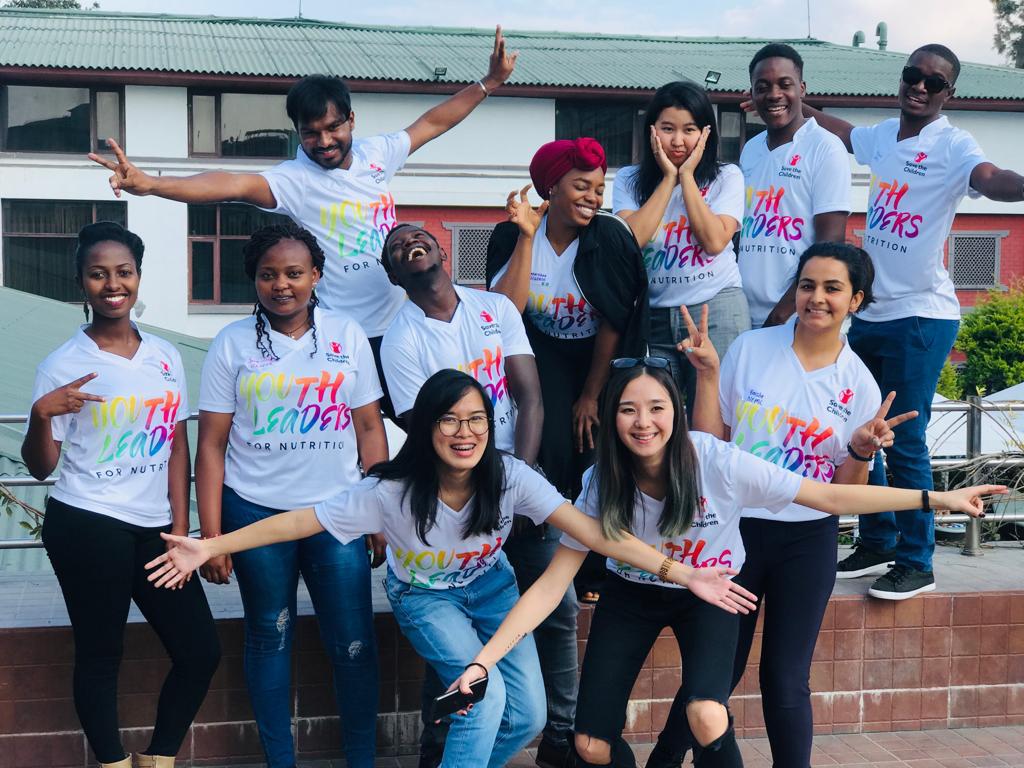
¡Un nuevo capítulo para el liderazgo de los jóvenes en materia de nutrición para el SUN RSC!
Este año, el Secretariado de la RSC de SUN está muy entusiasmado con el lanzamiento de la siguiente fase del exitoso Programa de Líderes Jóvenes por la Nutrición, e invitamos a todos los miembros de la RSC a unirse a nosotros para reclutar a la próxima generación de jóvenes agentes de cambio en materia de […]
Leer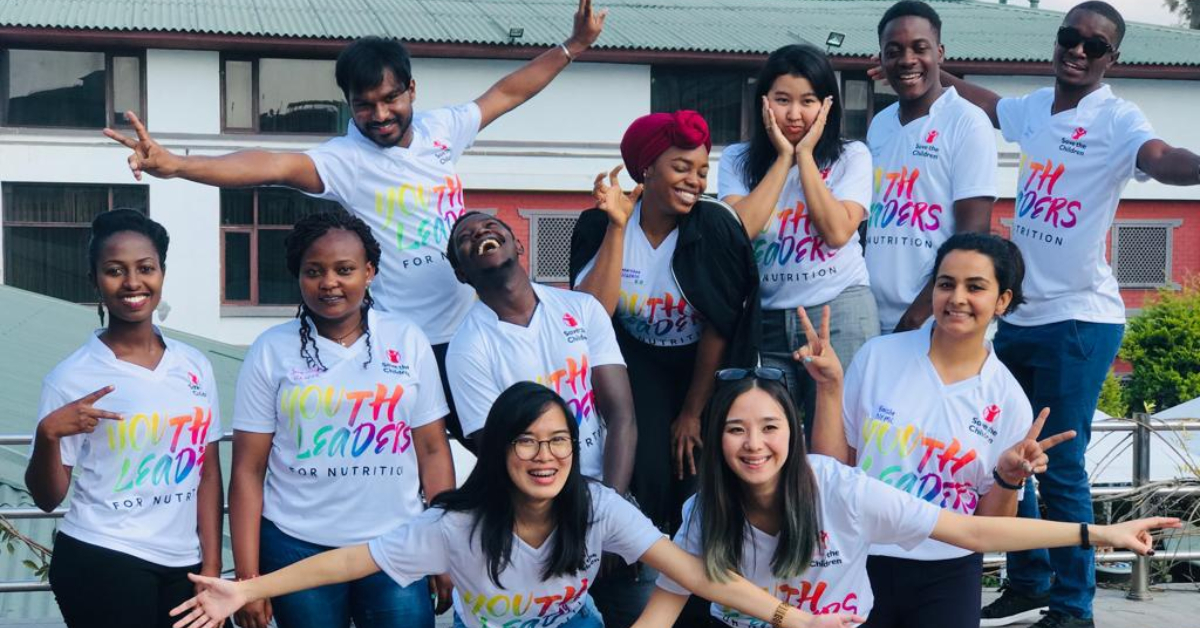
A new chapter for youth leadership on nutrition for the SUN CSN!
This year, the SUN CSN Secretariat is very excited to be launching the next phase of the successful Youth Leaders for Nutrition Program, and we’re inviting all CSN Members to join us in recruiting the next generation of young change-makers on nutrition. What does this new phase look like? Previously, the SUN CSN has supported […]
Leer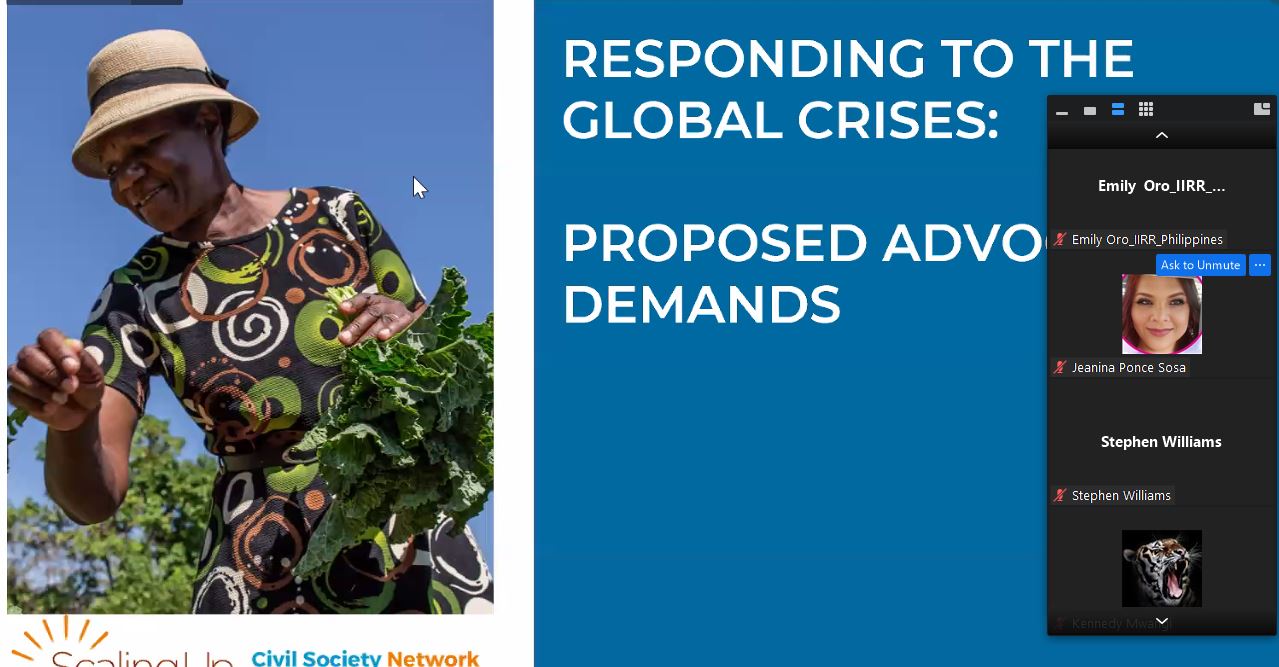
Three things we learnt from the first Civil Society Network assembly
This week saw over 60 members of the SUN Movement’s Civil Society Network (CSN) come together from countries all around the globe in the first ever network-wide assembly to discuss experiences and solutions surrounding the current global food crisis and to create tangible advocacy demands as a network. The discussion was full of ideas and […]
Leer
The SUN CSN to host its first network-wide assembly on global crises
Summary The Civil Society Network Secretariat (CSNS) plans to organise a series of meetings with CSN Members to come together and share experiences and perspectives on how the global commodity price increases are impacting nutrition in different contexts. The event on May 25th will be offered as the first of an ongoing series of global […]
Leer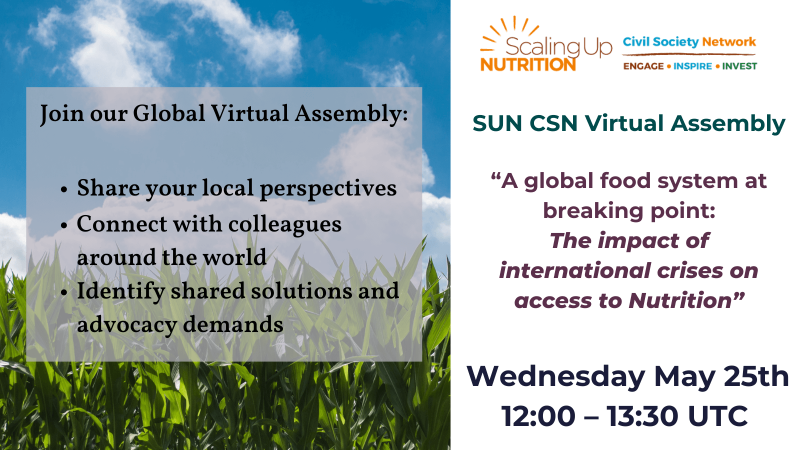
Summary
The Civil Society Network Secretariat (CSNS) plans to organise a series of meetings with CSN Members to come together and share experiences and perspectives on how the global commodity price increases are impacting nutrition in different contexts.
The event on May 25th will be offered as the first of an ongoing series of global assemblies to engage CSN Members and maintain a direct line of communication between sub-national CSN Members, CSAs, Regional Coordinators, and the CSN Secretariat. The objective of this series is to root CSN Advocacy in SUN countries’ realities and arrive at a set of joint policy demands that would address the current crisis as well as the longer-term issues at stake to mitigate and absorb future shocks in the global food system.
Context
Recent shocks to the global economy, including the ongoing Covid-19 pandemic and extreme weather events related to climate change had already exposed the fragility of our global food system. Now the war in Ukraine is threatening to spur a “hurricane of hunger and a meltdown of the global food system” as per the words of UN Secretary-General Antonio Guterres. The Russian Federation and Ukraine are among the most important producers of agricultural commodities in the world and many Civil Society Alliances are based in countries which rely heavily on these two countries for staple foods.
In addition of exports being blocked, there is concern about this year’s harvest as the war rages on during the sowing season. The situation is exacerbated by food speculation – and the overdependence of developing countries on food imports and farming inputs exposes them to price volatility. Higher costs of food production will be carried through to consumers in the form of rising food prices in a context where nutrition security for all is already a major challenge.
Rising food prices are only one aspect of the cost-of-living crisis. With the price of everything going up, including fuel and electricity, household budgets are being squeezed from every angle. This is leaving families with less money to spend on nutritious food. Inevitably, the most vulnerable members of society on the lowest incomes are paying the heaviest price for this as they go hungry and are forced to sacrifice nutritious food to pay for every other basic need.
Our Response
The CSNS will convene CSN Members in an open forum to share the experiences, perspectives, and policy demands from civil society in SUN countries. This will be a semi-formal event with most contributions being made by CSN Members and the CSNS acting as facilitators.
Participants will be invited to share their views either through a timed verbal intervention, or by contributing to a shared open document capturing the broad range of perspectives.
The event will conclude with a summary of the issues raised and a discussion around the shared demands of global decision-makers to ensure that the right to nutrition is protected from ongoing (and future) price rises.
The CSNS will share follow-up communications to finalise agreement between CSN stakeholders on the joint advocacy demands, to suggest next steps for the national and local levels, and to signpost to the next global CSN assembly. The CSN secretariat will also ensure the joint advocacy demands are made public and circulated to important decision-makers at global level.
Speakers
Moderator: Irshad Danish, regional coordinator for the Asia regional group and chair of the SUN CSN Steering Group
Opening remarks: Webster Makombe, Youth Leader for Nutrition Zambia
