
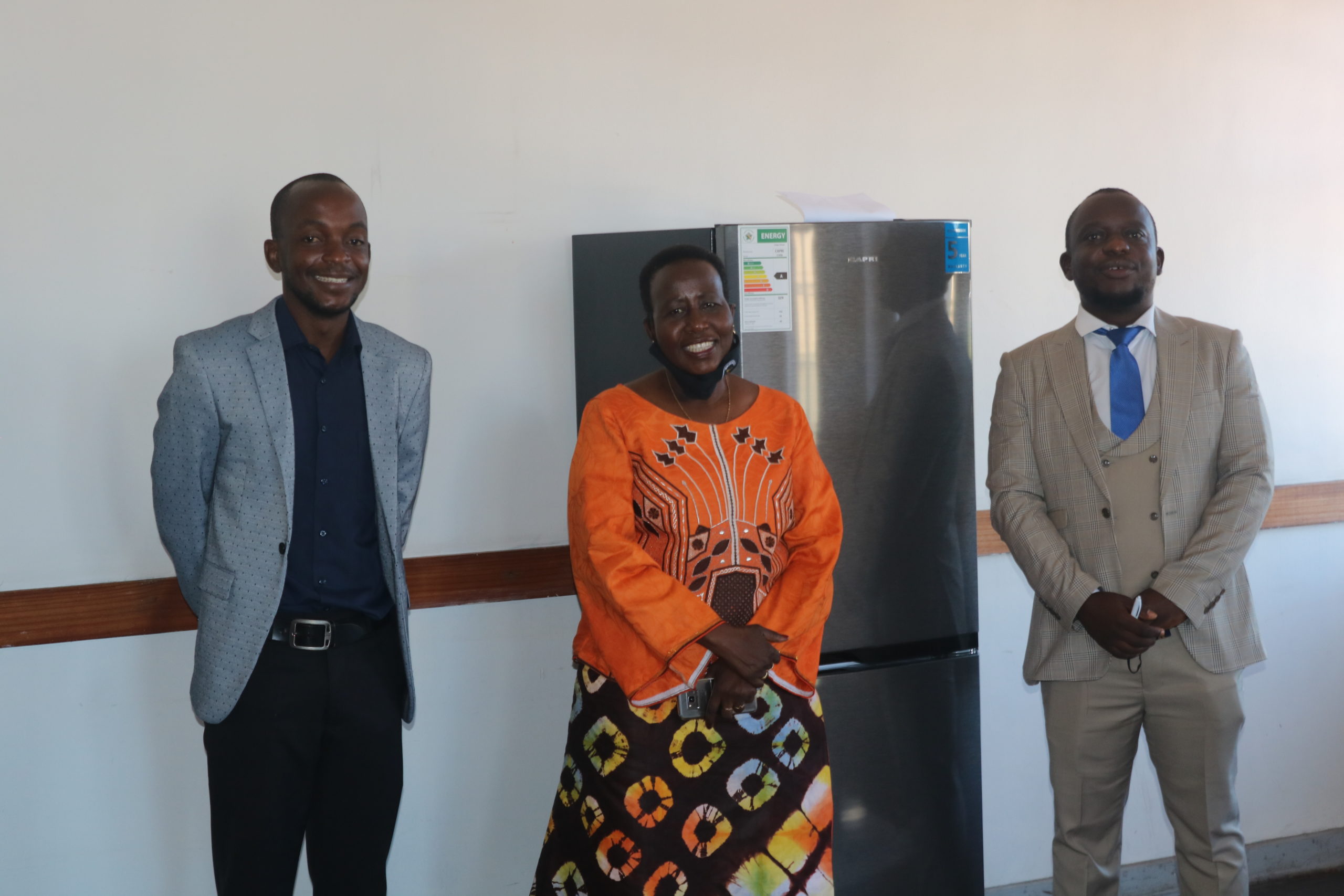
With more women parliamentarians than ever before, it is crucial that facilities are available for women to adequately nourish their child during its first 1000 days. In Zimbabwe, Parliamentary Portfolio Committee on Health and Child Care chairperson Dr Ruth Labode said “We now have more young female legislators in Parliament who have children and are breastfeeding.” It […]
LireToutes les infos de la région East and Southern Africa
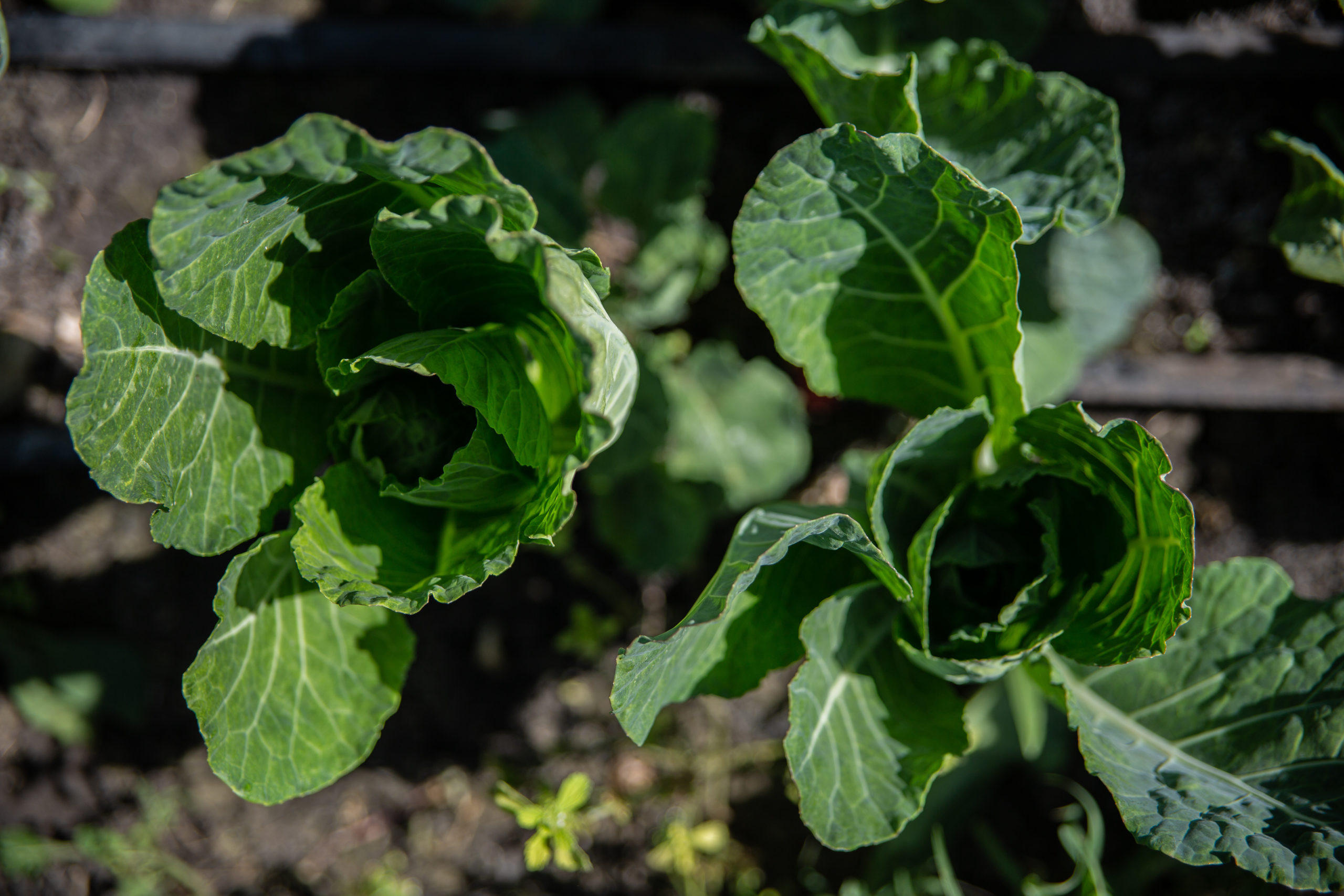
5 things we learnt from the 2020 Civil Society Annual Survey
Our membership is huge! With civil society presence in nearly 50 countries, we always knew we were a large network. But after gathering the data from this year’s Annual Survey we have discovered that we have an incredible 4212 member organisations in the Scaling Up Nutrition Civil Society Network (SUN CSN)!1 This number has increased […]
Lire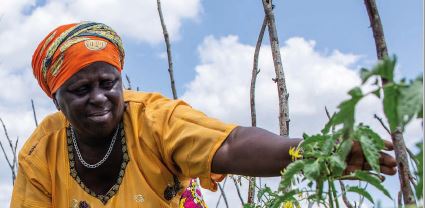
The SUN Civil Society Network launches its new 5-year strategy!
Why do we need a new CSN strategy? The Civil Society Network 3.0 strategy (2021-2025) constitutes an essential guide to rally all civil society members’ collective efforts behind a strong mission and vision. The CSN 3.0 strategy was designed for the Network by the Network, in alignment with the overall SUN Movement 3.0 strategy. As such, the […]
Lire
Meet the women of the CSN: Georgine Obwana
Program Officer, Civil Society Alliance for Nutrition Uganda (CISANU) My work in nutrition First of all I am the Program Officer – Networking and Institutional Development for Civil Society Alliance for Nutrition Uganda (CISANU). CISANU is the Civil Society Alliance (CSA) in Uganda formed through a coalition of Civil Society Organizations (CSOs) and academia. Under […]
Lire
Meet the women of the CSN: Jane Napais Lankisa
Youth Leader for Nutrition, Kenya My work in nutrition I am a global youth leader for nutrition under the SUN youth leaders program. My work revolves around nutrition advocacy with a specific interest in adolescent nutrition. Based in Kenya, I champion for optimum nutrition among young people and children by extension. My passion for nutrition […]
Lire
Meet the women of the CSN: Florence Sibomana
Youth Leader for Nutrition, Rwanda My work in nutrition I am a Youth Leader for Nutrition from Rwanda and I initiated the Youth Powered Nutrition project which aims at equipping young people with knowledge and skills on nutrition advocacy to ensure behaviour change towards healthy lifestyles. I decided to work in the nutrition sphere because […]
Lire
Meet the women of the CSN: Victorine Edson ANJARASOA
TAMAFA coordinatrice, Madagascar Je suis coordinatrice de l’association TAMAFA depuis 2003 jusqu’à ce jour. Je suis décidée à travailler sur la nutrition car il y a beaucoup d’enfants victime de la malnutrition chez nous à Madagascar, région Toliara. Stratégie pour élever les femmes au rang de leadership: il faut les responsabiliser et leur apprendre la […]
Lire
Prioritising Youth Voices During the Year of Action for Nutrition for Growth
2021: A year overflowing with opportunities It’s 2021, and although very little may have changed so far in comparison to 2020 (come on, vaccines!), there has already been a huge shift: it is now officially the Year of Action for Nutrition. Last year, the COVID-19 pandemic resulted in devastating losses to the decades of progress on […]
Lire
MEAL & SUS Grants: Using Creative Documentaries and Podcasts to promote SUN CSO MEAL, Communications and Fundraising in Zimbabwe
Every year, as part of the CSN small grant competition, we offer CSAs the chance to win a grant in order to foster and stimulate innovation and learning within the network. These MEAL & SUS grants are designed to focus on monitoring, evaluation and learning in order to create sustainable and long lasting work. This […]
LireMEAL & SUS Grants: Monitoring and Evaluating Scaling up Nutrition in Adolescent Girls in Kajiado County
Every year, as part of the CSN small grant competition, we offer CSAs the chance to win a grant in order to foster and stimulate innovation and learning within the network. These MEAL & SUS grants are designed to focus on monitoring, evaluation and learning in order to create sustainable and long lasting work. This […]
LireEvery year, as part of the CSN small grant competition, we offer CSAs the chance to win a grant in order to foster and stimulate innovation and learning within the network. These MEAL & SUS grants are designed to focus on monitoring, evaluation and learning in order to create sustainable and long lasting work. This year’s recipients are Feed the Children in collaboration with SUN Civil Society Alliance Kenya and Youth lead 4 Nutrition Kenya,Disaster and Environmental Management Trust and Civil Society Organizations Scaling Up Nutrition Alliance (ZCSOSUNA), Nutres in El Salvador, Civil Society Scaling Up Nutrition in Nigeria (CS-SUNN) and Alliance SUN Côte d’Ivoire.
- Country: Kenya
- Led by: Feed the Children in collaboration with SUN Civil Society Alliance Kenya and Youth lead 4 Nutrition Kenya
- For more info contact: https://www.feedthechildren.org/our-work/around-the-world/kenya/
- Project focus and innovations: evaluation of youth behaviour change campaign
Project goals
FEED the Children have been running adolescent nutrition activities in Kajiado county in Kenya for a while now. They have focussed on adolescents in school and out of school with nutrition messages and life skills lessons. These have been implemented through Care Groups and School Health and Nutrition Clubs in 30 schools in the district. Now it is time to see the impact these lessons have had on adolescents in Kajiado and how their skills and knowledge have influenced nutrition in the community.
This monitoring, evaluating and sustainability project will reflect on the working, learnable and implementable, adolescent nutrition sensitive and specific strategies. They will look to assess the impact of the Nutrition Campaign and how affective it has been to target the priority group of adolescents in and out of school. The evaluation is intended to further inform programming on how imparted skills and knowledge on adolescent nutrition is changing and influencing perceptions.
The outcome of this evaluation project should give the Adolescent Nutrition Campaign tangible, measurable and sustainable outcomes for success in the future and to build resilience and self-reliance into future campaigns.
Project Outline
The respondents (adolescents) will be asked to talk about the main changes in their lives over a pre-defined recall period and prompted to share what they perceive to be the main drivers of these changes, and to whom or what they attribute any change.
The campaign evaluates lifestyles and behavioural changes of adolescents emanating from adolescent sensitive nutrition programs. It shall inform players and actors on possible doable approaches towards nutrition and how best adolescents’ programs can navigate on advocacy and mobilization.
The project will involve key stakeholders of the campaign, including high profile figures such as Kajiado County First Lady, Ministry of Education and Ministry of Health, Kajiado County department of social services, youths, Community Leaders, and teachers.
How will they go about this?
The project will adopt 2 approaches to evaluate the success of the campaign that will inform fundraising intervention
1.QuIP (Qualitative Impact Assessment protocol) and
2. Success Case Method (SCM)
The project will have evaluation sessions with adolescents in schools and out of schools that have not benefited from the campaign as a control group. The campaign, dating back to 2019, targeted a total of 30 schools (639 adolescents) out of which 4 schools were visited, making a total of 229 adolescents reached. The campaign also targeted a total of 215 adolescents out of school and 120 were reached through care groups.
1. The Quip (Quality Impact Assessment Protocol)
This approach will aim to gather evidence of the project’s impact through narrative collected directly from adolescents in school and out of school as beneficiaries in Kajiado County. Using well-structured open-ended questionnaires to maximize on all qualitative feedback. The questionnaires will contain a mix of quantitative and qualitative questions.
2. Success Case Method.
This will involve identifying the most and least successful cases in the adolescent nutrition campaign and examining them in detail. This approach will assess the impact of organizational interventions which includes Adolescents Focus Group Discussions Teaching Materials, reference Materials, practical demonstration methodologies and interviews with Adolescent Nutrition Champions to evaluate their level of involvement and interaction with the adolescents in the scheduled sessions.
Fundraising
Through this project, monitoring and evaluation will enhance the development of new adolescent sensitive nutrition programs. Besides this grant, the campaign looks forward to source additional funding from the local government by approaching the public service finance department, liaising with the county government through the county first lady who is also doubling as the campaign patron. Other well-wishers and stakeholders like FEED (supporting organisation) are also on board.
Ask, Thank, Report and Repeat formula will be applied to source additional donor funding going forward and ensure the sustainability of this campaign.
Disseminating results and innovation
The results for the project for adolescents in and out school will be shared as abstract paper and “learning curve” documents to all stakeholders.
The project will develop a set of MEAL and Sustainability tools/techniques that may be utilized by CSA/CSN members to assess in a participatory manner effectiveness of behaviour change campaign with youth. Tools and activities will be developed with and for youths.
Looking to the future
Besides this grant, the campaign looks forward to source additional funding from the local government by approaching the public service finance department, liaising with the county government through the county first lady who is also doubling as the campaign patron. Other well-wishers and stakeholders like FEED (supporting organisation) are also on board.
