Our membership is huge! With civil society presence in nearly 50 countries, we always knew we were a large network. But after gathering the data from this year’s Annual Survey we have discovered that we have an incredible 4212 member organisations in the Scaling Up Nutrition Civil Society Network (SUN CSN)!1 This number has increased […]
LeerTodas las noticias sobre la región África oriental y meridional
The SUN Civil Society Network launches its new 5-year strategy!
Why do we need a new CSN strategy? The Civil Society Network 3.0 strategy (2021-2025) constitutes an essential guide to rally all civil society members’ collective efforts behind a strong mission and vision. The CSN 3.0 strategy was designed for the Network by the Network, in alignment with the overall SUN Movement 3.0 strategy. As such, the […]
Leer
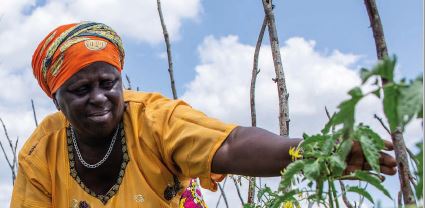
Meet the women of the CSN: Georgine Obwana
Program Officer, Civil Society Alliance for Nutrition Uganda (CISANU) My work in nutrition First of all I am the Program Officer – Networking and Institutional Development for Civil Society Alliance for Nutrition Uganda (CISANU). CISANU is the Civil Society Alliance (CSA) in Uganda formed through a coalition of Civil Society Organizations (CSOs) and academia. Under […]
Leer
Meet the women of the CSN: Jane Napais Lankisa
Youth Leader for Nutrition, Kenya My work in nutrition I am a global youth leader for nutrition under the SUN youth leaders program. My work revolves around nutrition advocacy with a specific interest in adolescent nutrition. Based in Kenya, I champion for optimum nutrition among young people and children by extension. My passion for nutrition […]
Leer
Meet the women of the CSN: Florence Sibomana
Youth Leader for Nutrition, Rwanda My work in nutrition I am a Youth Leader for Nutrition from Rwanda and I initiated the Youth Powered Nutrition project which aims at equipping young people with knowledge and skills on nutrition advocacy to ensure behaviour change towards healthy lifestyles. I decided to work in the nutrition sphere because […]
Leer
Meet the women of the CSN: Victorine Edson ANJARASOA
TAMAFA coordinatrice, Madagascar Je suis coordinatrice de l’association TAMAFA depuis 2003 jusqu’à ce jour. Je suis décidée à travailler sur la nutrition car il y a beaucoup d’enfants victime de la malnutrition chez nous à Madagascar, région Toliara. Stratégie pour élever les femmes au rang de leadership: il faut les responsabiliser et leur apprendre la […]
Leer
Prioritising Youth Voices During the Year of Action for Nutrition for Growth
2021: A year overflowing with opportunities It’s 2021, and although very little may have changed so far in comparison to 2020 (come on, vaccines!), there has already been a huge shift: it is now officially the Year of Action for Nutrition. Last year, the COVID-19 pandemic resulted in devastating losses to the decades of progress on […]
Leer
MEAL & SUS Grants: Using Creative Documentaries and Podcasts to promote SUN CSO MEAL, Communications and Fundraising in Zimbabwe
Every year, as part of the CSN small grant competition, we offer CSAs the chance to win a grant in order to foster and stimulate innovation and learning within the network. These MEAL & SUS grants are designed to focus on monitoring, evaluation and learning in order to create sustainable and long lasting work. This […]
LeerMEAL & SUS Grants: Monitoring and Evaluating Scaling up Nutrition in Adolescent Girls in Kajiado County
Every year, as part of the CSN small grant competition, we offer CSAs the chance to win a grant in order to foster and stimulate innovation and learning within the network. These MEAL & SUS grants are designed to focus on monitoring, evaluation and learning in order to create sustainable and long lasting work. This […]
Leer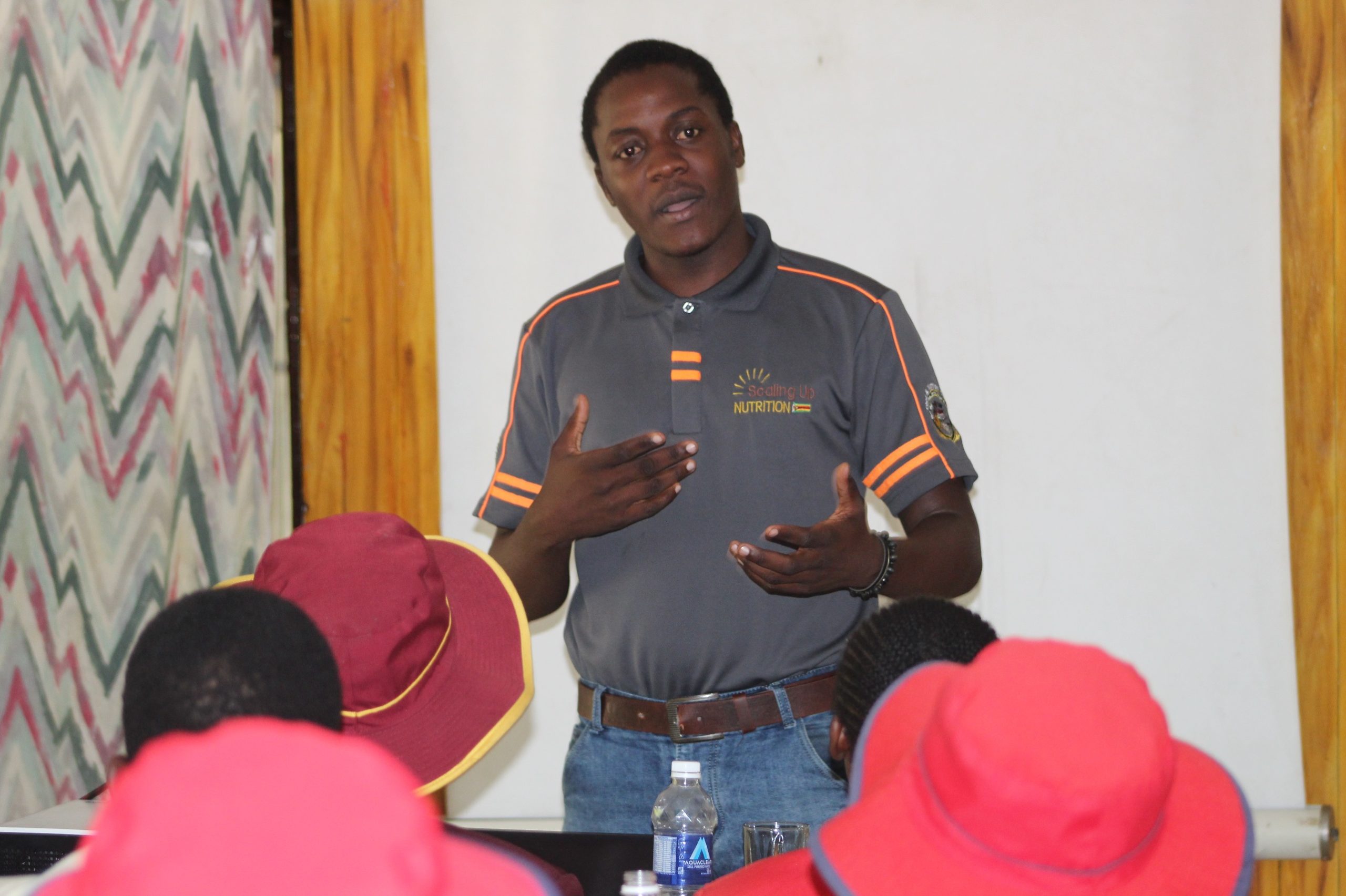
COVID-19 impacting the health and wellbeing of children and families in Zimbabwe
The outbreak of COVID-19 in Zimbabwe is having drastic consequences to the health and wellbeing of children and their families in both urban and rural communities. Infants, children, pregnant women and breastfeeding mothers are facing significant risks to their nutritional status and well-being especially in contexts where access to essential health and nutrition services and […]
LeerThe outbreak of COVID-19 in Zimbabwe is having drastic consequences to the health and wellbeing of children and their families in both urban and rural communities. Infants, children, pregnant women and breastfeeding mothers are facing significant risks to their nutritional status and well-being especially in contexts where access to essential health and nutrition services and affordable basic nutritious diets is constrained.
Many people have lost their jobs and livelihoods. They are struggling to support their families and dependents as they spend more time together at homes with no meaningful economic activity to sustain their family’s food and nutritional needs.
Children are out of school and no alternative strategy has been put in place to ensure that they access school meals through the national child feeding programme. This is despite the existence of a budget line in Zimbabwe’s 2020 National Budget which allocates funds for the school feeding programme to complement the nutritional dietary need for children in schools.
The importance of healthy nutritious food
Families’ economic activity and livelihood pathways have been restricted by the lockdown. This has caused serious suffering to the already impoverished households who are struggling to buy their usual range of foods for family nutrition. As people spend more time at home, there is a shift towards non-diversified diets, with increasing consumption of junk foods, pre-packaged processed foods and decreasing consumption of nutritious foods, including whole fresh fruits and vegetables.
In a live talk show with CAPITALK FM, Miss Spectacular Gumbira, a Youth Nutrition Advocate, highlighted that this is due to the high cost of basic foodstuffs, and poverty and hunger in many families. This means that when children go hungry, they can only be served with junk food such as snacks, popped corn and sweets, which are cheaper than healthy main meals.
Children also have no income and usually beg from family members and parents for money to buy snacks as they wait to be served a daily meal at their households. This makes children more vulnerable to abuse and harassment.
Impact on Food Systems
The impact of the COVID-19 pandemic, lockdown, and restrictions on food systems in Zimbabwe are particularly worrisome. Production has decreased while post-harvest losses have heightened as farmers struggle to access markets. Food access and affordability, which are the major pillars of food security, are severely restrained by lockdown.
Restricted access to markets for both farmers and consumers due to COVID-19 regulations is therefore affecting timely access to perishable nutritious foods like fruits and vegetables, negatively impacting on family nutrition and especially children who are out of school. Deliberate measures are therefore needed to prevent and mitigate against these.
Protecting our vulnerable communities
The current food crisis is severely impacting on the quality, frequency and diversity of children’s diets. Infants, children and breastfeeding mothers are consuming what is available, regardless of the nutritional value status of the foods. This is compounded by the inability for families across the country to provide adequate childcare during these increasingly challenging times of the pandemic.
Appropriate and timely support of maternal, infant, and young child nutrition are essential to save lives, protect child nutrition, support mothers, and support the health and development of the nation. There is also an urgent need to ensure that we come up with innovative contingency strategies to ensure that children continue to receive their school feeding portions during the lockdown, while mothers receive accurate advice and support on breastfeeding.
Right to food
It is imperative to note that the right to food is a fundamental human right recognised under the national and international law, and therefore should be ensured for the benefit of all, particularly infants, children, pregnant and breast-feeding mothers.
The 2013 Constitution of Zimbabwe also protects the right of people to access food and feed themselves and their families, either by producing their food or by purchasing it.
The Zimbabwean Government must therefore fulfil its commitment to the right to food by helping its people tackle malnutrition wherever it is found, and particularly for the most vulnerable.
