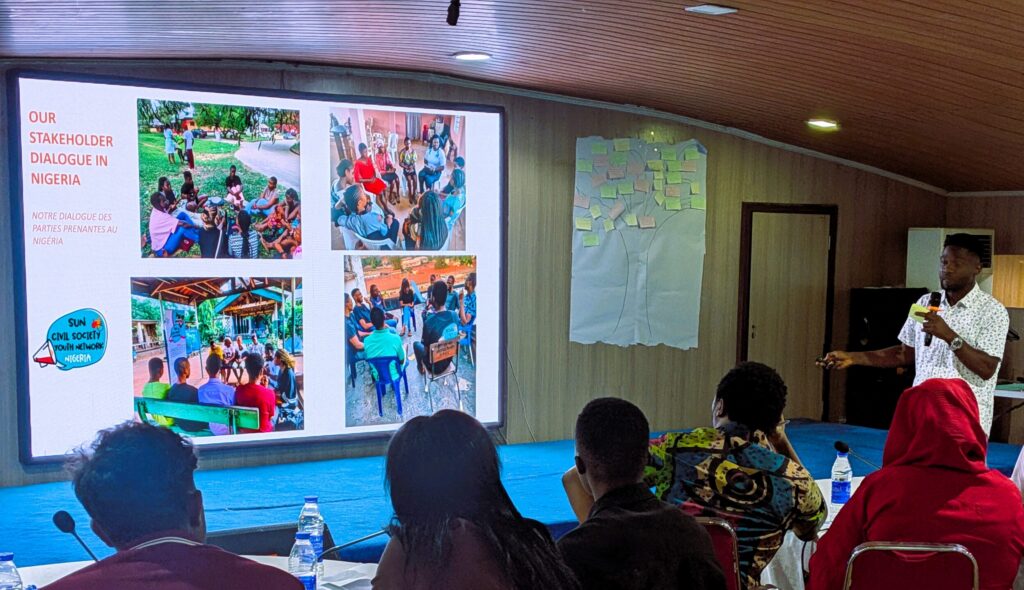
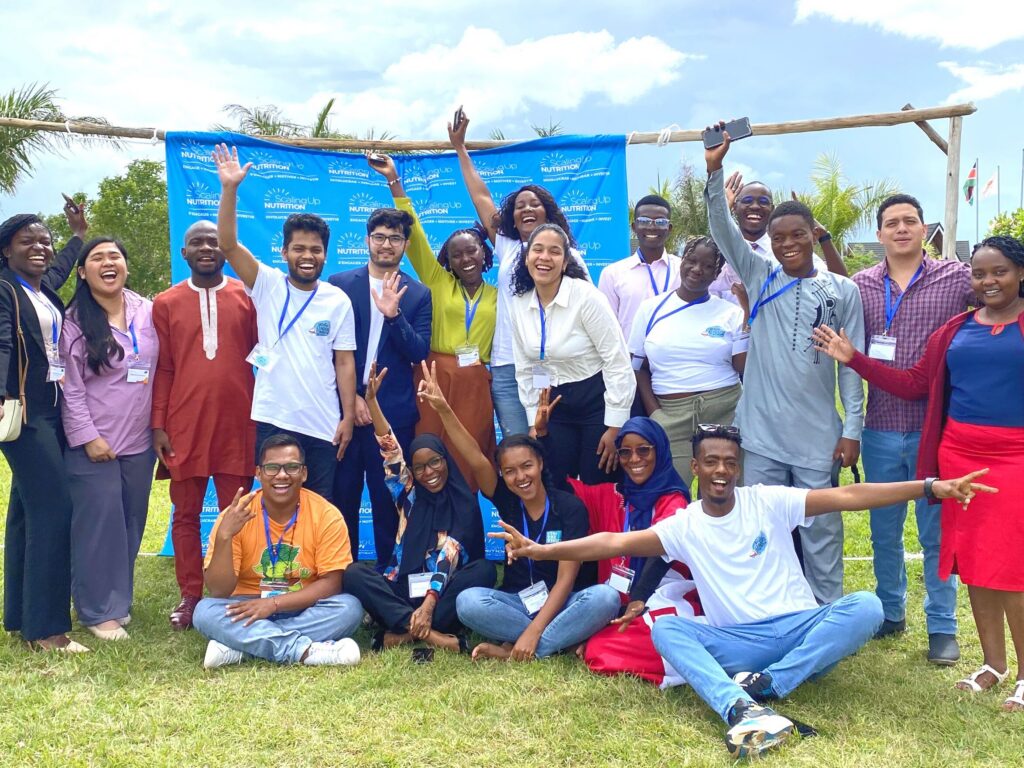
In July 2026, the SUN Civil Society Network convened Civil Society Alliance and Youth representatives from 8 countries for an in-person peer-learning workshop to deliver youth-led community-informed nutrition policymaking in their own countries.
Read on to hear from Senior Advocacy & Youth Advisor, Sean Counihan, on what we learned over 3 action-packed days, the road that led us there, and what lies ahead for youth leadership in SUN CSN 4.0 strategy (2026-2030).
The «Finian Cascade»
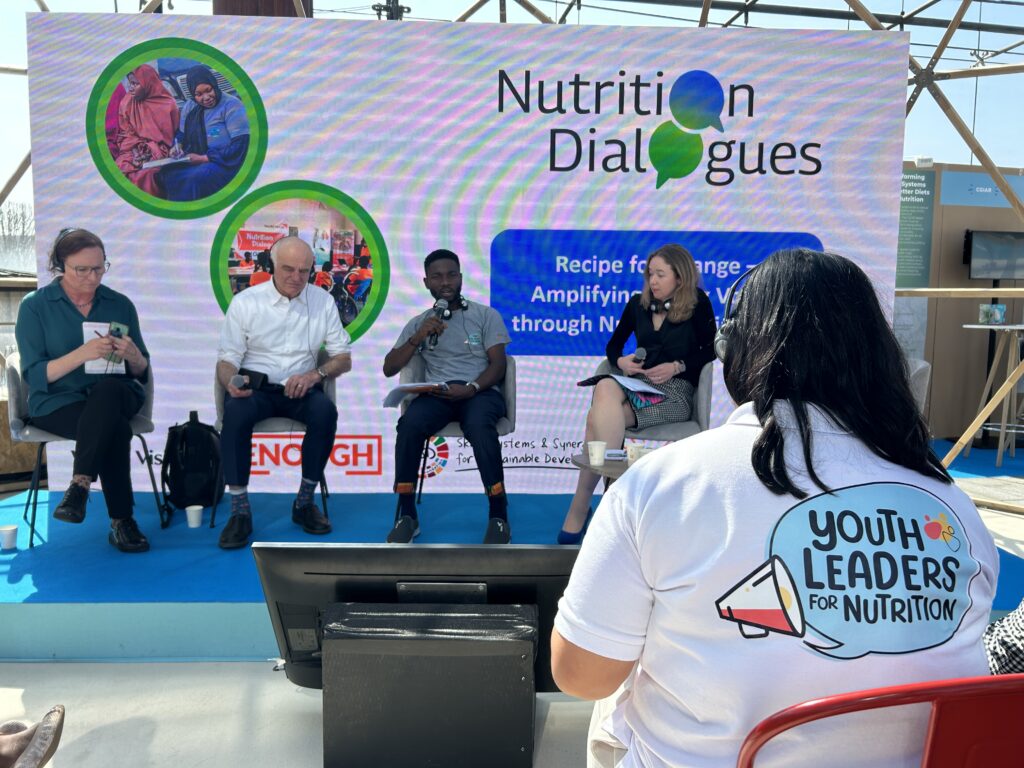
When the great Sir David Nabarro met Finian Ali in Paris at the Nutrition for Growth (N4G) Summit in 2025, he was so blown away by his work within the SUN Civil Society Network (SUN CSN) that he coined the phrase «The Finian Cascade.» Train one brilliant young person to engage, inspire and mobilise other young people and their communities, and that impact cascades and multiplies.
I’ve watched this cascade grow exponentially since we trained our last cohort of Youth Coordinators in Nairobi, Kenya, back in 2023. Those young people went home, trained others, and worked with their Civil Society Alliances (CSAs) to deliver dialogues with the most marginalised communities, feeding what they heard straight into national policymaking.
Our youth-led, community-informed advocacy journey kickstarted in Nairobi, Kenya in April 2023, when we convened the first generation of youth coordinators from 19 different countries to begin the work of community-level dialogues in their countries.
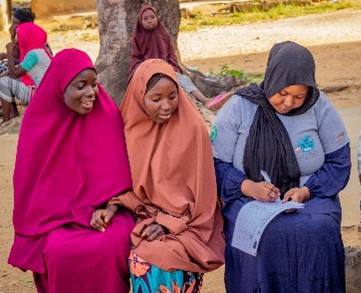
In Nigeria, that work has since grown into 57 youth-led nutrition dialogues across six states, driven by Finian and his team of youth advocates within the Nigeria CSA, CS-SUNN.
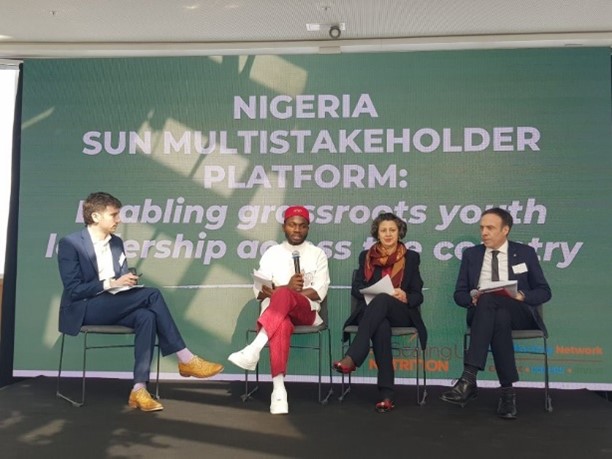
Watch Finian’s leadership in action in Nigeria, with the support of his SUN CSA and SUN Multistakeholder Platform (MSP). We invited young people and civil society representative to Lagos to learn from Finian and his team of youth advocates.
Why are we prioritising the engagement of young people and communities in nutrition advocacy?
As a globally connected, locally led, civil society network, we know that nutrition policymaking is too often built without the involvement of the people it’s meant to serve.
Communities carrying the heaviest burden of malnutrition, and particularly the young people living within them, can rarely access the rooms where policy decisions about their own nutrition and wellbeing get made.
It’s not always because decision-makers are actively shutting them out, it’s usually down to a complex set of barriers and challenges that stifles collaboration and accountability between decision-makers and communities.
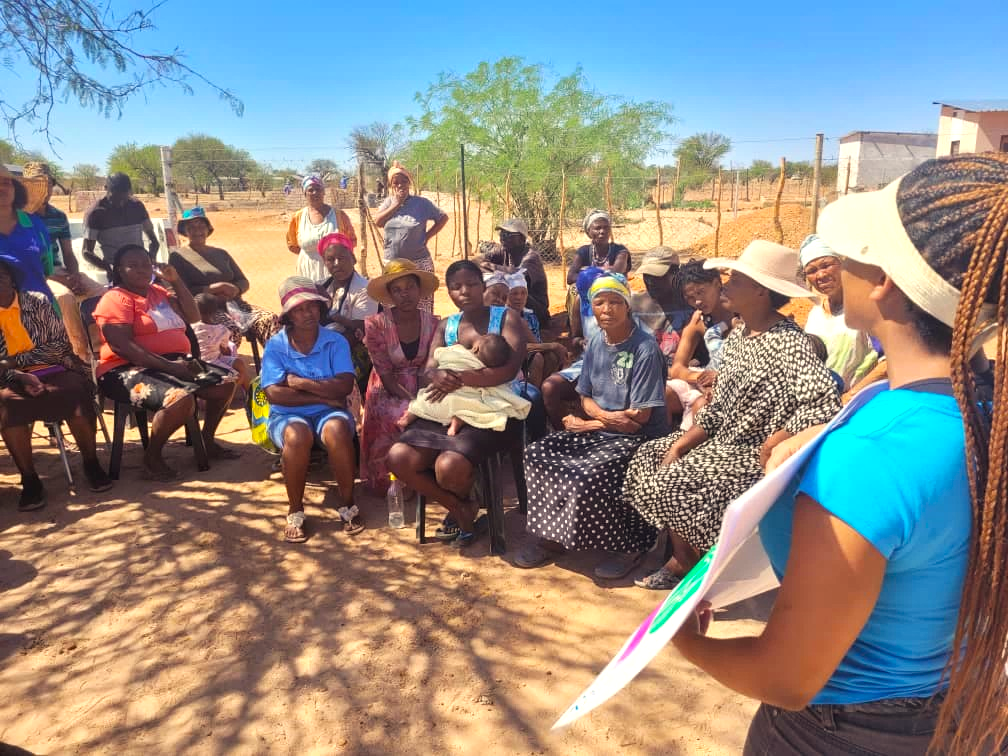
With this disconnect between communities and policymaking, stakeholders rely on data and evidence which doesn’t always capture the real experiences of the most marginalised communities. This runs the risk of failing policy interventions and eroding crucial lines of trust between communities and duty-bearers.
And when it comes to young people participating in decision-making, we know from young people that there are significant barriers including exclusion, tokenism, lack of funding, and weak platforms and mandates.
In August 2025, SUN CSN surveyed young people from across the SUN Movement to understand their experience of participating in the SUN Movement. Their honest responses were used to inform the design of the SUN-wide Youth Participation Framework and our own network’s youth engagement model.
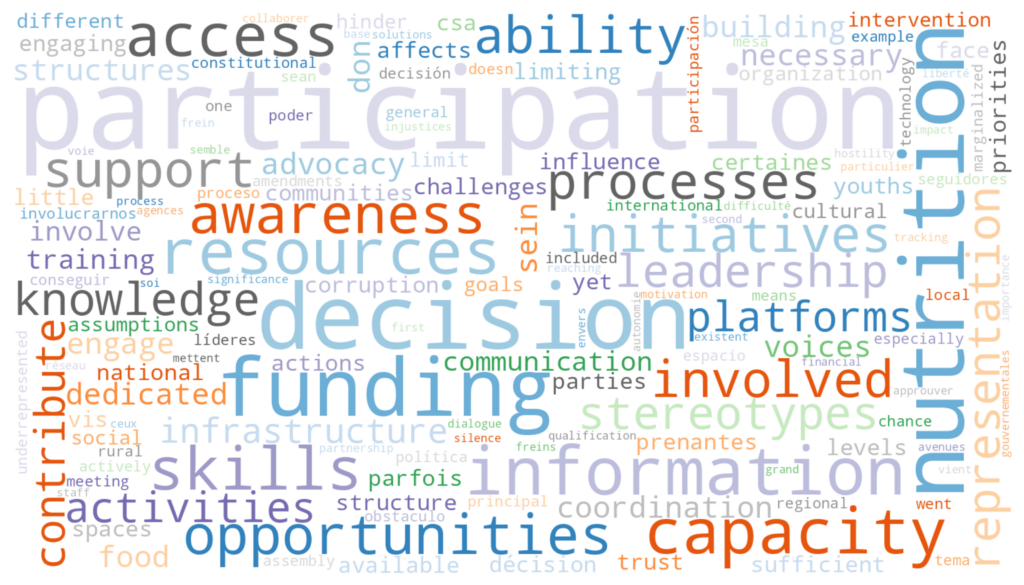
This is why we’ve worked with young people, civil society leaders, as well as diverse stakeholders from across the SUN Movement, to design a youth engagement model which seeks to address these dual challenges of exclusion and disenfranchisement of communities and young people in nutrition decision-making.
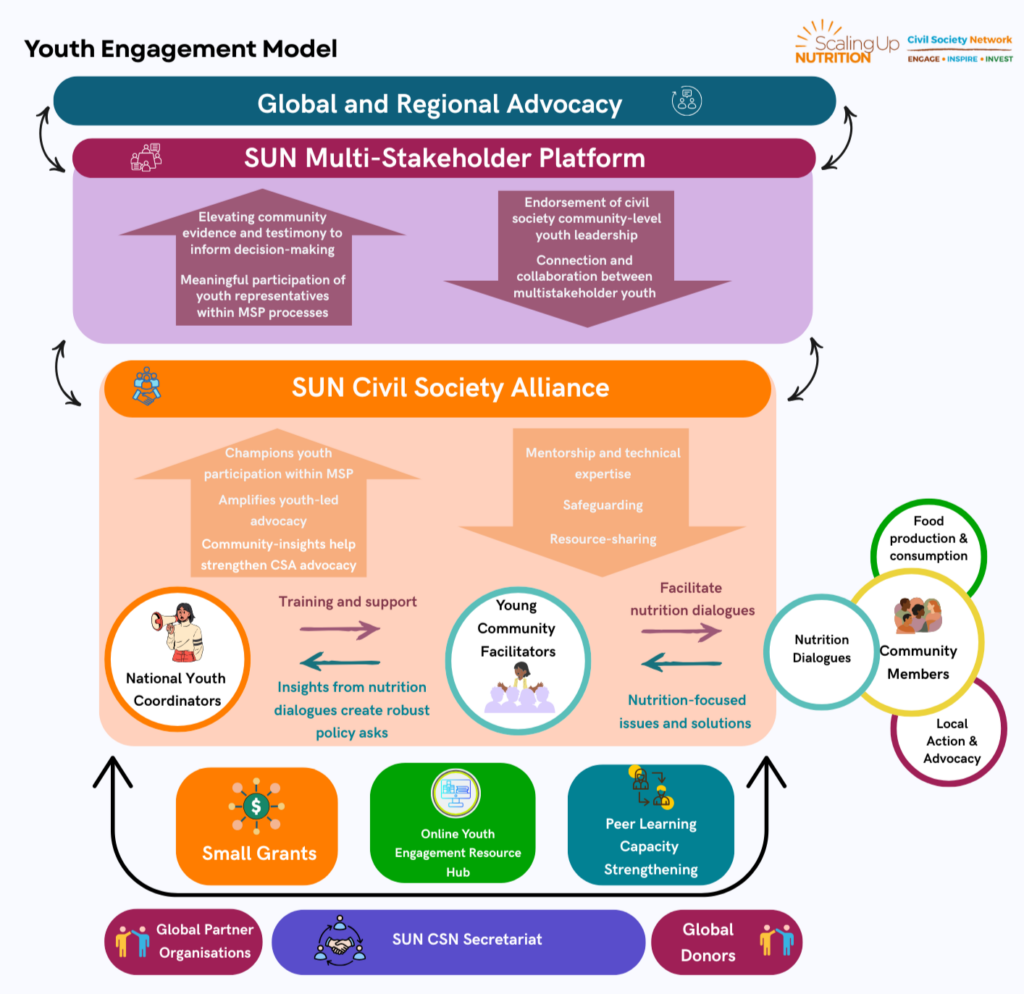
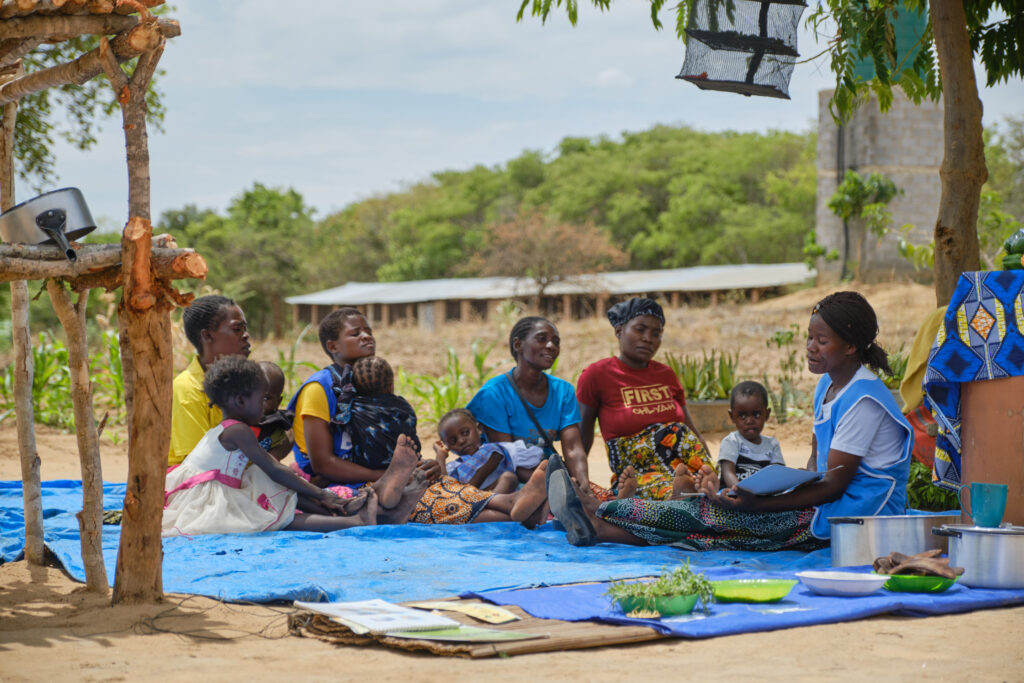
Our model supports SUN CSAs to partner with young people to engage directly with the people most affected by malnutrition to surface what’s really happening: the barriers, the priorities, the solutions communities have already worked out for themselves.
Working alongside their SUN CSA, young people then amplify community-informed policy recommendations into national and global decision-making spaces, speaking not as individuals with an opinion, but as representatives with a constituency and a clear case behind them.
Everyone in the SUN Movement benefits when communities are heard properly:
- Communities get a genuine route into decisions that affect their lives, rather than being consulted after the fact.
- Young people gain a legitimate platform to lead as community representatives, not just passive participants. And in the process they can build skills, credibility, and a track record of shaping real policy outcomes.
- SUN Civil Society Alliances strengthen their evidence base and their standing within SUN Multi-Stakeholder Platforms, backed by data drawn directly from the communities they represent.
- Policy makers get access to evidence that’s harder to find any other way: honest, ground-level insight into why current approaches are or aren’t working.
This is exactly why this work sits at the heart of our SUN CSN 4.0 Strategy (2025-2030) . Localisation, inclusive governance, youth leadership, and community-informed policymaking are all key pillars of our strategy which we’ve committed to delivering through to 2030.
Young people bringing community-based accountability to N4G Paris
By the time N4G Paris came around in March 2025, SUN CSN brought its largest and strongest youth delegation yet. With the hard-won experience of running these community-level dialogues behind them, the young people spoke with real authority about what communities had told them, and what decision-makers needed to do about it.
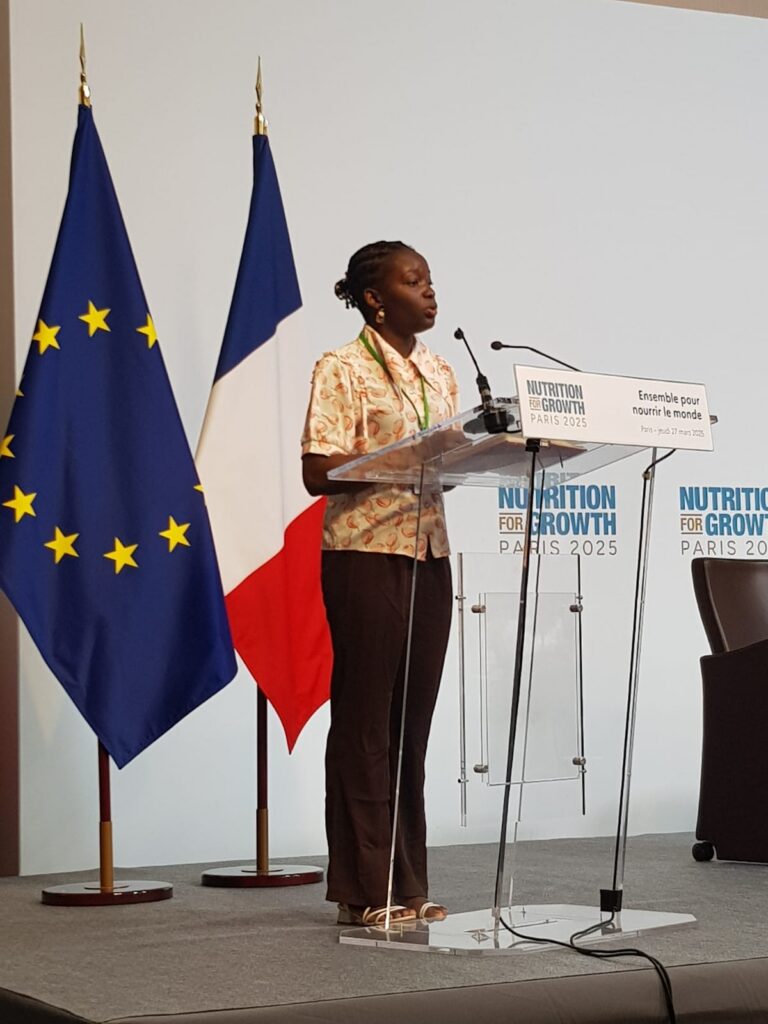
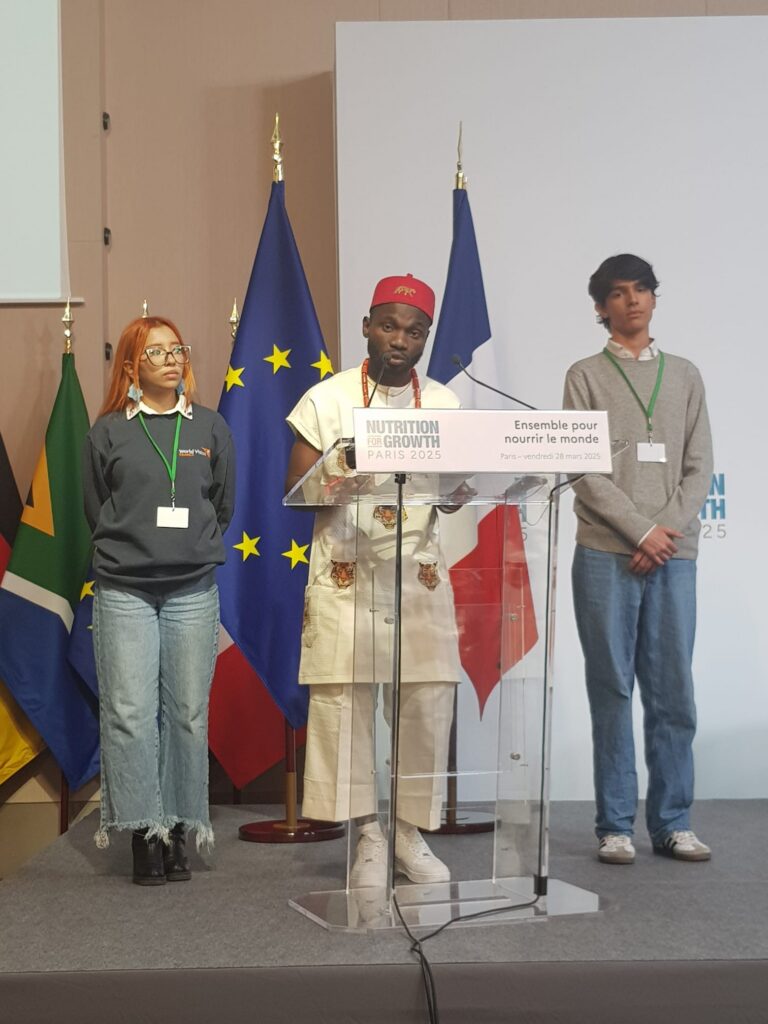
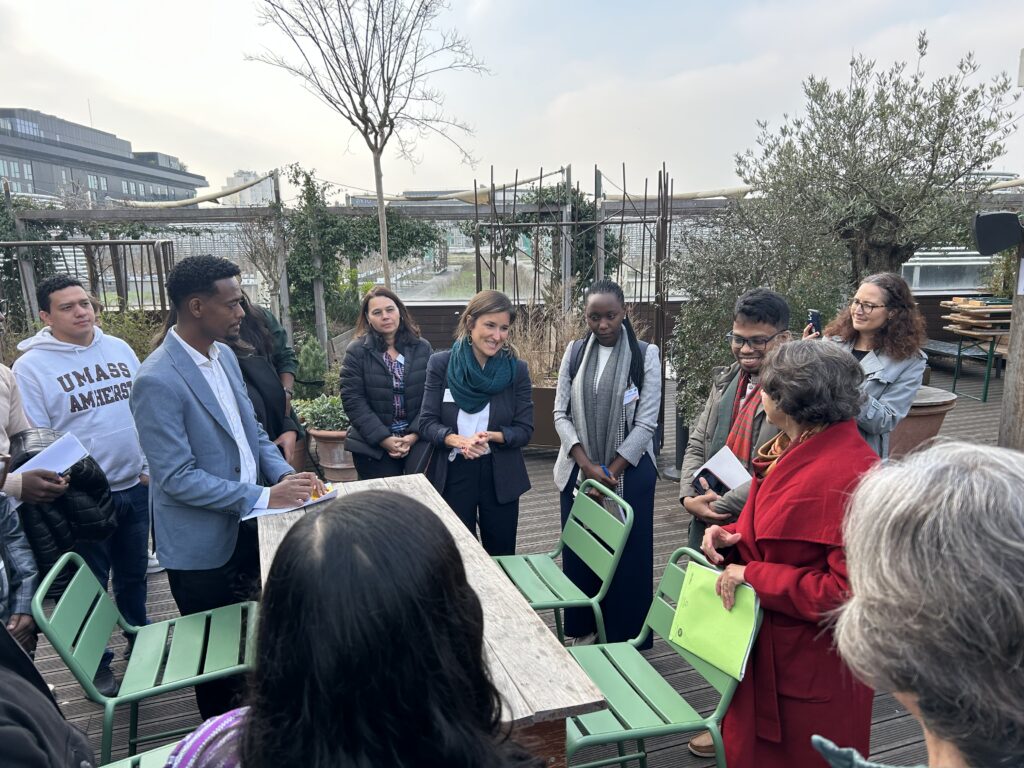
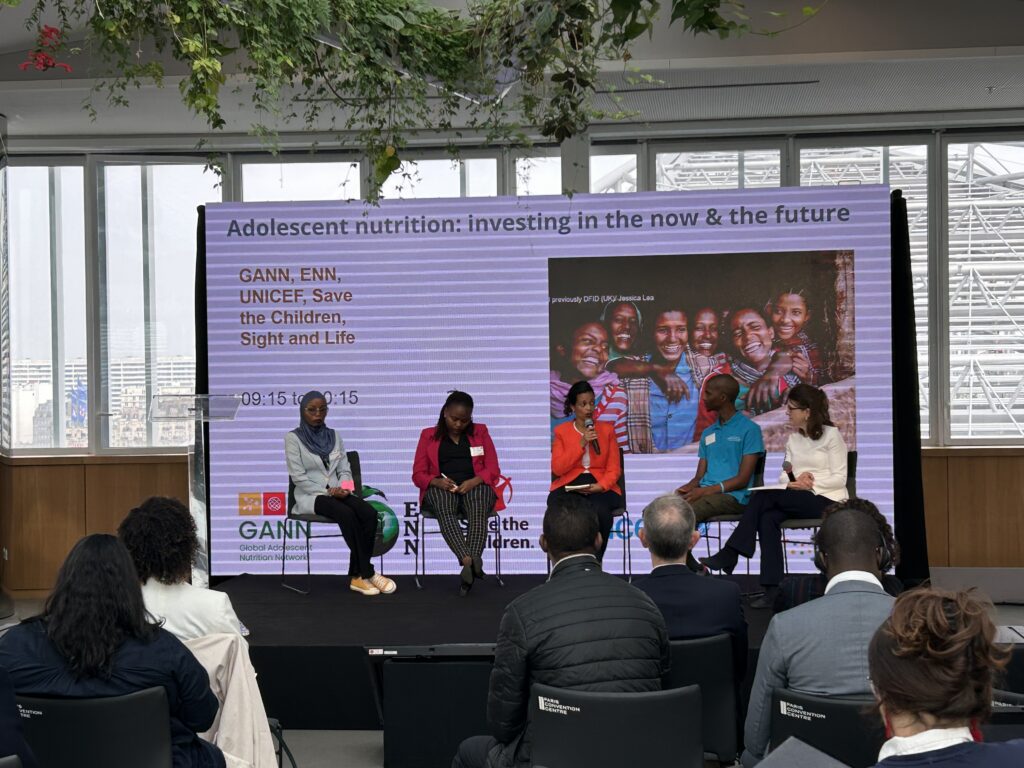
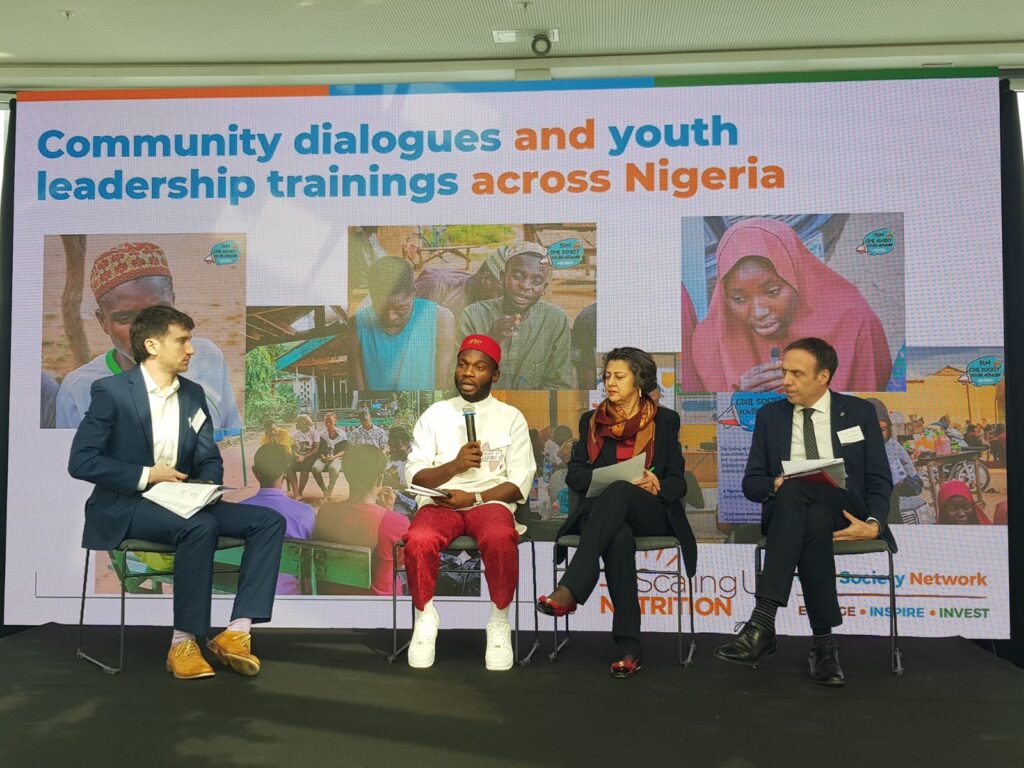
And the young people were certainly heard loud and clear. After the N4G Summit, the Government of France, as host nation of the summit, committed €200,000 over 18 months to help scale up our Youth Leaders for Nutrition programme and sustain youth-led accountability all the way to the next N4G. It’s thanks to that partnership that we were able to distribute eight small grants to CSAs across the network and bring them together in Lagos to learn from Nigeria’s experience directly.
Post-N4G 2025: SUN CSN’s Nutrition Dialogues Youth Advocacy Fund
Thanks to the generous partnership with the Government of France, we launched our Nutrition Dialogues Youth Advocacy Fund; issuing 8 grants of €10,000 each over 12 months. We called on SUN CSAs to submit proposals for this grant, outlining how they would deliver our youth engagement model; mobilising young people to deliver nutrition dialogues with marginalised communities, advocating for community-informed policies within their SUN MSP, and then following-up with the communities to support ongoing accountability and local leadership on nutrition.
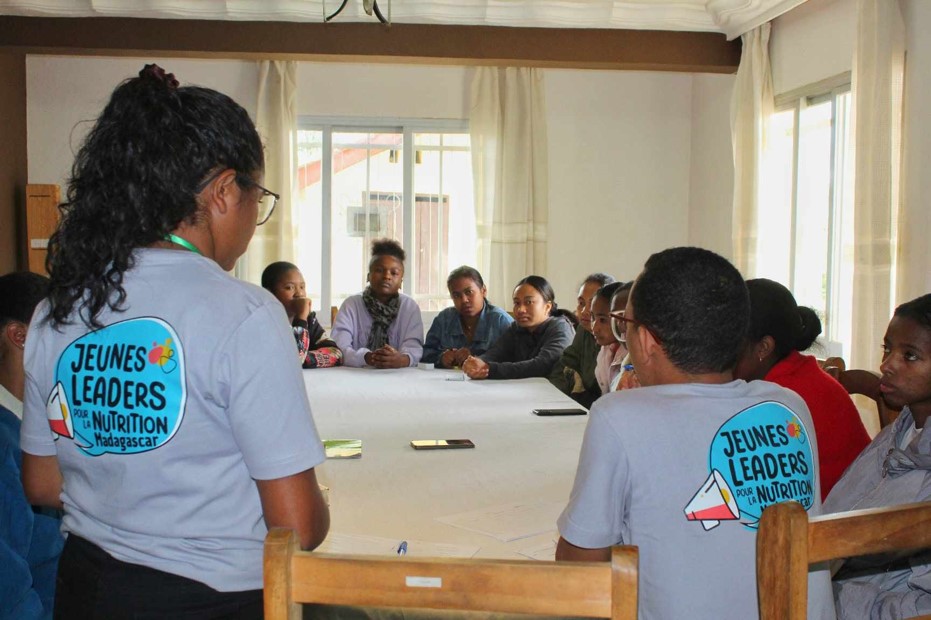
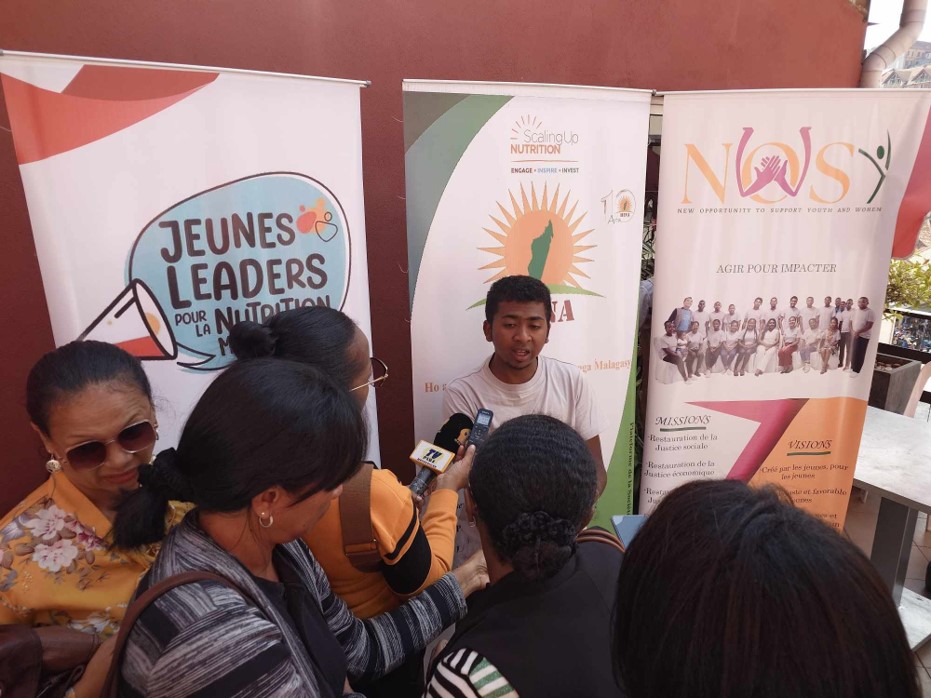
After an outstanding set of applications, and a rigorous selection process, we chose the proposals from 8 countries: Costa Rica, Chad, Rwanda, Namibia, Madagascar, Pakistan, Cambodia, and Nigeria. As part of this grant award, we invited two participants from each of the CSA-nominated organisations to Lagos for our in-person onboarding workshop to provide everyone with the knowledge, skills, and confidence to deliver the grant activities effectively back in their own countries.
Capacity strengthening: not just for young people
We invited each CSA to send both a youth representative and a CSA-level representative, because we know both groups benefit from capacity strengthening in different areas when it comes to meaningful youth participation.
After the workshop:
- CSA representatives will engage their other CSA partner organisations to cascade the approach of partnering meaningfully and safely with young people and communities.
- Youth representatives will engage other young people to cascade the practical delivery of the Nutrition Dialogues at community-level, and how to work collaboratively with other SUN stakeholders.
Participation and inclusion put into practice
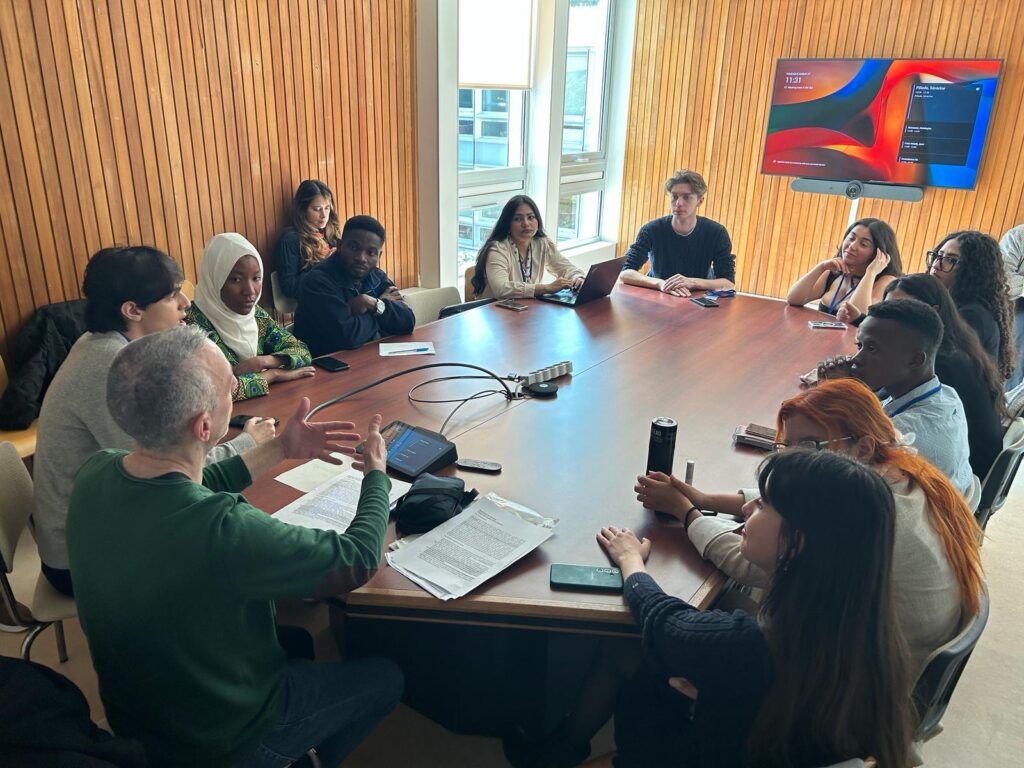
The workshop was planned and delivered the SUN CSN Secretariat youth mini-team; Hannah Mehta and me, Sean Counihan, and was co-hosted by the Nigeria CSA, CS-SUNN. With such a strong programmatic emphasis on participatory community engagement, we were super intentional about embedding co-facilitation throughout all the sessions.
Every session was co-facilitated with at least one participant, who brought their own knowledge and experience into the design, and encouraged their peers to do the same. Two of the standout sessions were led entirely by Finian; an in-depth explainer on the Nutrition Dialogues methodology and portal, and a panel discussion inviting participants to share their own success stories.
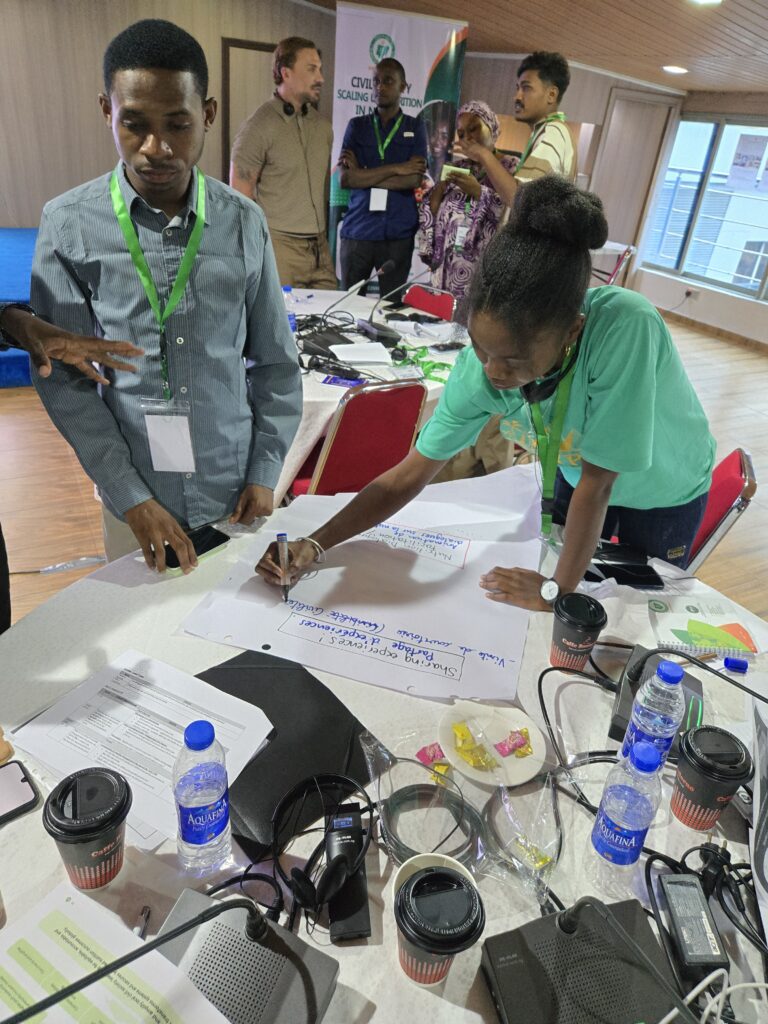
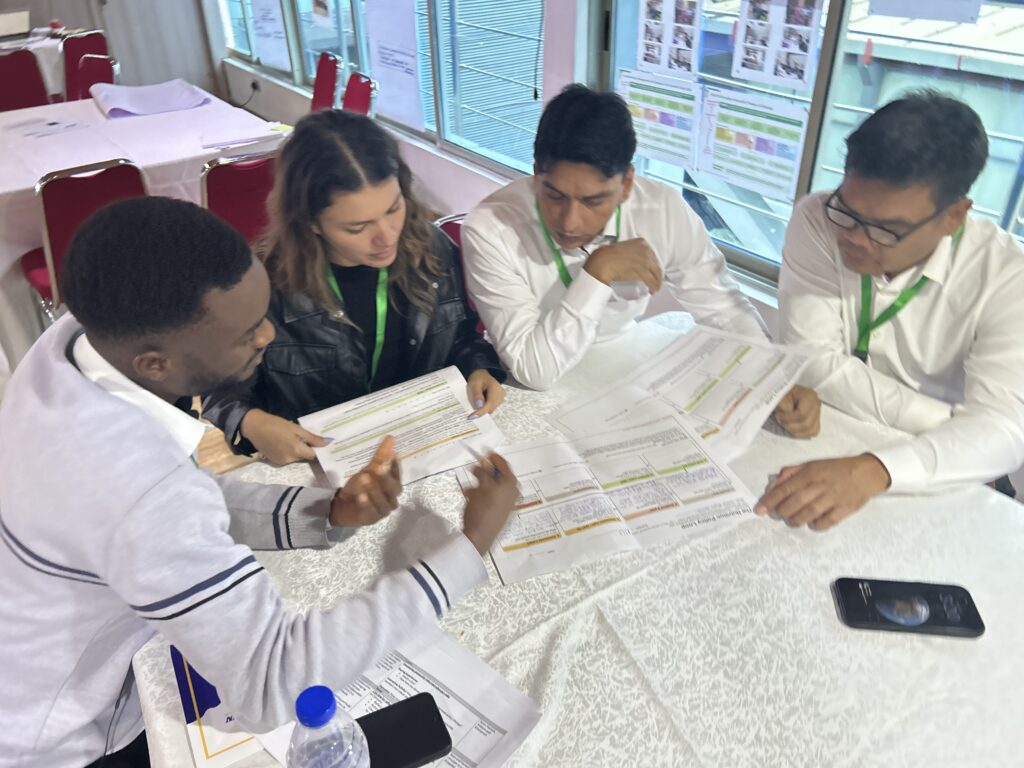
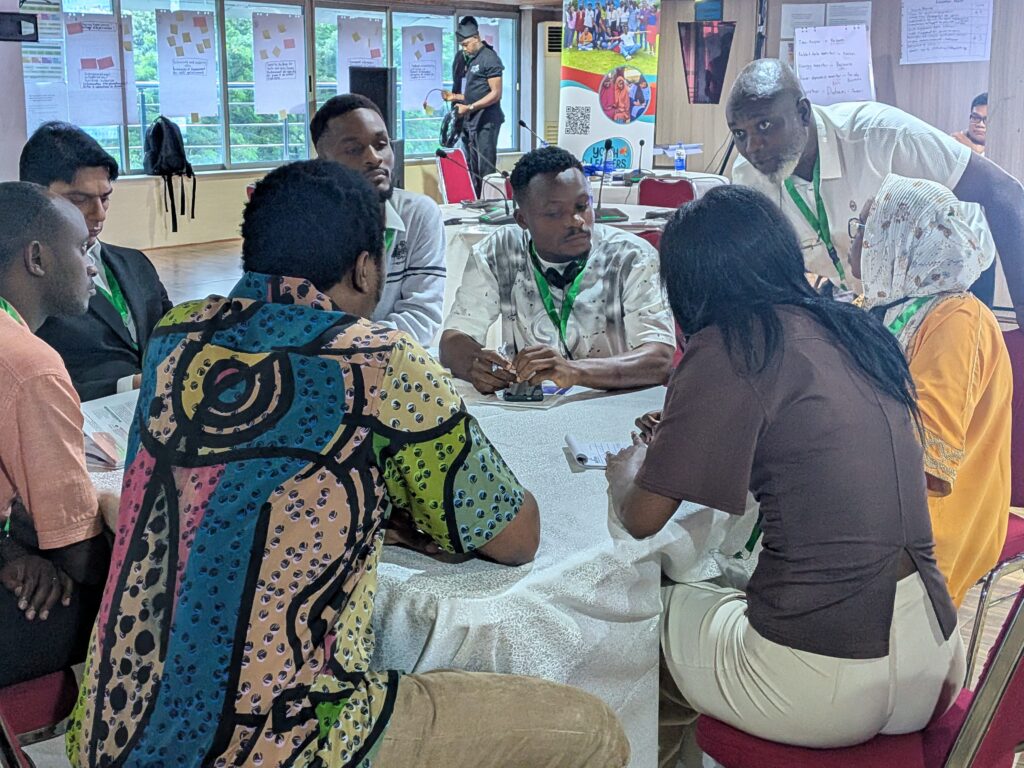
One participant told us the standout for them was «the inclusiveness throughout the workshop, because all participants were well carried along.» Another said the most valuable part was simply «sitting and listening to diverse perspectives of people from other regions and continents.»
Country-level partnership with the Government of France
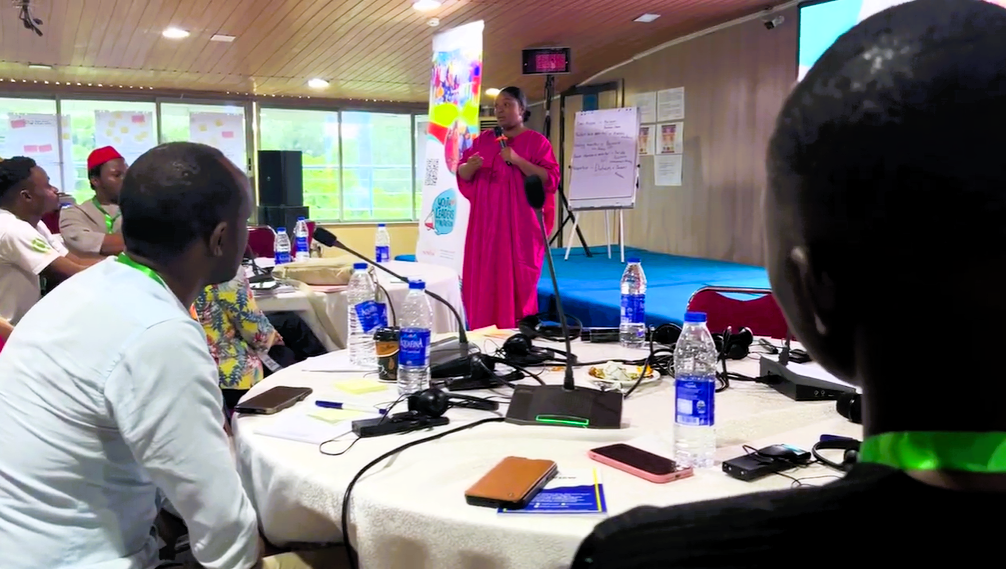
We were delighted to welcome Ms Ketty Regis, Cooperation Attaché at the French Embassy in Abuja, who joined us for two full days. In the spirit of the workshop, she wanted to join, not as a formal high-level figure, but as a fellow participant learning together everyone else. In her interventions, she reflected on France’s appreciation for this type of work which fully aligns and supports their own localisation agenda.
Understanding power
We also ran a dedicated session on power and marginalisation, and how it shapes access to healthy diets and decision-making, in the home, in communities, and in wider society. This critical perspective on power ran throughout the three days as participants referred back to this idea, and the different elements of our model which recognises power dynamics and helps to rebalance it to foster inclusion and collaboration between the most marginalised stakeholders in nutrition decision-making.
With a truly diverse cohort of workshop participants across age, gender, religion, socio-economic status, everyone in the room was remarkably honest about our own part in these dynamics, and how they play out back home in every space we occupy.
Learning by doing
SUN is a genuinely complex movement to fully understand, and our multistakeholder youth engagement model can be just as complex; including concepts like how an advocacy ask travels from a community conversation to a policy decision within a SUN Multistakeholder Platform. Rather than explain all this using slides, we built it as something people could physically walk through in the room.
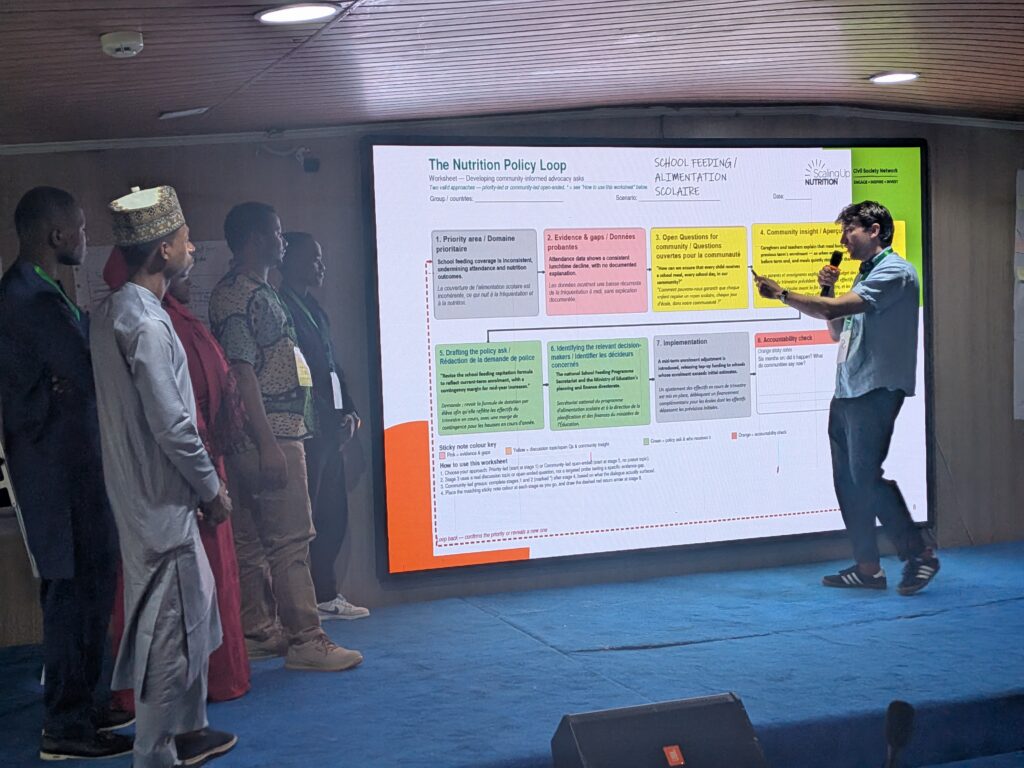
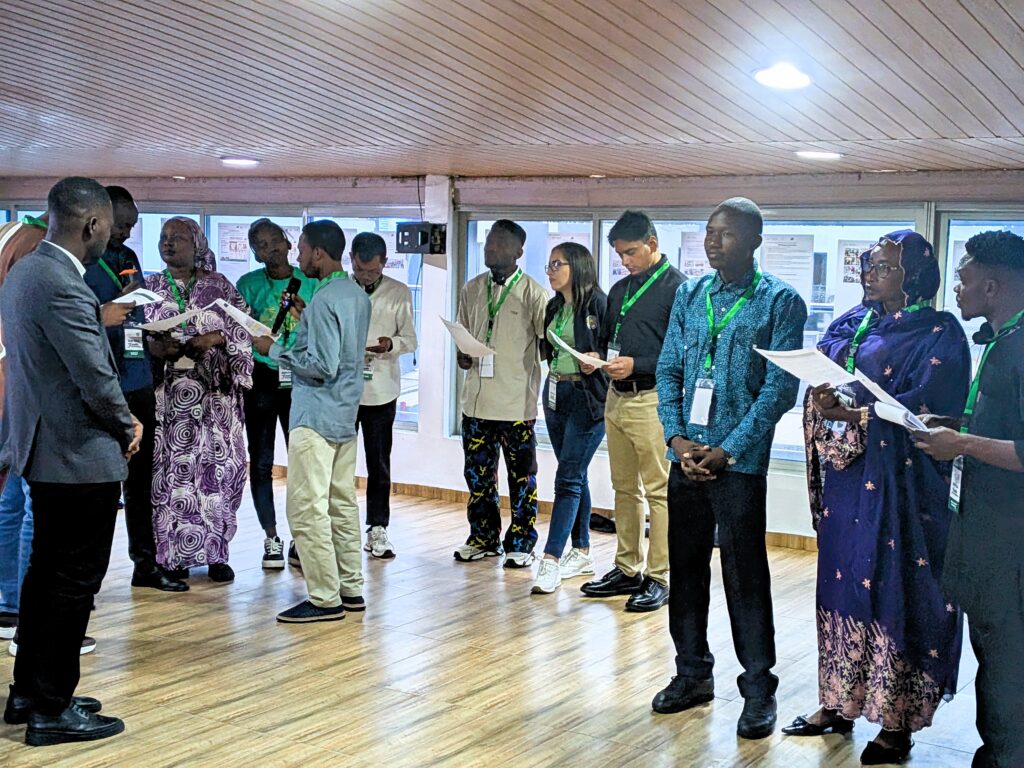
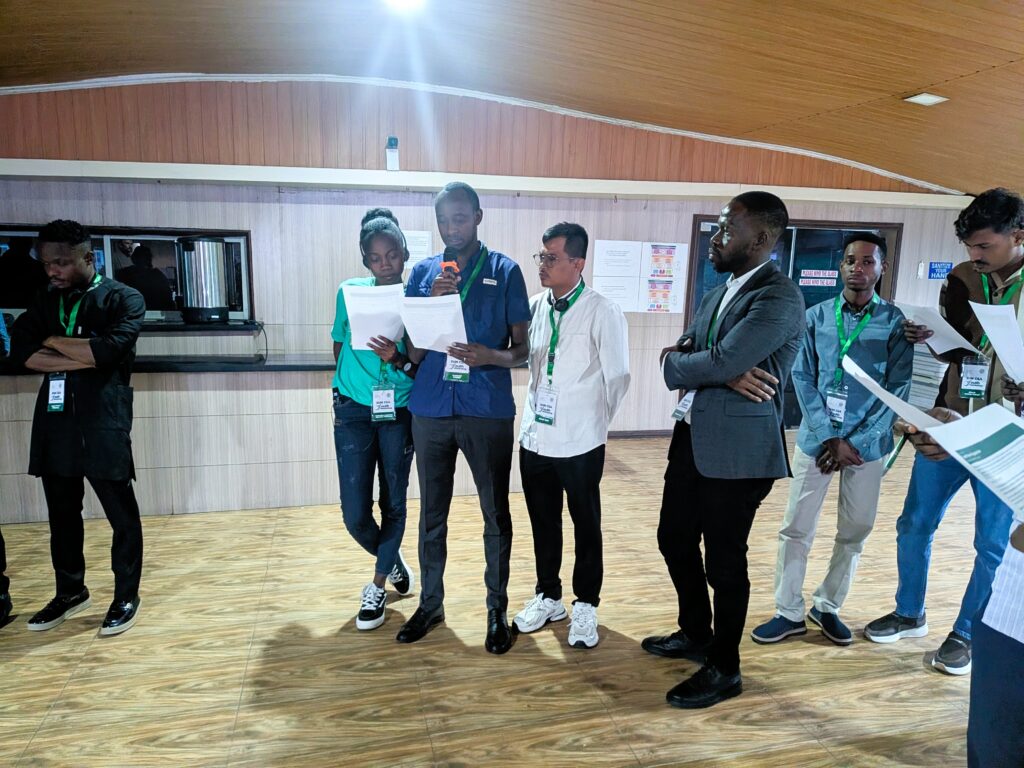
The SUN CSN Youth Engagement Model became a live walkthrough of seven roles across three zones.
Throughout the three days, everyone kept referring back to these exercises and fed back that it really helped transform their understanding of how this work fits into the wider SUN Multistakeholder Platform and the decision-making processes in their countries.
Sharing the learnings and resources with the wider network
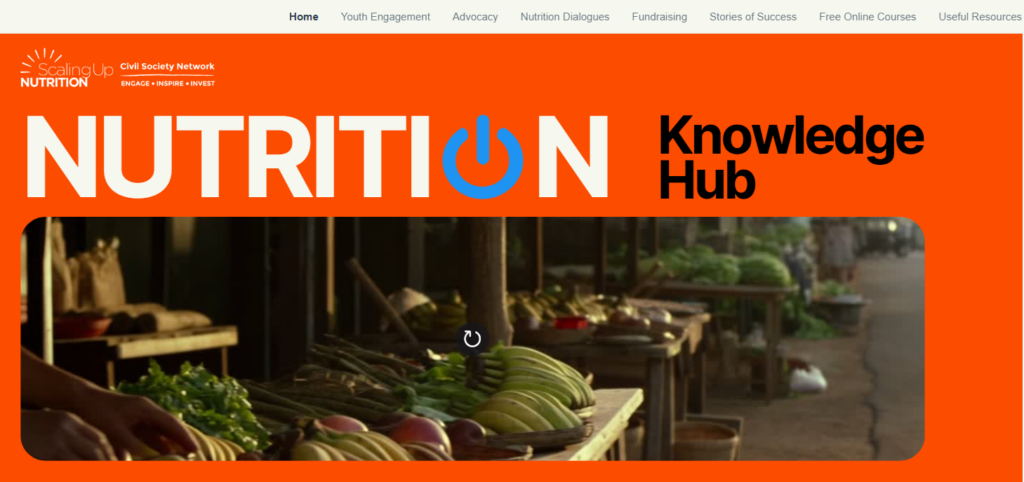
All the sessions delivered in the workshop are designed to be replicated in diverse contexts by all SUN CSN members. Following valuable feedback on each session, we are refining the materials and facilitation guides and will soon upload these to our NutritiON Knowledge Hub – a soon-launching online resource hub to support learning and engagement with our youth engagement model.
In their own words
After the workshop we asked the participants to share their own reflections either in writing or to camera. You can hear directly from them below:
Watch the reflections from Emmanuel Eni, Youth Coordinator, Nigeria
Watch this highlight reel from Karen Ibarra, CSA Coordinator, Costa Rica
Watch the reflections from Isaac Dare, CSA Representative, Nigeria
Read the reflections from Sony Pen, CSA Representative, Cambodia
«Attending the Global Onboarding Workshop in Lagos, Nigeria, was a profoundly energizing experience. When advocates from across the globe gather in one room, the exchange of ideas transcends borders. We arrived with diverse backgrounds, yet we were united by a shared commitment to building resilient, empowered communities.
Sony Pen, Director, FAEC (Cambodia SUN CSA Representative)
For me, the most impactful part of the workshop was the collaborative problem-solving. We spent our time dissecting global advocacy tools and discussing how to adapt them to real-world challenges. It is one thing to look at a framework on paper; it is entirely another to hear a colleague from halfway across the world share how they successfully implemented it to navigate local political landscapes and environmental shocks.
I returned to Cambodia with a renewed sense of purpose and a wealth of practical strategies. At the Facilitation Association of Economy for Cooperatives (FAEC Cambodia), we focus heavily on sustainable agriculture development and cooperative governance. The insights I gained in Lagos are already being put into action.
Right now, we are utilizing the community-informed advocacy strategies discussed at the workshop to roll out a Nutrition Policy Loop project in the remote, agricultural communes of the Samlot district. The lessons on mapping marginalized voices and structuring policy asks have directly shaped how we are addressing the complex intersections of climate vulnerability, household debt, and severe food insecurity among our smallholder farmers.
The workshop in Lagos reminded me that while our community challenges are deeply localized, our strength lies in a global support network. I am incredibly grateful for the collaboration, the new friendships, and the shared vision we built together»
Scaling up, together, across the SUN movement
The eight grants awarded in Lagos are one piece of a bigger plan. In SUN CSN 4.0, we’re working to scale this up so it can eventually be delivered by every SUN Civil Society Alliance, through our soon-launching NutritiON Knowledge Hub, small grants, peer learning and capacity-strengthening, and youth-led advocacy and governance at every level. All of it sits within the wider Youth Participation Framework for SUN 4.0, aligned with how the other SUN Networks are approaching youth participation too.
The Nutrition Dialogues Partnership
None of this happens without our Nutrition Dialogues partnership with the 4SD Foundation and World Vision International. In Lagos, Finian and his team of youth advocates ran a session on the methodology and portal, the tool that turns community conversations into evidence for policy recommendations.
Our Key Takeaways
- In-person peer learning still can’t be beaten but can and should be supplemented with online webinars and trainings.
- Complex learning about multistakeholder dynamics requires carefully facilitated and interactive activities, not only PowerPoint slides or hand-outs.
- Appreciating the relationship between power and the right to nutrition is crucial if young people and excluded communities are to meaningfully participate in the SUN Movement and its decision-making processes
- Co-facilitation is the key to reinforcing peer learning and engagement from a diverse, experienced cohort of learners.
What’s next?
Eight CSAs have since returned home with a small grant, an adaptable youth engagement model, and a shared understanding built together.
We hope to mobilise additional resources to replicate this workshop at the regional level, this time bringing SUN Government Focal Points into the room too, so alignment builds at the national Multi-Stakeholder Platform level as well as within civil society. And the road runs on towards the next N4G Summit and the post-2030 agenda, where we expect to hear these eight countries’ stories on the stage, the way we heard them in March 2025.
Beyond the workshop itself, we’ll be looking for change we can actually point to at the national level. That means national nutrition strategies and budget priorities that visibly reflect what communities raised through these dialogues.
It means young people and CSAs being recognised as an ongoing part of their SUN Multistakeholder Platform (SUN MSP), not tokenistic youth panels invited in for a single meeting.
And it means MSPs genuinely engaging with the community-informed recommendations they receive: reviewing them properly, responding to what’s been raised, and feeding them into national planning and monitoring cycles.
Once these are implemented, SUN CSAs and young people will be following-up with the communities to monitor the effectiveness of these policy interventions and share learnings and recommendations to further improve these ongoing policy interventions; thus closing the accountability loop at the local level.
We know all this won’t happen automatically, it will take hard work, and a collective will to do things differently and share power and access with those who have not always been included. But we know that everyone in the SUN Movement shares a commitment to inclusion and collaboration, so we’re on a strong footing to achieve our vision.
And the SUN CSN stands ready to support our friends and colleagues across the movement to meaningfully adopt and implement this shared framework for youth participation and community representation, so that we can truly and malnutrition for everyone, including those most marginalised.
Find out more
If this has inspired you, whether as a donor interested in helping us scale it up, a partner keen to deepen collaboration at country level, or simply someone who wants to see civil society and young leaders drive community-informed policymaking at every level, please get in touch with Sean Counihan, Senior Advocacy & Youth Advisor, SUN CSN Secretariat: [email protected].
